Short answer
Compare local and national vehicle biohazard cleanup providers on who will inspect and clean the vehicle, whether they work at the tow yard or their own facility, how they source seats and belts, how they coordinate with insurers and tow companies, and what documentation you receive. National networks may offer reach and fleet contracts, while local companies may offer faster direct contact. Crew experience with vehicles matters most.
Who cleans vehicles after a biohazard incident
Several types of businesses handle vehicle biohazard work. Independent local crime scene and trauma cleanup companies often clean cars, trucks, and vans as part of their services. National brands, including franchise systems and corporate-owned restoration companies, offer vehicle cleanup through local branches. Some national call centers and referral networks take calls and dispatch local subcontractors.
Auto detailers and body shops sometimes advertise biohazard cleaning as well. Some have trained staff and proper equipment for blood and bodily fluids, while others are set up only for routine cosmetic detailing. That distinction matters more than whether the business is local or national.
Referral networks deserve a closer look. A website with a national phone number may not employ any technicians at all. It may collect your details and sell or pass the job to a local company, sometimes adding a fee. That arrangement is not always bad, but you should know who is actually coming and whether the price reflects an extra layer.
Vehicle work also has its own logistics: tow yards, impound lots, release holds, parts orders, and auto insurers. A provider's comfort with those steps can shape your experience as much as their cleaning skill.
What local providers tend to offer
Local providers often answer the phone themselves and can give you a direct contact for the whole job. They may know the local tow yards, impound lots, and medical examiner's office procedures, which can smooth the release and pickup process.
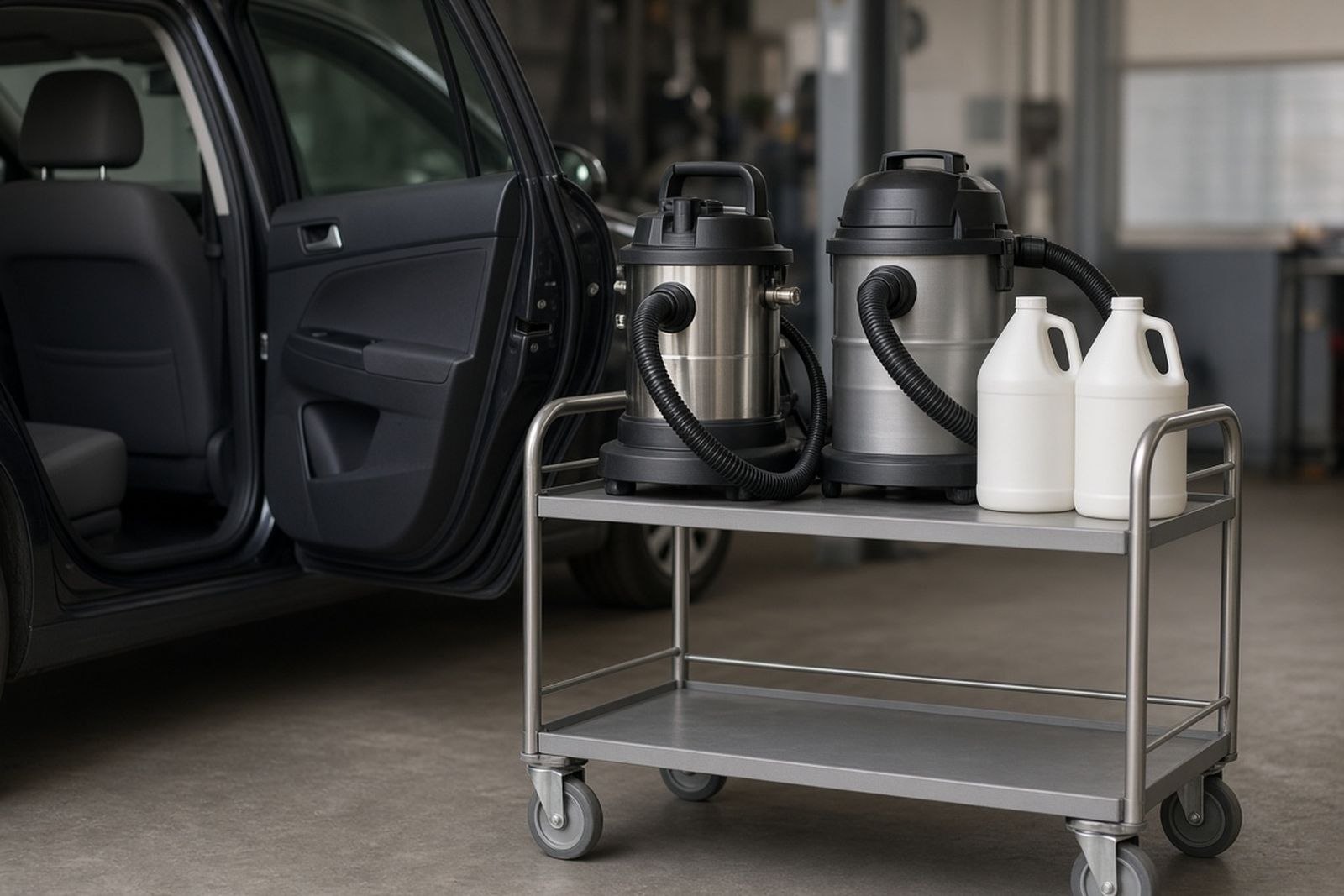
Many local companies can come to the vehicle wherever it sits, whether that is a driveway, a tow yard, or a workplace parking lot, when the setting allows safe and private work. Others will tow the vehicle to their own shop for a controlled environment.
Local shops may have relationships with nearby parts suppliers, dealerships, and upholstery shops, which can help with sourcing seats, carpet, and trim. Their limitations can include smaller crews, less capacity for large vehicles such as buses, and varying levels of documentation.
Speed of first contact is often a local strength. When a vehicle is sitting in a driveway in summer heat, being able to reach someone who can look at photos that evening and give a clear next step can reduce stress and limit odor spread, even if the full cleanup waits for a release or an adjuster.
What national providers tend to offer
National providers often have standardized procedures, training programs, and documentation formats. That consistency appeals to fleet operators, rental companies, transit agencies, and insurers who handle vehicles in many locations.
They may hold master service agreements with large fleets and be set up to invoice insurers directly. For a company with vehicles in several states, one provider relationship can simplify response and paperwork.
Capacity is another advantage. A national company may be able to send more technicians or handle several vehicles at once after a multi-vehicle incident.
The tradeoffs can include a call center between you and the crew, less flexibility on scheduling, and the possibility that the local crew is a subcontractor you did not choose. Ask before you commit.
Who will actually clean my vehicle?
Ask every provider whether the people who inspect and clean your vehicle are their own employees or subcontractors. If subcontractors, ask for the name of the company and look it up. You have a right to know who will handle your vehicle and your belongings.
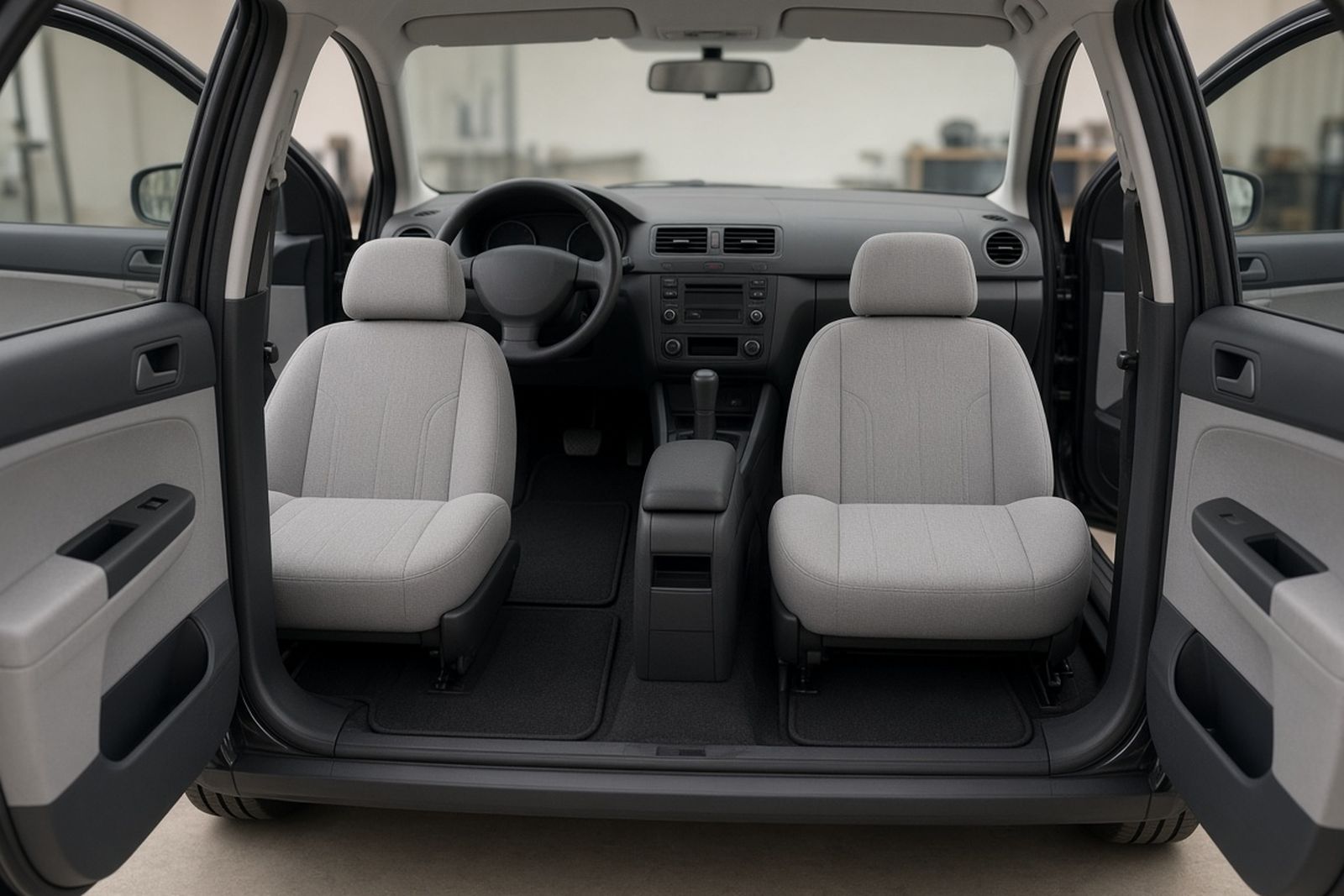
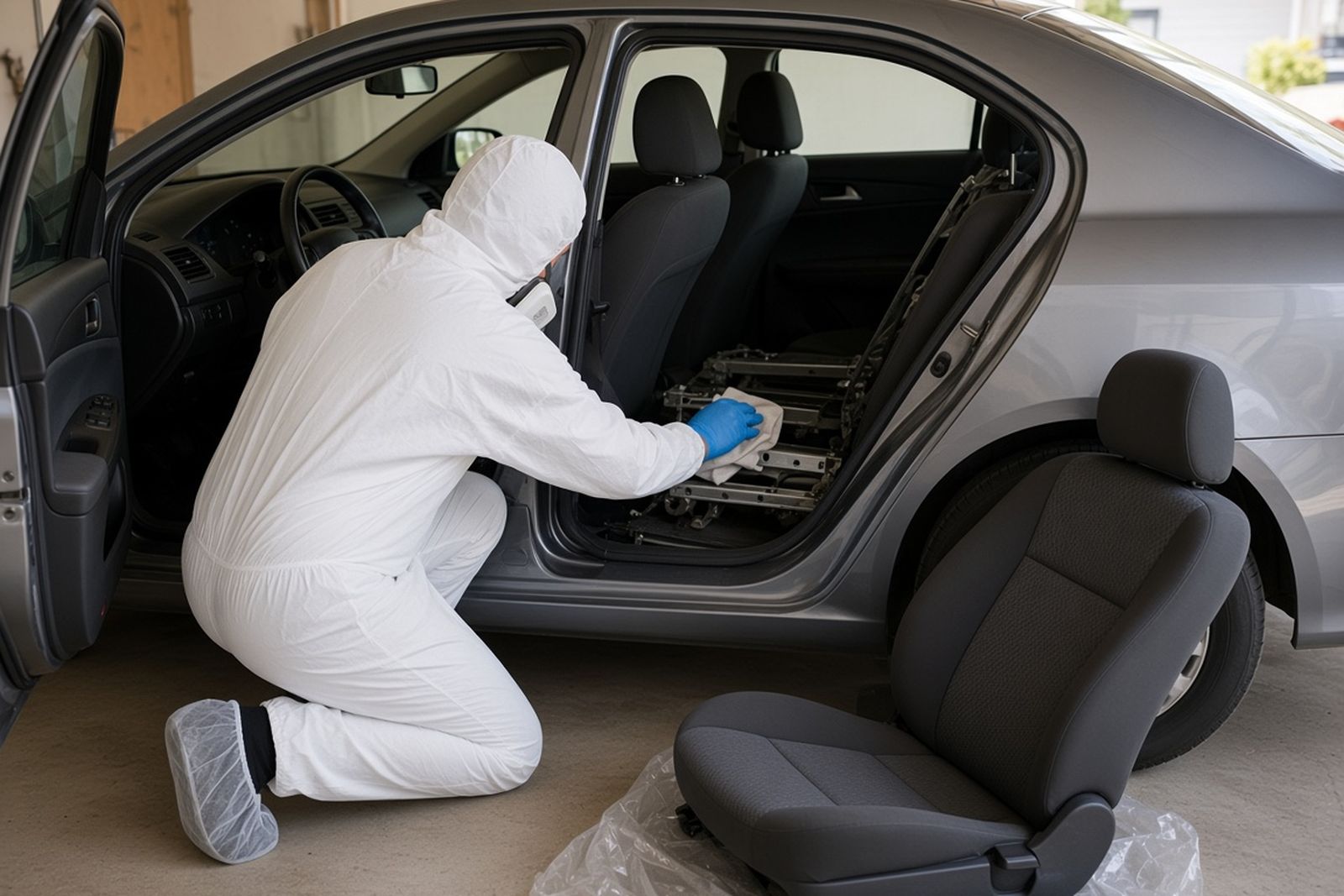
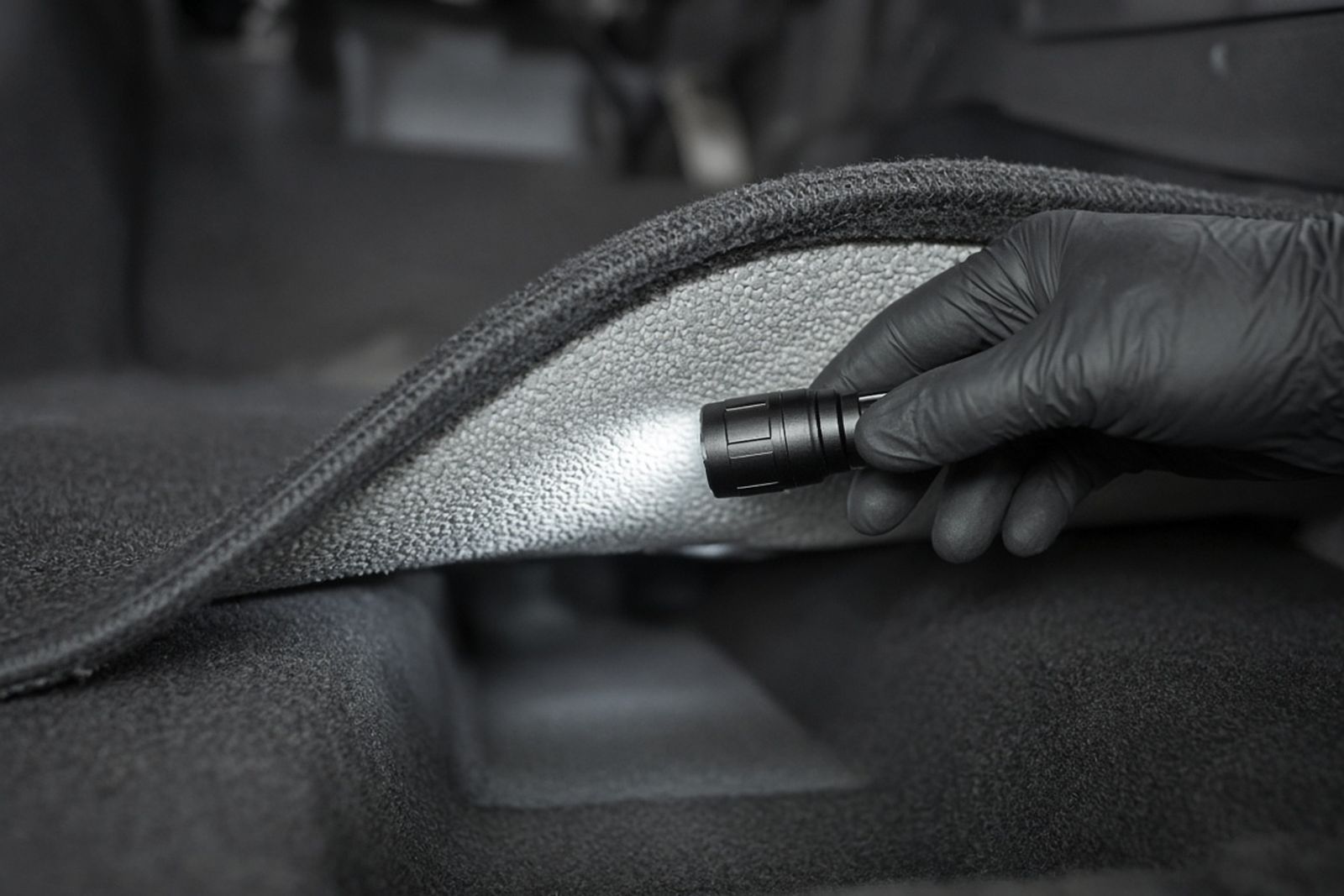
Ask about the crew's vehicle experience specifically. Removing seats with airbags and occupancy sensors, lifting molded carpet without damaging wiring, and reinstalling seat belts correctly take skill that general cleanup work does not require.
Ask about training for bloodborne pathogens. Employers whose workers handle blood carry written-plan and training duties, and a provider of any size should be able to describe how it meets them.
- Are technicians employees or subcontractors?
- How much vehicle-specific experience does the crew have?
- Who handles airbag, sensor, and belt components?
- How is bloodborne pathogen training handled?
Where the work takes place
Location affects privacy, safety, and quality. A covered bay with good lighting, a sealed floor, and space to remove seats gives technicians the best conditions. Working in a tow yard or a driveway may be possible for smaller jobs but can limit what can be done and expose the work to public view.
Ask whether the provider will clean the vehicle where it sits or transport it to their facility. If they transport it, ask who arranges the tow, how the vehicle is secured, and whether storage fees at the current location will stop once it is moved.
For fleet operators, on-site service at a depot can reduce downtime. Ask whether the provider can bring the equipment and containment needed to work safely at your location.
Privacy deserves a direct question. Ask whether the provider's vehicles and uniforms are marked, whether work in a residential driveway can be screened from view, and whether they will avoid discussing the incident with neighbors or tow yard staff beyond what is needed.
Parts sourcing and insurance coordination
Replacement parts often drive the timeline. Ask how each provider sources seats, seat foam, carpet sets, headliners, and belts. Some national companies have supplier agreements that speed ordering. Some local companies have strong ties to nearby dealerships or salvage yards.
Insurance coordination is equally important. Ask whether the provider works with auto insurers regularly, whether they will provide photos and a written scope for the adjuster, and whether they wait for approval before removing components the adjuster may want to see. No provider can promise what your insurer will cover.
Ask how parts and labor will appear on the invoice. Clear line items make it easier for an adjuster, a fleet manager, or an estate executor to understand the charges.
Documentation to expect
At minimum, expect before and after photos, a written scope, an itemized invoice, and a completion statement. For vehicles, the record should include the vehicle identification number, a list of removed and replaced components, the disinfectant used, and how waste was handled.
Fleet operators may need records in a format that fits their maintenance systems. Rideshare and delivery drivers may need documentation for their platform. Families may need a summary for an insurer or a buyer without graphic details.
Ask each provider for a sample report. The difference in quality between companies is often obvious once you see one.
Keep your copy of the report with the vehicle's title and service records. If you sell the vehicle later, a factual summary of the work and the replaced parts can answer questions from a buyer or a dealer appraiser.
One fleet, two providers: an illustration
The fleet story below is invented to illustrate how the two models can work together. A regional plumbing company has thirty service vans in two states. One of its technicians suffers a serious hand injury on a job and drives himself to urgent care, leaving blood on the driver's seat, steering wheel, shifter, and door.
The company's fleet manager already has an agreement with a national provider for vehicle incidents. She calls the national line, which dispatches a local partner company. The partner arrives at the branch lot the next morning, inspects the van, and finds blood on the seat surface but no penetration into the foam. The seat, wheel, shifter, and door are cleaned and disinfected on site, and the van returns to service that afternoon.
A few months later, a van in a smaller town is involved in a crash in which the driver is injured more seriously. The national network has no partner nearby, so the fleet manager hires a local independent provider recommended by the tow yard. That company tows the van to its shop, replaces the driver's seat and carpet, and sends the fleet manager a report in the same format she uses for the national provider after she shares a template.
Both approaches worked. The fleet manager keeps both relationships because each fills a gap the other cannot.
Deciding which is right for you
If you are a family or individual with one vehicle, focus on responsiveness, compassion, privacy, vehicle experience, and clear communication with your insurer. A local provider may feel more personal, but a well-run national branch can offer the same care.
If you manage a fleet, weigh consistency, capacity, documentation, and geographic reach, and consider keeping a local backup for areas a national network does not cover well.
In every case, check reviews for the specific location that will do the work, confirm insurance coverage, and ask about waste disposal. Seats, carpet, and materials containing blood or other potentially infectious materials may be regulated waste, so ask each provider where they will go and what record you will receive. If the incident involved a suicide or another painful loss, support is available through the 988 Suicide and Crisis Lifeline by call or text.