Short answer
Ask ten things before you hire. Is the vehicle released? How will you find where the fluid went? What gets replaced and what gets cleaned? How do you handle seats with airbags? Which disinfectants do you use? Where does the waste go? What training does the crew have? How long will it take? What paperwork do I get? What happens if the smell comes back?
A cleanup company is not a detailer
A detailer makes a car look and smell good. A biohazard cleanup company does a different job. It removes blood or other body fluids that may be hidden in seat foam, carpet backing, seat tracks and vents. Then it gets rid of that material safely. The two jobs can look alike from the outside, and some businesses offer both.
The questions below help you find out which service you are really being offered. They follow the job in order, from your first phone call to the day you get the car back. You do not have to ask every one. The answers to the first four usually tell you whether a company is right for the job.
If you are doing this after losing someone close to you, it is fine to ask a friend or family member to make these calls. A good company will speak with whoever you choose.
Keep a simple note for each company you call. Write down its name, the person you spoke with, and a line or two on each answer. Comparing notes is much easier than comparing memories.
Questions one and two: release and inspection
Question one: Will you confirm the vehicle has been released before you start? If police, a medical examiner or a coroner were involved, they may hold the vehicle until they are done with it. A careful company asks about this on the first call. Then it waits until the release is confirmed.
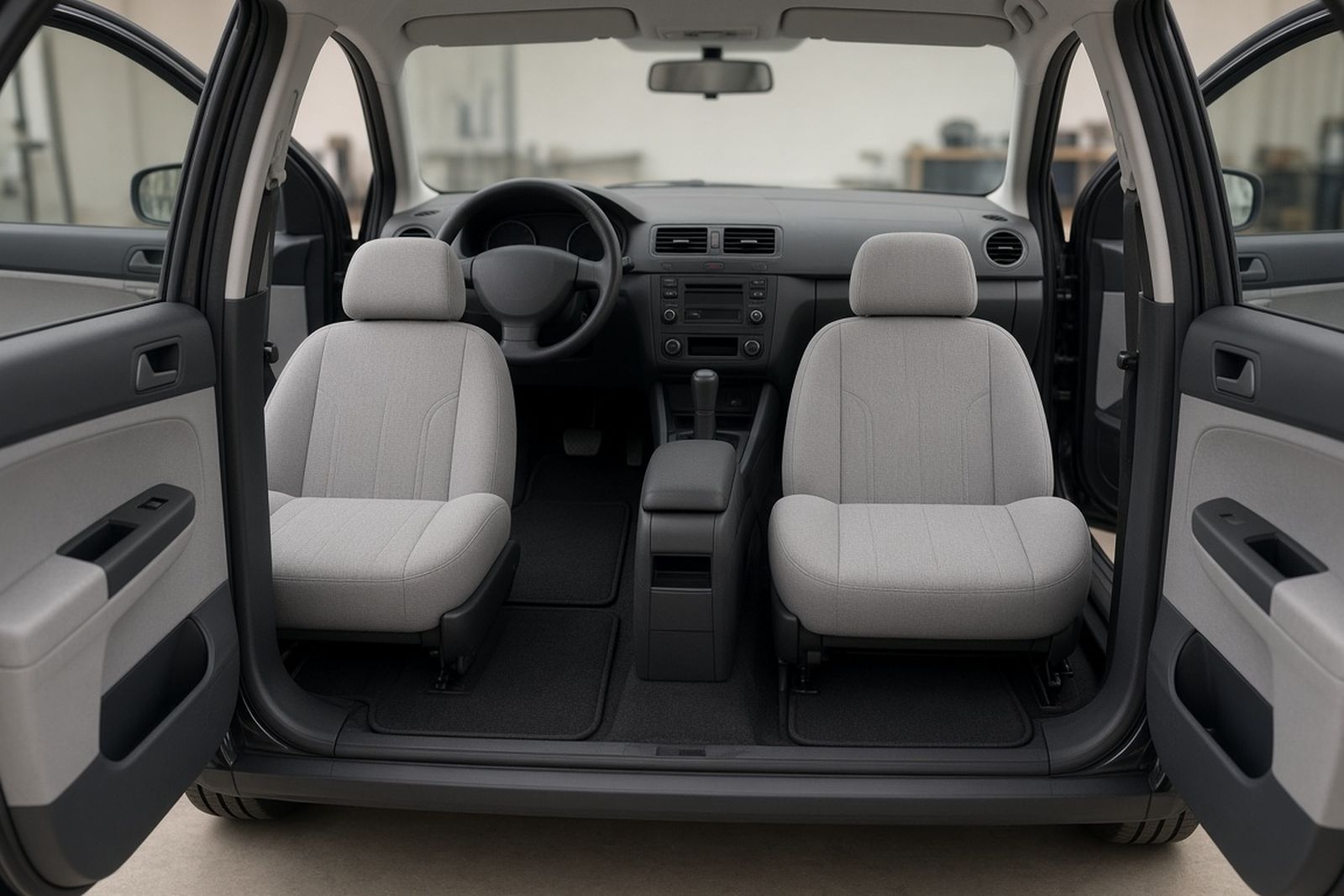
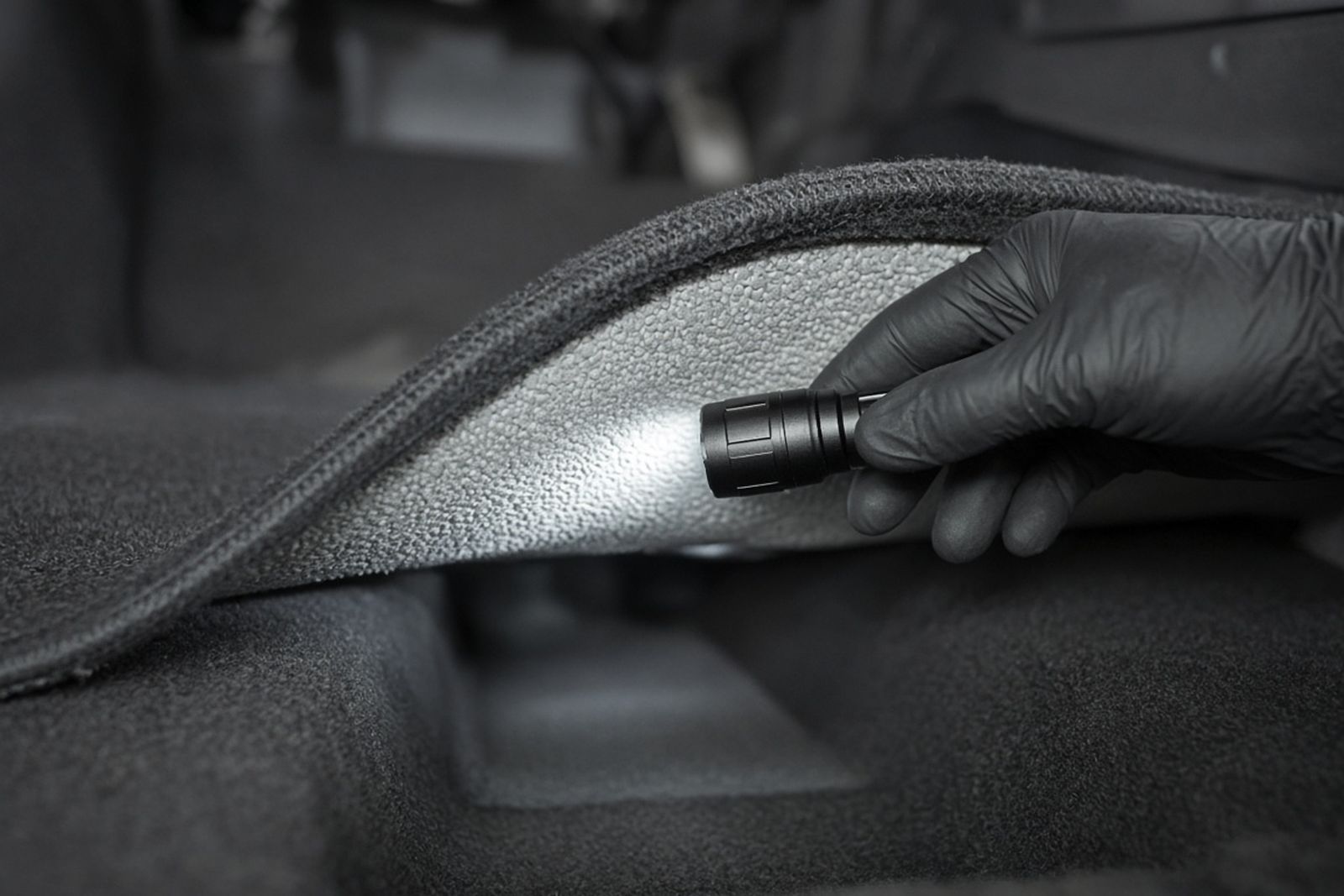
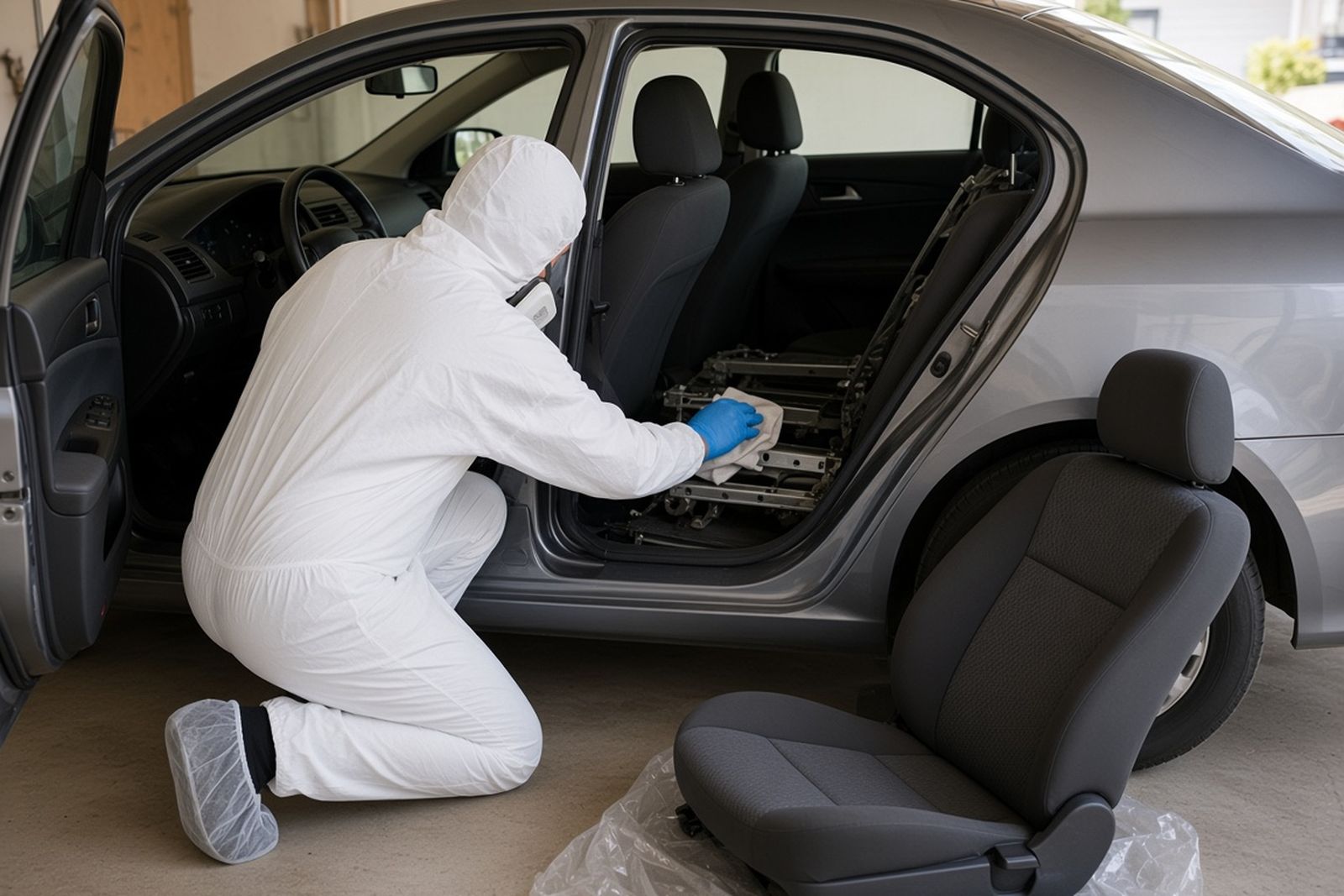
Question two: How will you find out how far the fluid went? A good answer talks about removing or tilting seats and pulling back carpet. It also covers the seat tracks, the belts, the metal floor, the vents and the cabin air filter. Fluid travels in ways that are hard to see from the driver's door.
Germs can also be present where you see nothing at all. In a 2026 study, Schaps and colleagues found that 60% of ambulances labelled service-ready had at least one targeted pathogen. Your car is not an ambulance, but the finding is a useful reminder. A surface that looks clean is not proof that it is clean.
Questions three and four: replacement, airbags, and electronics
Question three: Which parts will you replace, which will you clean, and why? Soft, absorbent parts that soaked up fluid are often replaced, because no one can prove they are clean. That means seat foam, cloth covers, carpet and padding. Hard plastic and metal are usually cleaned and disinfected in place. Ask the company to explain its reason for each part.
Ask about seat belts by name. The belt fabric is absorbent, and the belt is also safety equipment. So when a belt is affected, many companies advise replacing it rather than cleaning it.
Question four: How do you handle seats with airbags, sensors or heaters? Many newer seats hold side airbags, wiring and sensors that tell the car someone is sitting there. If a seat is taken out and put back the wrong way, you may get warning lights. Worse, the safety systems may not work as they should. Ask whether the company has worked on your make and model. Ask whether it checks for warning lights once the seats are back in.
Questions five and six: products and waste
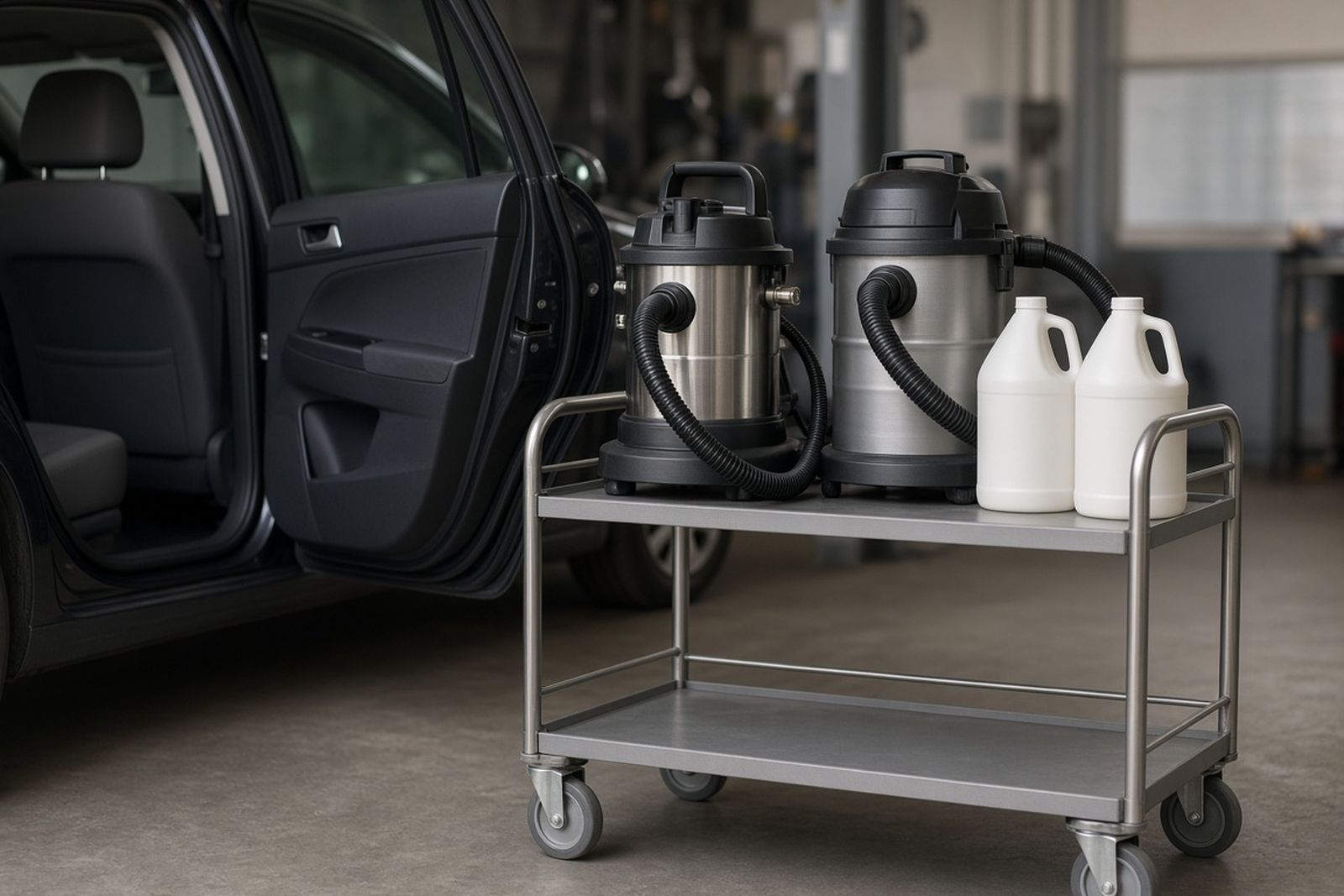
Question five: What disinfectants will you use, and are they safe for my vehicle? The products should be registered for the germs of concern. The crew should use them the way the label says, including how long the surface must stay wet. They should also be safe for car materials like dashboards, screens and leather.
Question six: How will you get rid of the soiled parts and materials? Removed foam, carpet and belts should be packed and handled as regulated waste where the rules require it. Then they go to a licensed waste hauler. Ask whether you will get a copy of the waste paperwork.
Be careful if a company wants to put soaked materials in a dumpster, or tells you to take them home. That is a sign it may not be following the rules. Your state's environmental or health agency sets the medical waste rules. A real cleanup company should be able to tell you which ones it follows.
You can also ask how the company protects the clean parts of your vehicle while it works. A good crew covers clean seats, masks the screens and seals off the cargo area. That keeps the job from growing larger than it needs to be.
Question seven: who does the work?
Question seven: What training do your technicians have? Anyone who handles blood and other body fluids that can carry disease should have current bloodborne pathogens training. That is the least you should accept. Employers are expected to refresh that training on a regular basis. It is fair to ask when the crew was last trained.
Ask whether the company carries general liability insurance, and whether it will send you a certificate. Your vehicle is valuable property. If it is damaged while seats are removed or while it is towed, that should be the company's problem, not yours.
Question eight: how long, and where?
Question eight: How long will I be without the vehicle? Ask for a timeline that covers each step. Those steps are inspection, ordering parts, cleaning, putting the car back together, and any odor treatment. Parts for older or less common vehicles can take time to arrive. That wait often shapes the schedule more than the labor does.
Ask where the work happens. It may be done where your car sits now or at the company's shop. Ask whether towing or storage is included. If the vehicle belongs to a fleet, ask whether the company can put a fast return to service first.
Questions nine and ten: handback and follow-up
Question nine: What paperwork and photos come back with the vehicle? Expect before and after photos and the waste records. Expect a written work plan, too, and an invoice that lists parts, labor and disposal on separate lines. That package helps with insurance claims and resale. It also helps your own peace of mind.
Question ten: What happens if the smell returns or a warning light comes on? Some problems only show up after the car sits in the sun or after a few days of driving. Ask whether the company offers a follow-up visit within a set period, and how it handles those late problems.
Also ask whether someone will walk you through the vehicle when you pick it up. Seeing what was replaced, and asking questions in person, often matters more than any written guarantee.
- Photos from the inspection, during removal, and after the car is put back together
- A written work plan that lists each part and what was done to it
- An invoice that separates parts, labor, disposal and odor treatment
- Waste paperwork from the licensed hauler or treatment facility
- Any warranty or follow-up terms, in writing
What a strong answer sounds like
You can hear the difference between a weak answer and a strong one when you put them side by side. Say a bench seat is soiled. A weak answer is a same-day wipe-down and fogging, priced over the phone. A strong answer starts by asking whether the vehicle has been released, and then asks you for photos. The company explains that the crew will remove the seat cushion to check the foam. They will lift the flooring where fluid may have entered a seam. They will also disinfect hard-to-reach hardware, such as seat tracks or wheelchair tie-downs.
A strong company also answers the training and waste questions without a pause. It commits to a follow-up inspection. And it offers a set of paperwork that works as a complete record. A fleet risk manager, an insurer or a future buyer should be able to rely on it.
Red flags that should send you elsewhere
Some answers should make you stop and think. This job involves both health and safety. A company that avoids details, or pushes you to decide fast, may not be the right fit for it.
One red flag does not always mean a company is dishonest. It does mean you should ask a follow-up question and listen closely to the answer.
- A firm price given without an inspection or detailed photos
- Plans to shampoo or steam clean soaked seats instead of checking the foam
- No clear answer about where the waste goes
- No experience with airbag seats, or no wish to talk about them
- Promises that insurance will pay for everything
- Pressure to sign or pay in full before you have a written work plan
Before you sign
Compare what your vehicle is worth with the written quote. If the cleanup costs close to what the vehicle is worth, talk with your auto insurer. Ask whether the claim might be settled as a total loss instead.
If the incident involved a suicide, a good company will handle it quietly and will not ask for more detail than it needs. If you or someone you know is struggling, the 988 Suicide and Crisis Lifeline is there. You can call or text at any hour.
Last, give yourself permission to take a day to decide, unless the situation is truly urgent. A thoughtful company will understand, and it will still be there tomorrow.