Short answer
Compare vehicle biohazard cleanup bids by checking whether each one removes contaminated foam, carpet, and padding or only cleans the surface, how hidden areas like seat tracks and vents are handled, who supplies and installs replacement parts, how sharps and waste are disposed of, and what documentation you receive. Include storage fees and timing. A cheaper surface-only job can leave contamination and odor behind.
Why vehicle biohazard bids range so far apart
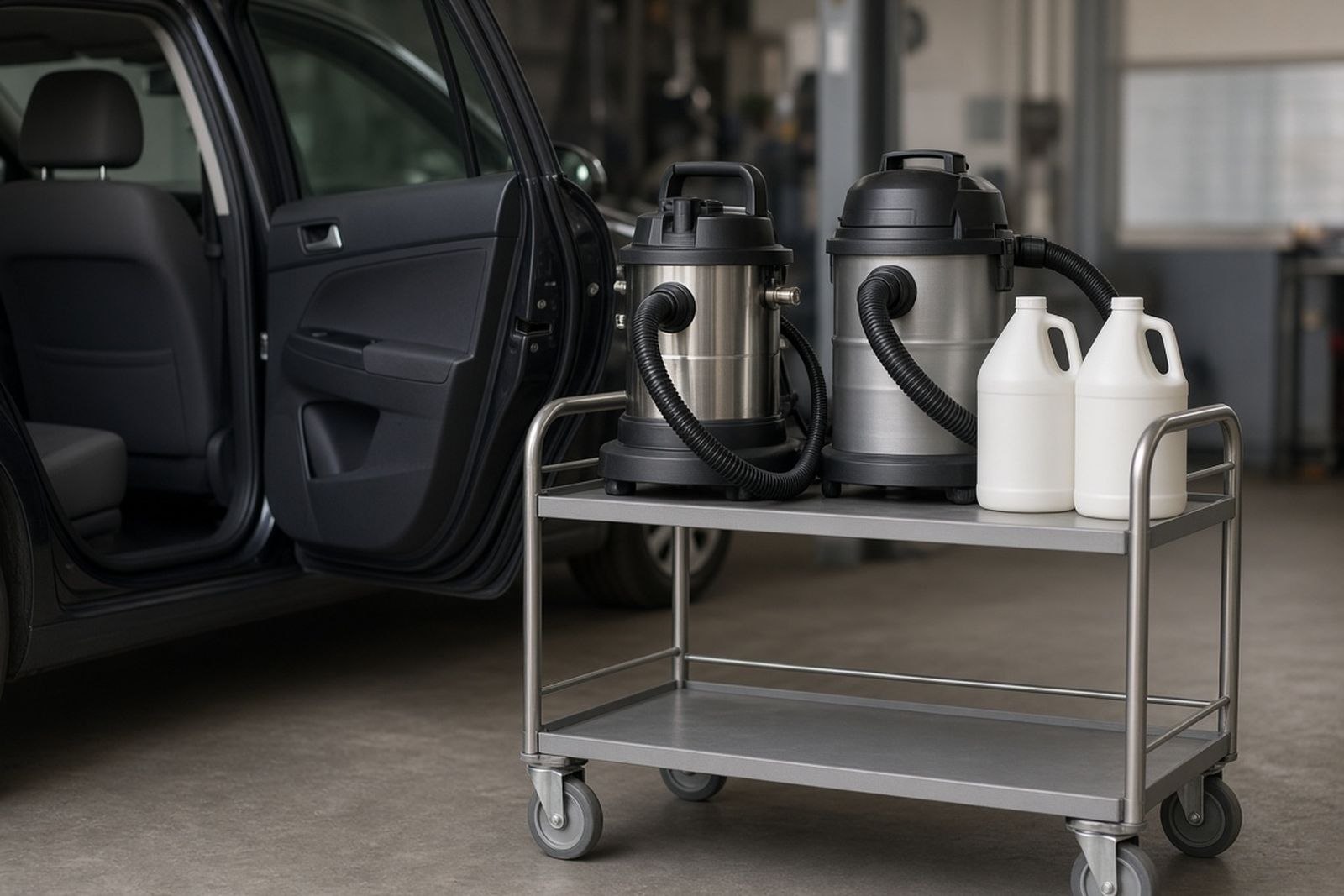
When a car, truck, or van needs cleaning after blood, vomit, or other body fluids, you may get quotes from very different kinds of businesses. An auto detailer may offer a deep interior clean. A body shop may suggest replacing parts. A biohazard remediation company may propose removing and disposing of contaminated materials, disinfecting the cabin, and treating odor.
Each is pricing a different job. Detail shops are skilled at making interiors look and smell good, but most are not set up to handle bloodborne pathogen hazards, regulated waste, or hidden sharps. Biohazard companies are trained for that work but may not do cosmetic repairs. Body shops can replace parts but may not want to handle contaminated components.
The extent of contamination adds another layer. A small spot on a vinyl seat is a very different job from fluids that soaked into seat foam and carpet padding. Before you compare prices, make sure each company inspected the vehicle in person and described the same contaminated areas.
If the vehicle belonged to someone who was hurt or who died, the process can feel especially heavy. It is fine to ask a friend or family member to gather bids and ask questions for you, and a good provider will be patient with that arrangement.
How vehicle cleanup jobs are typically priced
Some providers quote a flat price per vehicle based on size and extent of contamination. Others bill hourly plus materials, disposal, and any parts. Mobile service may carry a travel charge, while shop-based work may require towing.
Published cost guides offer only rough context, because they cover biohazard work generally rather than vehicles specifically. Fixr's 2025 biohazard cost guide reports that crime scene and after-death cleanup is priced at roughly $400 to $600 per hour, while unattended-death cleanup runs $200 to $300 per hour. Vehicle jobs are often shorter than building jobs, but hourly rates for trained crews can fall in similar territory.
Ask each provider to state its pricing model clearly and to estimate the total, including disposal and any materials it expects to remove. A flat price with a clear scope is easier to compare than an hourly quote with no time estimate.
Watch for charges that appear only on the invoice. Waste disposal, sharps containers, odor treatment, after-hours service, and travel outside a set radius are common add-ons. A bid that lists these up front, even if they raise the total, gives you a truer picture than one that leaves them for later.
What the scope should cover, including parts
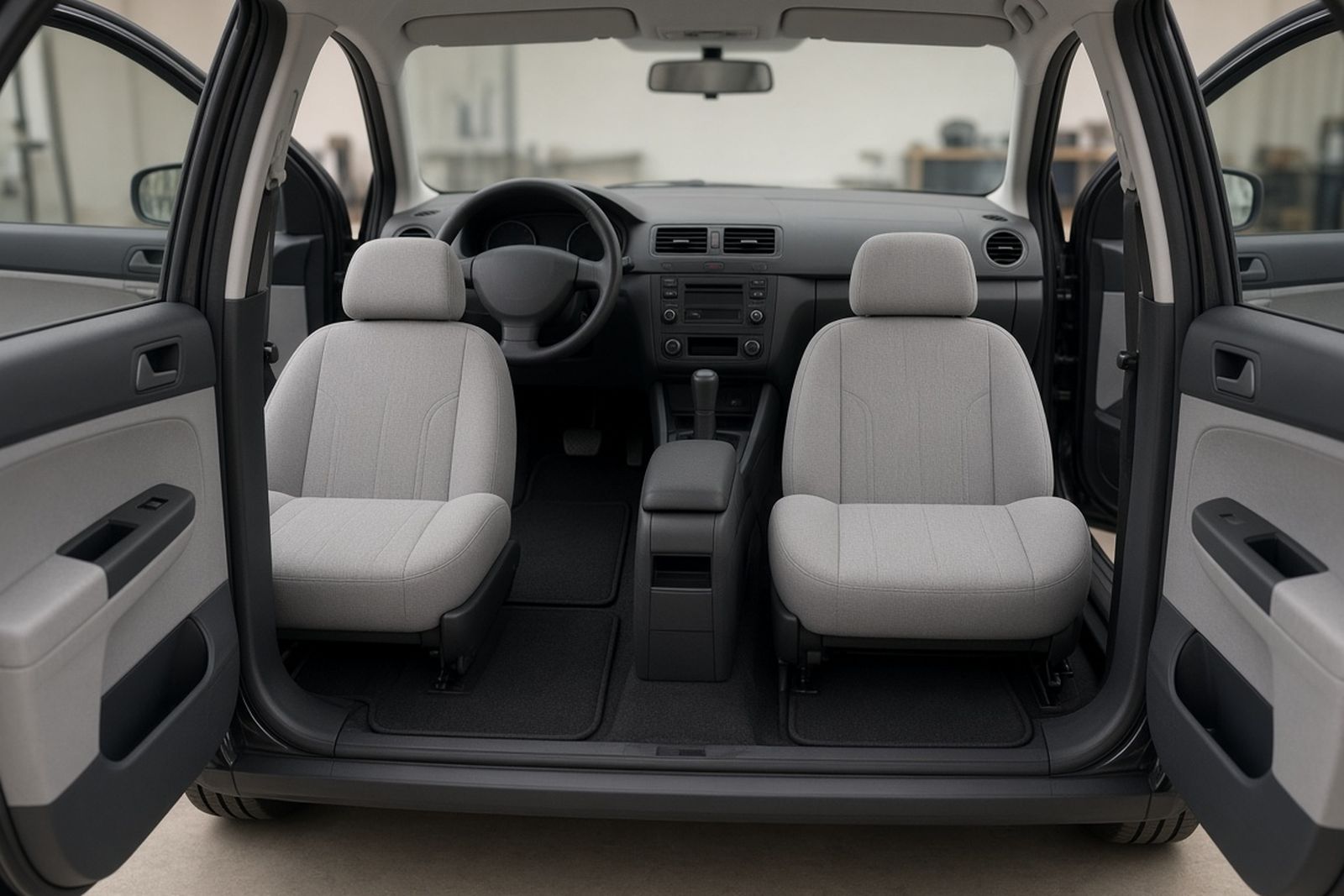
Vehicle interiors hide contamination in places a quick clean will not reach. A detailed scope names each area and says whether it will be cleaned, removed, or replaced.
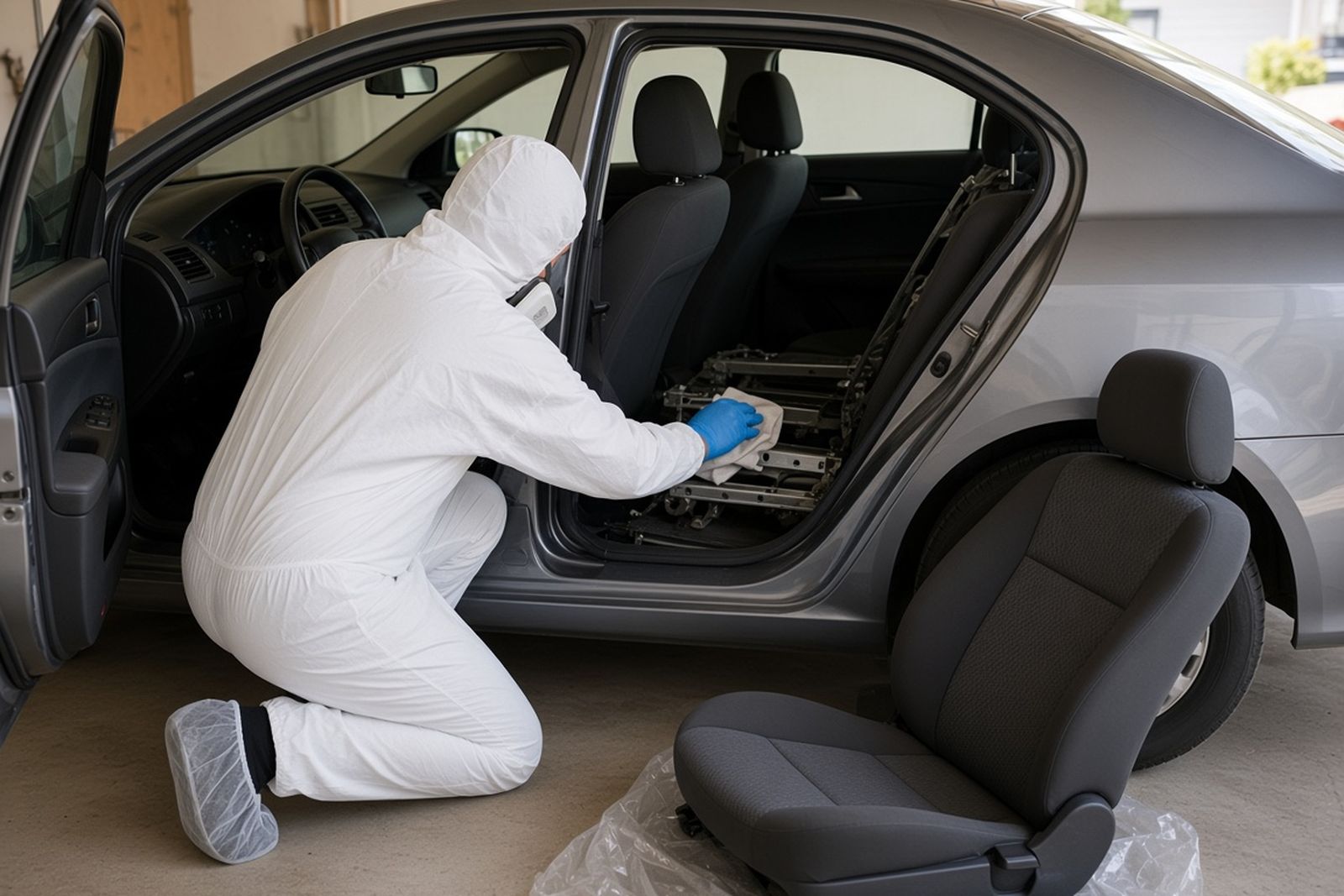
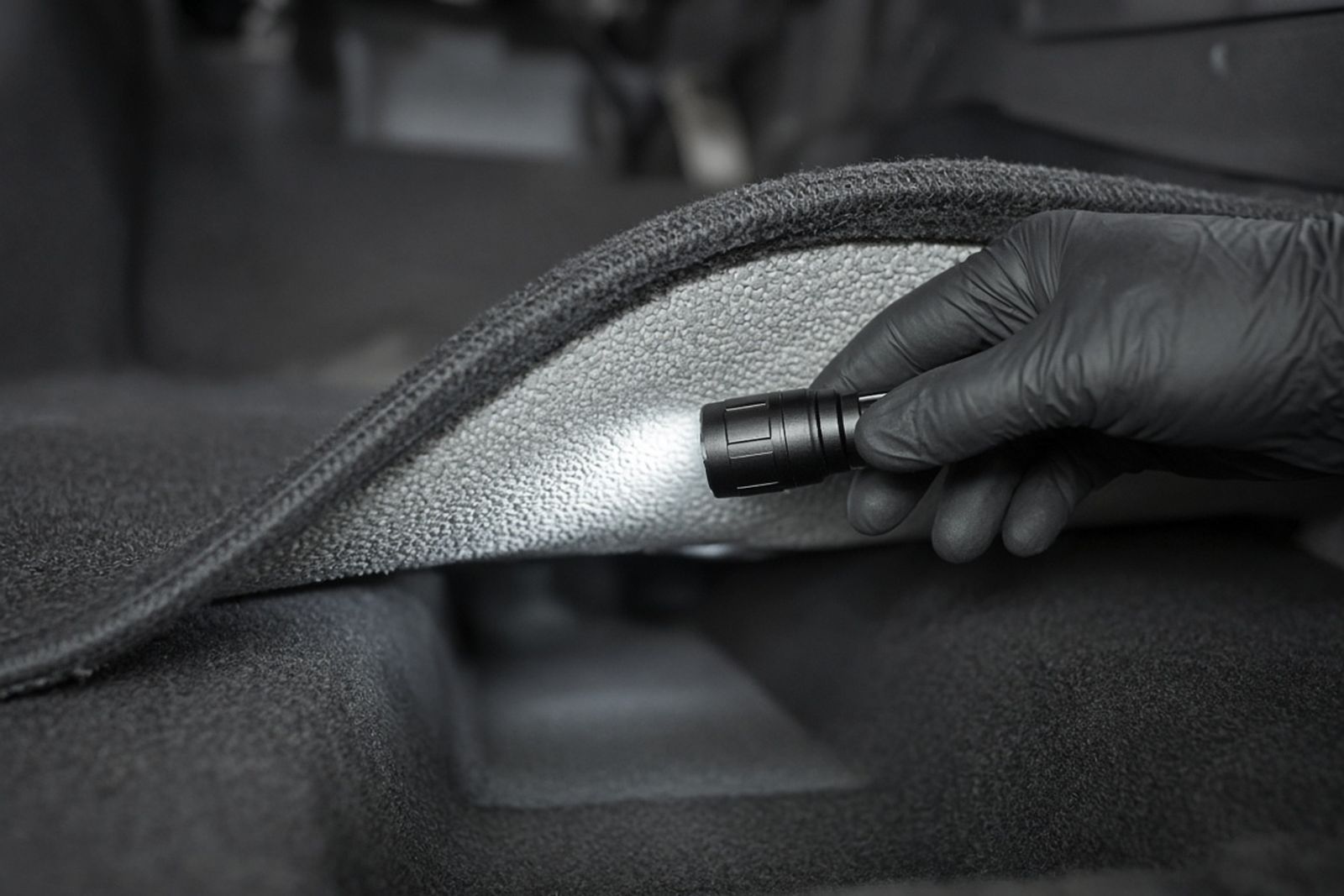
If a bid does not mention seat foam, carpet padding, or seat tracks for a job involving significant fluids, ask why. Those are the areas where contamination and odor most often persist.
When seat foam, carpet, or seatbelts must be removed, someone has to replace them. Some biohazard companies coordinate with a mechanic or upholstery shop and include parts in the bid. Others remove contaminated materials and leave replacement to you or your body shop.
This is one of the biggest sources of confusion when comparing bids. A lower quote that covers removal only may look cheaper than one that includes new carpet and reinstallation, even though you will pay for the parts either way.
Seatbelts, seat-mounted airbags, and occupancy sensors should be handled by someone qualified to work on them. Ask each provider whether it will remove and reinstall these components, and if so, who does that work. Safety systems that are disconnected or reinstalled incorrectly can create problems well beyond cleanliness.
- Seat covers, foam cushions, and seat backs
- Carpet and the padding or insulation underneath
- Seat tracks, rails, and mounting hardware
- Seatbelts and retractors
- Headliner and pillar trim
- Center console, door pockets, and cup holders
- Air vents, cabin air filter, and HVAC intake
- Trunk or cargo area liners
- Search and removal of hidden sharps
Why a surface-only quote can leave contamination behind
Porous materials trap fluids below the surface. A seat can look spotless after extraction and shampooing while contamination remains in the foam underneath. Warmth and humidity inside a closed car can bring odor back within days.
A thorough provider will explain how it confirms its work. Some use ATP testing, which measures organic residue on surfaces, before and after cleaning. Others rely on visual inspection and odor checks. Ask what each bidder does and what you will receive as proof.
Odor is a useful warning sign. If a car smells clean for a few days and then the smell returns once the sun heats the cabin, contamination is likely still present below the surface. At that point you are paying for a second job, and the second provider may have to remove materials the first one only cleaned.
Storage, timing, and insurance: costs outside the bid
After a crash or incident, a vehicle may sit in a tow yard or impound lot that charges storage fees for each day. A cheaper provider who cannot start for a week may end up costing more once storage is added.
Timing matters for odor too. Fluids left in a closed car for days soak deeper and produce stronger smells, which can turn a cleaning job into a removal job. Ask each bidder when it can start and how long the work will take.
For older or lower-value vehicles, the total cost of cleaning and replacement parts may approach or exceed the vehicle's value. If insurance is involved, the insurer may decide whether to repair or declare the vehicle a total loss. Getting detailed bids early helps that decision happen faster.
Auto policies differ in whether and how they cover biohazard cleanup. Depending on the cause and your coverage, the cost may fall under a collision or comprehensive claim, or it may not be covered at all. Contact your insurer before work begins, and ask whether they need to inspect the vehicle or approve a provider.
A detailed bid with photos makes that conversation easier. Adjusters are more likely to understand the cost when the scope lists each contaminated area, what will be removed, and why.
Ask each provider whether it has worked with insurers before and whether it can bill the insurer directly. Some companies are comfortable with that process, while others expect payment from you and leave reimbursement to your claim. Neither is wrong, but you should know which to expect before the work starts.
Two bids on one van, side by side
Bids for the same job can look nothing alike. Take a cargo van with blood on the driver's seat, the steering wheel, the door panel, and the floor mat, with some drips soaking into the carpet after a driver's hand injury.
A detail shop may offer a low flat price for a deep interior clean with steam and deodorizer, finished in a few hours. A biohazard remediation company may quote a higher price that includes removing the seat cover and foam, cutting out the stained section of carpet and padding, disinfecting all surfaces with a registered product, bagging the removed materials as regulated waste, and coordinating replacement parts with a mechanic.
The follow-up questions usually settle it. If the answer to how blood in seat foam will be handled is that steam will take care of it, and the shop has no bloodborne pathogen program for its staff, the low bid is pricing a different and incomplete job. The higher bid may keep the van out of service a day longer, but it replaces what was contaminated, produces documentation, and keeps untrained workers away from blood.
Use the same list of questions for every provider, and write down each answer. Differences in scope usually explain differences in price.
Ask about training and waste handling as well, since those affect both safety and liability.
- Areas cleaned, removed, or replaced
- Parts included or left to you
- Handling of seatbelts, airbags, and sensors
- Sharps search and waste disposal
- How the work will be verified
- Start date, duration, and storage fees in the meantime
- Documentation and photos provided for insurance