Free vehicular biohazard cleanup tool
Vehicular Biohazard Cleanup Provider Vetting Checklist
Fifteen questions to ask any remediation provider, a readiness score, and a copyable list of what is still unanswered.
Companies that offer to clean a soiled vehicle range from trained biohazard cleanup firms to mobile detailers who saw a chance to earn. Both will say they can make the car clean. The difference shows in how they answer specific questions about foam, belts, airbags, cabin air systems, waste, and records. This checklist gives you fifteen questions to ask. You tick each one the provider clearly confirms. The tool then gives you a readiness score and a list of open questions you can copy. You can send it in one message or bring it to the next company. None of the questions need car expertise. They only need the provider to explain, in plain words, what they will do to your vehicle and why.
Focus on four sets of questions. Do they inspect before quoting? How do they protect safety systems when removing seats? Where does removed foam and soft material go? What final records will you get? A serious provider will describe how they map the mess before pricing. They will explain how they work around airbag and seat belt parts, or send that work to a qualified shop. They will name the licensed hauler and the papers you get. And they will give you a photo record that works for an adjuster or a fleet file. Also ask how long the vehicle will be off the road. The network does not certify providers and cannot check any claim for you. This list is how you check it yourself.
How to use it
- 1Read the fifteen questions before you make your first call so you know what a good answer sounds like.
- 2Tick each question the provider answers clearly during the call or visit. Note where they promised to confirm something in writing.
- 3Check the readiness score. A low score after a short call means keep asking. It does not always mean walk away.
- 4Copy the open questions and send them to the provider. Or use them to compare a second company on equal terms.
Prefer to ask a person?
Your request is sent to the follow-up inbox. A coordinator can reply by email. Not for emergencies; call 911 first if anyone is in danger.
Vet a provider before you sign
Vehicular Biohazard Cleanup provider vetting checklist
Start with the questions specific to this kind of job. Tick each one once the provider has answered it in writing or shown you the document. Your progress stays on this device only.
Readiness: 0 of 21 confirmed (0%)
21 questions still need a written answer. Copy the list and send it to the provider before you sign anything.
A worked example
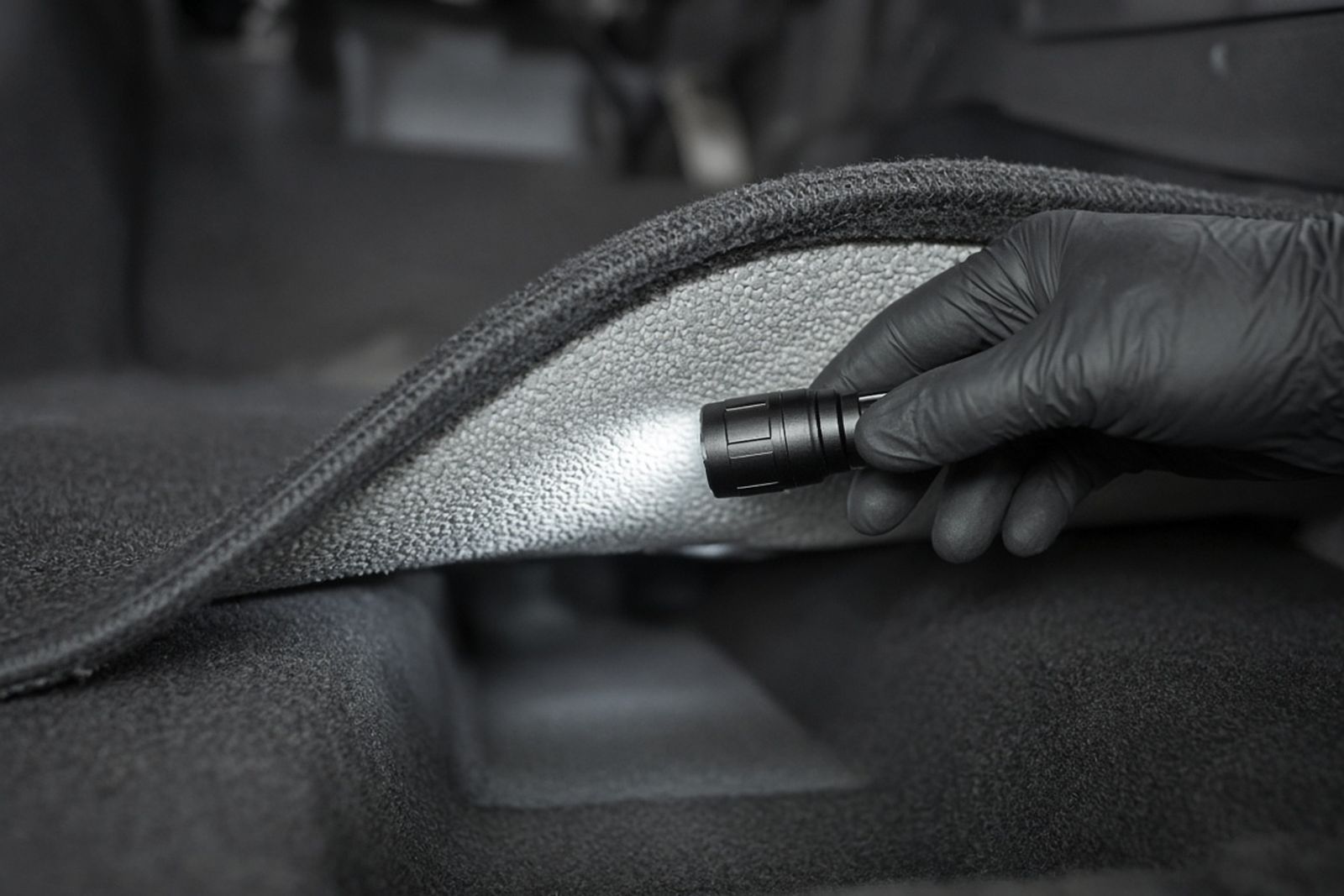
Here is a made-up case. A fleet safety manager works for a small delivery company. One of their drivers had a medical emergency in a van. The driver recovered, but there is blood on the seat, the floor, and the door panel. Two vendors respond. The first is the company's regular detailer. He offers to have the van back on the road that same afternoon, with a deep shampoo and an ozone treatment. Going through the checklist, the manager can tick that the detailer has insurance and a price. But the detailer has no plan to check the foam. He does not know whether the seat has a side airbag. He plans to bag the removed materials with the shop's regular trash. And he offers no photos or final note. The score is low, and the list of open questions is long. The second vendor is a biohazard cleanup firm. It asks to inspect first. It explains that the seat cushion will likely be removed and the foam checked. It describes how it will unplug and protect the seat airbag connector. It names its medical waste hauler and the waste shipping record the company will get. It also offers a photo package and a written sign-off note for the fleet file. The manager ticks most items. The few open questions, about how long it will take and about loaner seats, go into an email. They get answered the same day.
Numbers behind vetting checklist decisions
- 98%
Aerobic colony counts fell 98% after added fogging compared with post-cleaning measurements.
Read with care: System-specific; commercial technology; no patient infection or occupied-room safety endpoint.
Source: Khandelwal et al. (2022)Patient-room surfaces sampled after standard cleaning and again after a specific fogging system.
- 66.5%
The reported overall reduction was 66.5% in coaches.
Read with care: Product/vehicle-specific; bacterial reductions do not establish virus control or passenger safety.
Source: Kruszewska et al. (2022)Buses and long-distance coaches treated with a specific automated peracetic-acid system.
- 13 lists
EPA maintains 13 active lists of registered disinfectants, including List H for MRSA and VRE, List G for norovirus, and List S for bloodborne pathogens.
Read with care: Lists are not exhaustive; products must be used per label contact times.
Source: EPA (2025)United States, EPA-registered antimicrobial products
- $0 to employees
Since February 13, 2008, OSHA has required employers to provide required personal protective equipment at no cost to employees.
Read with care: Exceptions exist for non-specialty footwear, prescription eyewear and lost or deliberately damaged PPE.
Source: OSHA (2008)US general industry employers
These figures are public research and agency data, not this network's own job records. Keep each number with its population, year and limits; none of them predicts cost, timing or outcome at a specific property.
Provider Vetting Checklist questions for vehicular biohazard cleanup
Should I insist on written answers?
Yes, for anything that affects safety, cost, or records. A confident spoken walk-through is a good sign. But the scope, the choices about each part, the waste route, and the final papers belong in the written proposal. The score counts what has been confirmed. For those items, confirmed means a written paper you can hold the provider to. You can also show it to an adjuster or a buyer later.
Is a low score a reason to reject the provider?
Not on its own. A short call before an inspection often produces a low score simply because the provider has not seen the vehicle yet. Send the open questions and judge the reply. A thorough, prompt written response has just raised the score. A reply that avoids the questions, pushes for a booking, or repeats a sales line has told you enough.
Why does the checklist ask about airbags and seat belts?
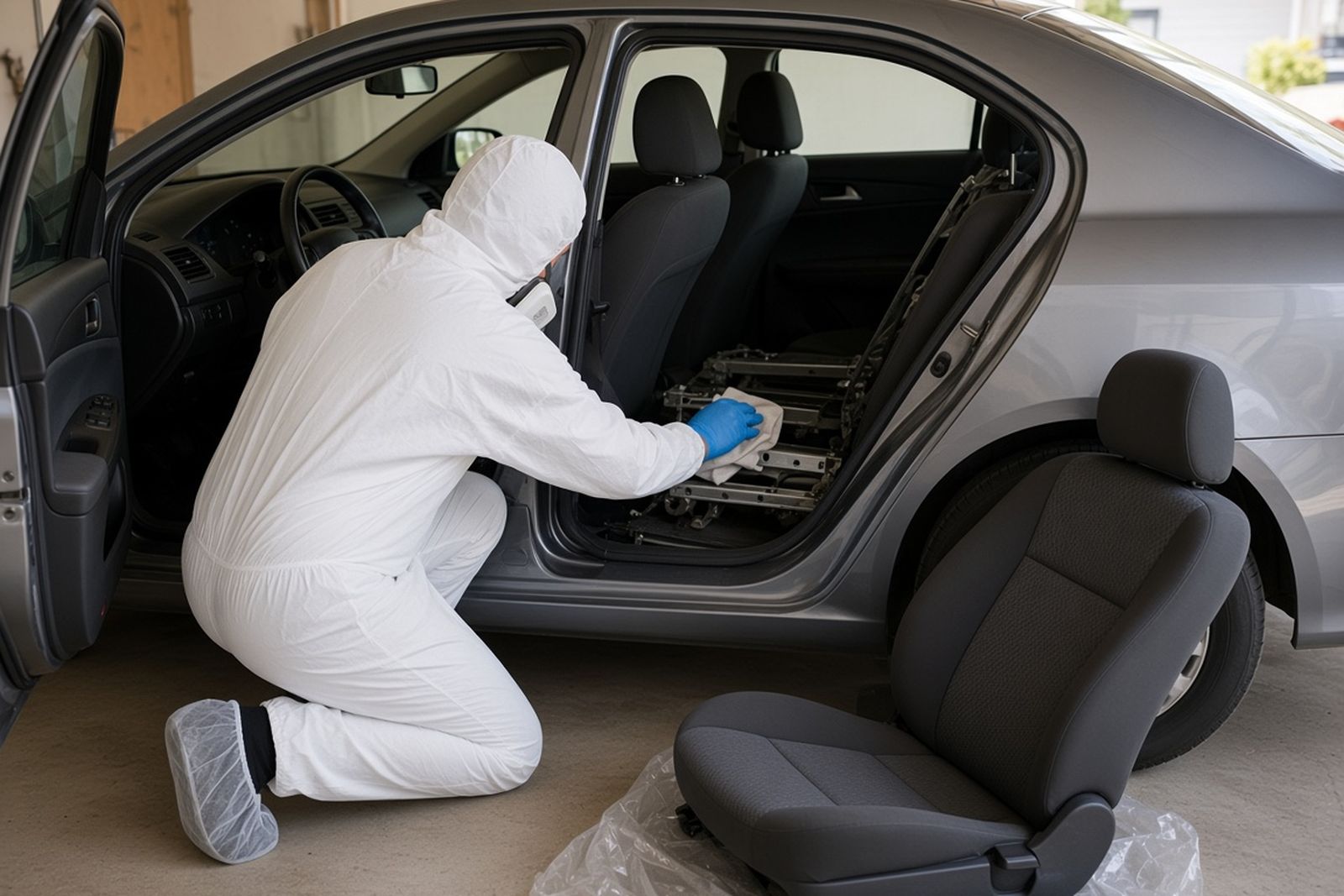
Because removing seats and cleaning around seat belt systems can damage them if done carelessly. That creates a safety problem worse than the mess. Seat airbags, belt tighteners, and wiring bundles need to be handled correctly. Seat belts that held a person in a crash, or that got soaked, may need to be replaced. A provider should explain their approach, or say that a qualified shop will handle those parts.
Should I ask about training and credentials?
Yes, and then check them. Ask whether workers are trained under the OSHA bloodborne germ standard. Ask whether the company holds any known cleanup credentials. Then check with the group that issued them, instead of trusting a logo. The network makes no claims about the credentials of any listed company. It cannot confirm them for you. Checking is up to you.
Can I use this checklist for a rideshare or rental vehicle?
Yes, with one addition. Ask whether the provider knows the paperwork that rideshare apps need for payback, or the steps rental companies require. Those companies may want certain photos, bills, or forms. Rental and lease agreements may also limit who can work on the vehicle. So check with the rental or leasing company before you approve anything beyond locking up the vehicle.
What if a provider declines to answer some of the checklist questions?
Ask why. Some answers, like exactly when parts will arrive, may truly depend on the inspection, and a provider can say so honestly. Refusing to talk about training, waste handling, or how it treats seats with airbags is different. That should concern you. Note which questions went unanswered and whether the provider offered to follow up in writing. Compare that pattern with how other companies answered.
Should I share my completed checklist with the provider?
You can. Sending the open questions in writing gives the provider a fair chance to fill gaps. It also creates a record of what was promised. Keep your own notes and scores private if you are comparing several companies, since they are for your decision. If you hire the provider, attach its written answers to the scope, so everyone works from the same understanding.
Related community polls
Every count is a real visitor vote; nothing is seeded or padded. One vote per poll per device, and you can change your answer.
If a passenger became ill in your car, what would you most likely do first?
Would you keep driving a vehicle where blood reached the seat foam if it looked clean afterward?
Other vehicular biohazard cleanup tools
Cost Range Estimator
Set the affected area, surface types, severity and extras to see an educational cost range and the factors that move it.
OpenInsurance Claim Organizer
A guided checklist from finding the policy to tracking the carrier decision, with a printable summary of where the claim stands.
OpenFirst 24 Hours Planner
Tell the planner a few facts about the situation and get an ordered list of who to call, what not to touch, and what to photograph.
OpenWaste & Disposal Classifier
Five questions about the material point to the likely waste category and which authority to confirm the rules with.
OpenDIY or Call a Pro? Risk Check
Eight yes-or-no questions that produce a risk level and explain when professional help is the safer choice.
OpenMore on vehicular biohazard cleanup
Vehicular Biohazard Cleanup services
Learn what cleanup of a car, van, RV, or boat involves after blood, illness, or death. It covers checking foam and belts, the air system, and waste.
Costs explained
What drives the price, published cost ranges, and how to read a written quote line by line.
Insurance and payment
Which policies may respond, how to document a claim, and what to do if coverage is denied.
Community polls
See how other owners, rideshare drivers, and fleet managers handled soiled vehicles. Views range from first reactions to total-loss offers and what to tell buyers.
Knowledge quiz
Test what you know about soaked foam, seat belts and airbags, the car's air paths, regulated waste, and when an insurer may total the vehicle.
Articles and resources
Plain reads on rideshare cases, fleet steps, RV and boat cabins, and how heat speeds decay. Learn how to talk with an adjuster about your car or truck.