Vehicular Biohazard Cleanup: Costs & Insurance
Decision-focused information about vehicular biohazard cleanup scope variables, estimate comparison, documentation, and policy questions. Coverage depends on the triggering peril, policy language, limits, exclusions, deductible, and carrier review.
Posts in this category explain what drives the price of cleaning a soiled vehicle and how auto coverage tends to respond. They explain why cloth seats and carpet padding cost more than leather and rubber mats. They explain why air system parts add to the job and how waste packing and hauling show up on a bill. They also show how adjusters weigh cleanup against a vehicle's value. You will find help comparing a low bid with a much higher one. Some posts cover rideshare coverage gaps, rental payback, and questions about lost use of the vehicle while it is off the road.
Get an email reply about vehicular biohazard cleanup
Send a short message to the follow-up inbox. A coordinator can reply by email. This form does not send emergency help; call 911 first if anyone is in danger.
This matters because vehicles have a hard limit that houses do not. Once cleanup plus repairs come close to what the car was worth, many insurers would rather settle it as a total loss. Knowing how that comparison works helps you avoid paying for tear-down on a vehicle the insurer will take anyway. It also helps you read a quote with confidence. And it helps you understand costs that seem too big for a small cabin. Examples are labor for pulling seats or the separate fee for regulated waste. If you rely on the vehicle for income, these posts suggest ways to talk about time off the road and rental coverage with your insurer early.
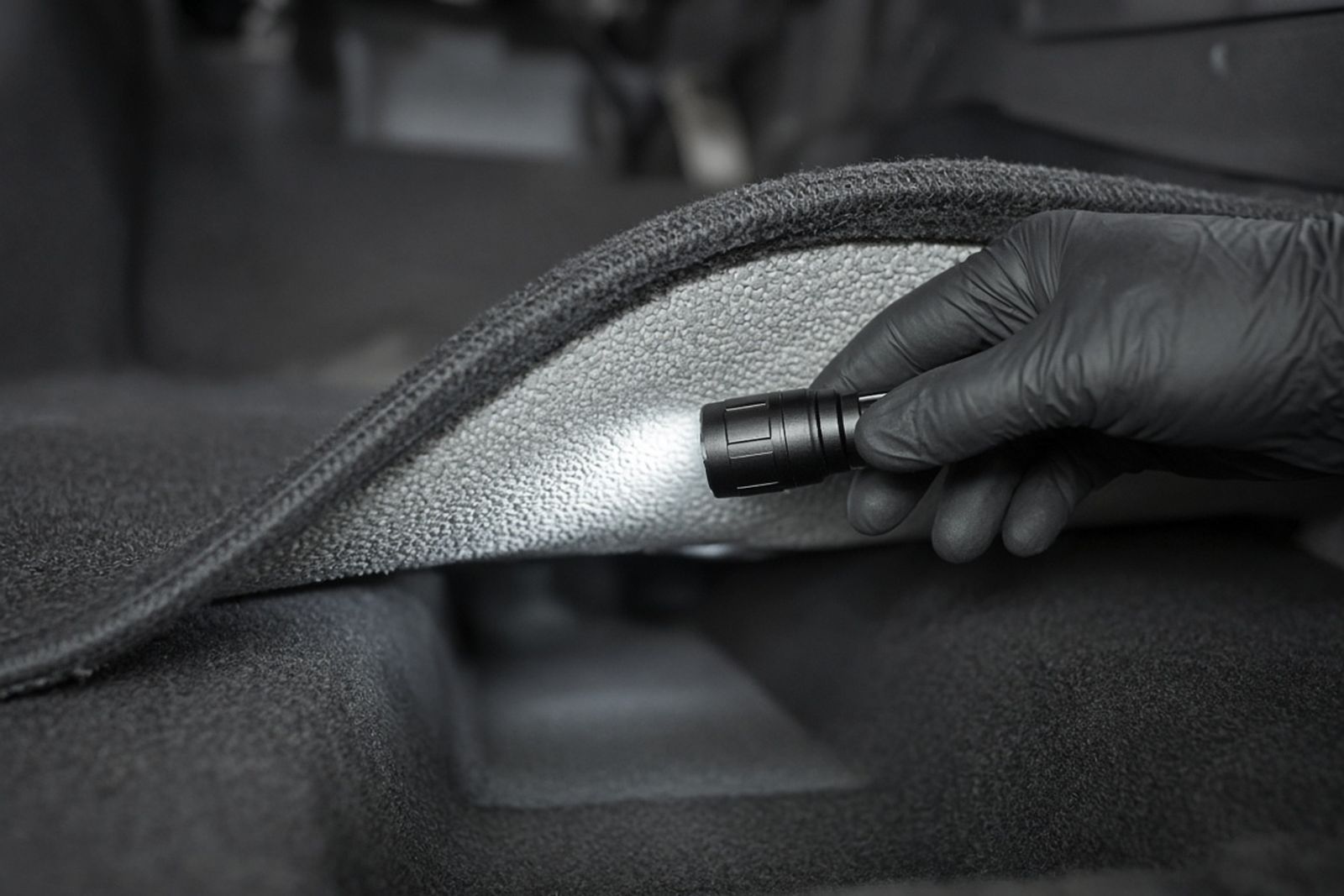
What Drives Vehicular Biohazard Cleanup Cost?
Cabin cleanup cost depends on which seats, foam, carpet, and vents were reached, and on the vehicle's value. See what moves a car or van remediation quote.
Vehicular biohazard cleanup cost is driven by how far fluid traveled into seats, foam, carpet, padding, and air pathways, how many components must be removed and replaced, the type of vehicle, and how long contamination sat. Parts replacement and labor to remove trim often outweigh the disinfection itself, and the vehicle's value decides whether remediation makes sense at all.
Does Homeowners Insurance Cover Vehicular Biohazard Cleanup?
A contaminated car is usually an auto policy question, not a homeowners one. See how comprehensive, collision, and total-loss decisions shape cabin cleanup.
Usually not. Homeowners policies generally exclude motor vehicles, so cleanup inside a car, truck, or van is normally evaluated under an auto policy instead. Comprehensive or collision coverage may respond depending on what happened, and a carrier may decide the vehicle is a total loss rather than pay for remediation. Call the auto carrier first and get its position in writing.
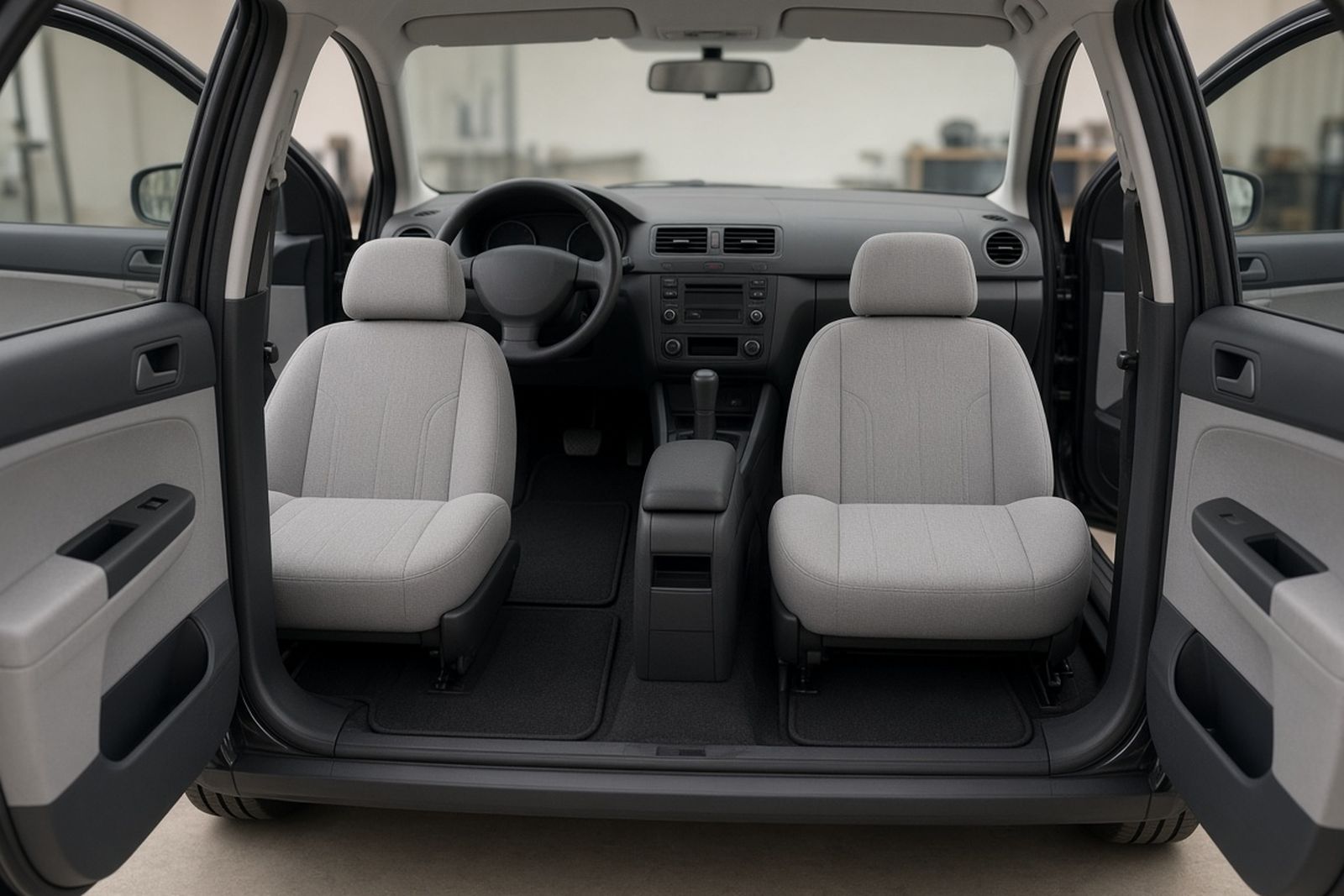
How to Compare Low and High Vehicular Biohazard Cleanup Bids
A detail shop and a biohazard specialist may quote the same stained car very differently. See how to compare vehicle cleanup bids on scope, parts, and proof.
Compare vehicle biohazard cleanup bids by checking whether each one removes contaminated foam, carpet, and padding or only cleans the surface, how hidden areas like seat tracks and vents are handled, who supplies and installs replacement parts, how sharps and waste are disposed of, and what documentation you receive. Include storage fees and timing. A cheaper surface-only job can leave contamination and odor behind.
Sourced figures on costs & insurance
- $340 billion
The economic cost of U.S. motor vehicle crashes is estimated at $340 billion per year.
Read with care: Economic cost estimate originates from NHTSA modeling and includes lost productivity, not cleanup alone.
Source: IIHS (2024)United States, annual estimate cited by IIHS
- $25-$600/hour
Biohazard cleanup labor ranges from $25 per hour for Biosafety Level 1 work to as much as $600 per hour for Level 4 work.
Read with care: Most vehicle blood cleanups fall in the lower biosafety tiers.
Source: Fixr (2025)United States, consumer cost guide updated January 2025
- 34,625
Federal OSHA conducted 34,625 inspections in fiscal 2024, split between 17,455 unprogrammed and 17,170 programmed inspections.
Read with care: Excludes inspections by the 22 state plans covering private employers.
Source: OSHA (2024)United States federal OSHA, FY2024
These figures are public research and agency data, not this network's own job records. Keep each number with its population, year and limits; none of them predicts cost, timing or outcome at a specific property.
What research has found
Findings from published studies of people and properties in situations like this one. They describe what researchers observed in a specific group; they are not predictions for your case.
MRSA and Pseudomonas detected after standard cleaning were not detected in post-fogging samples.
All six surface types were contaminated before routine cleaning.
Costs & Insurance: common questions
Why would a quote for a small sedan be higher than I expected?
Vehicle work takes a lot of labor in tight spaces. Removing and putting back seats, lifting carpet, and cleaning around wiring take time. New foam or seat belts may need to be ordered. Packing and hauling regulated waste add their own costs. Ask for a cost breakdown for each part, so you can see where the work is going.
Will my auto insurer pay the cleanup company, or do I pay first and get paid back?
It depends on the insurer, so call yours before you agree to anything. Some auto insurers want to review a written scope and then pay the provider directly. Others pay you back after the work. If you pay before the claim is approved, you take the risk that some items, such as new seat cushions, are not covered. Ask for the insurer's position in writing.
How do I compare a detailer's price with a biohazard cleanup company's quote?
Look at what each quote really includes. A detail price often covers a surface shampoo and a nice scent. A biohazard cleanup quote may include removing seats, replacing foam, air system work, disinfecting with the right wet times, and regulated waste disposal. If a quote does not say what happens under the seats or how waste leaves, ask before you compare totals.
Can I ask my insurer for an advance to cover the cleanup deposit?
You can ask. Some insurers can make partial payments once they have reviewed a scope, especially when you really need the vehicle. Others pay only after the work is done. Ask your adjuster what is possible under your claim and what papers they need. Also ask the provider whether it can wait for the insurer's payment before asking for a deposit.
How do I handle the deductible when the provider bills the insurer directly?
In most cases, you pay the deductible to the provider, and the insurer pays the rest of the approved amount. Ask the adjuster to confirm the approved amount. Ask whether anything else falls to you, such as items the policy does not cover. Have the provider show the deductible and the insurer's share clearly on the bill, so the math is easy to check.
What costs are easy to forget when budgeting for a vehicle cleanup?
Early budgets often leave out towing, daily storage fees, a rental car, lost work time, new child car seats, and cosmetic items you choose to change. Parts for older or rare vehicles may also cost more than you expect. List these next to the provider's quote, so you see the full picture. Then ask your insurer which of them it may consider.
Does rideshare or delivery work change how costs are handled?
It can. Your personal policy may treat time spent driving for a rideshare app differently. The app company may have its own coverage or cleaning-fee process. Report it through the app as well as to your insurer. Ask each one which items they will look at. Keep the provider's scope and bill ready to share with both, since each may ask for the same records.
Related community polls
Every count is a real visitor vote; nothing is seeded or padded. One vote per poll per device, and you can change your answer.
If a passenger became ill in your car, what would you most likely do first?
Would you keep driving a vehicle where blood reached the seat foam if it looked clean afterward?
More on vehicular biohazard cleanup
Vehicular Biohazard Cleanup services
Learn what cleanup of a car, van, RV, or boat involves after blood, illness, or death. It covers checking foam and belts, the air system, and waste.
Costs explained
What drives the price, published cost ranges, and how to read a written quote line by line.
Insurance and payment
Which policies may respond, how to document a claim, and what to do if coverage is denied.
Planning tools
Estimate the job for your vehicle, check a provider, organize an auto claim, and plan the first day. Sort removed materials and see whether you should touch the cabin.
Community polls
See how other owners, rideshare drivers, and fleet managers handled soiled vehicles. Views range from first reactions to total-loss offers and what to tell buyers.
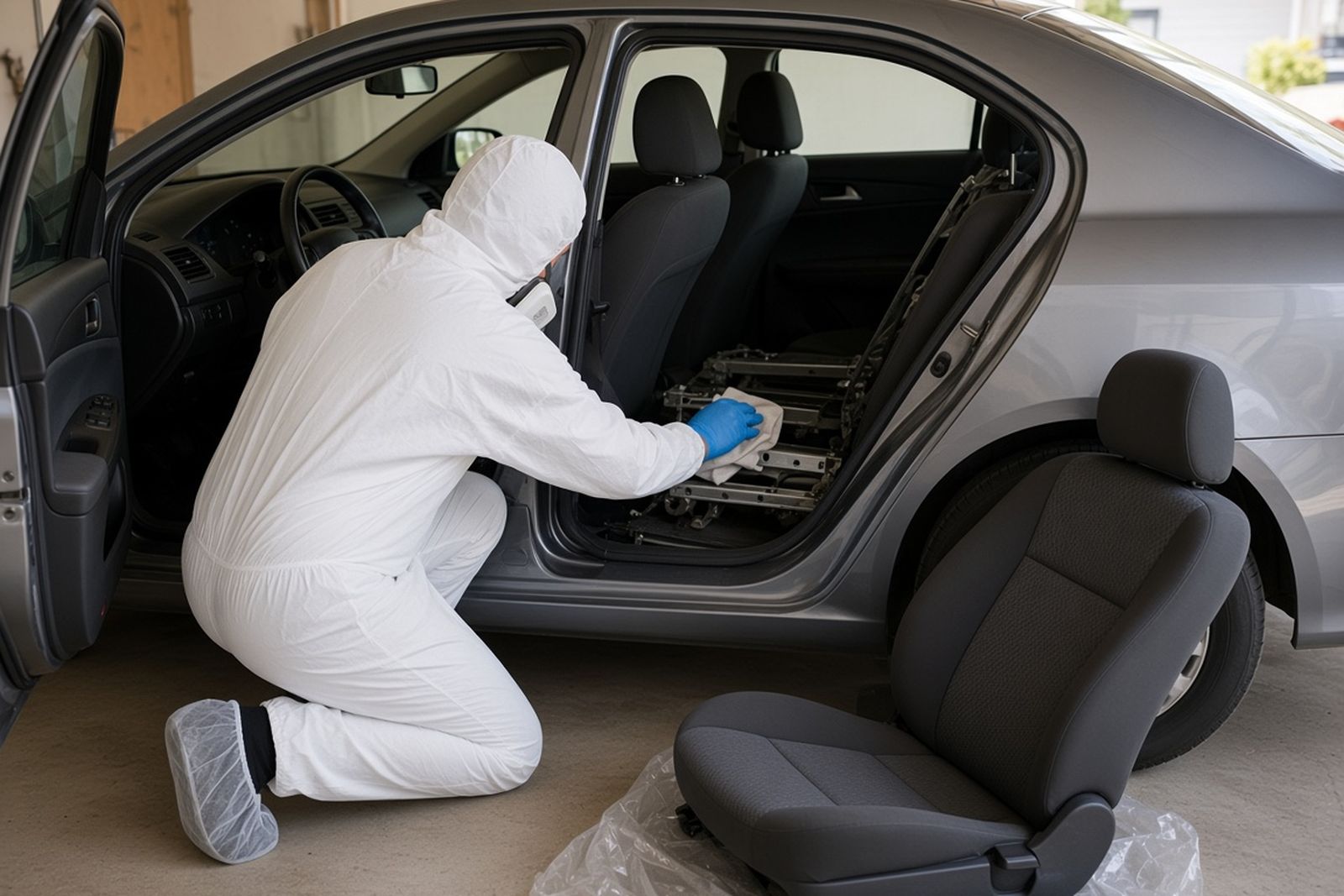
Knowledge quiz
Test what you know about soaked foam, seat belts and airbags, the car's air paths, regulated waste, and when an insurer may total the vehicle.