Short answer
Vehicular biohazard cleanup cost is driven by how far fluid traveled into seats, foam, carpet, padding, and air pathways, how many components must be removed and replaced, the type of vehicle, and how long contamination sat. Parts replacement and labor to remove trim often outweigh the disinfection itself, and the vehicle's value decides whether remediation makes sense at all.
Why cabin cleanup has no flat price
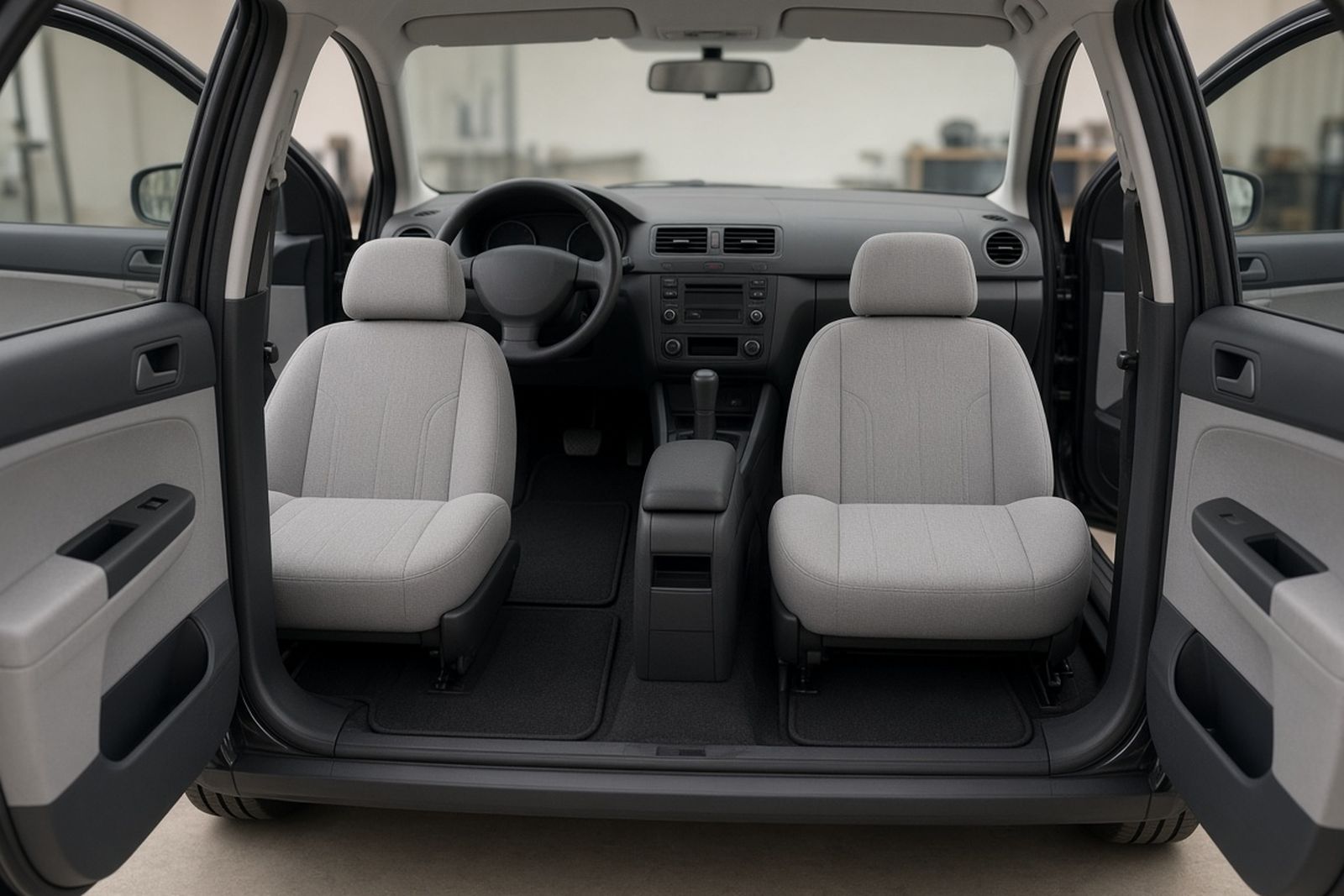
Every vehicle interior is a different puzzle. A two-door coupe with leather seats and rubber floor mats is a very different job from a minivan with cloth captain's chairs, a third row, and carpeted cargo space. An RV adds cabinets, mattresses, and plumbing. A boat adds marine upholstery and bilge spaces.
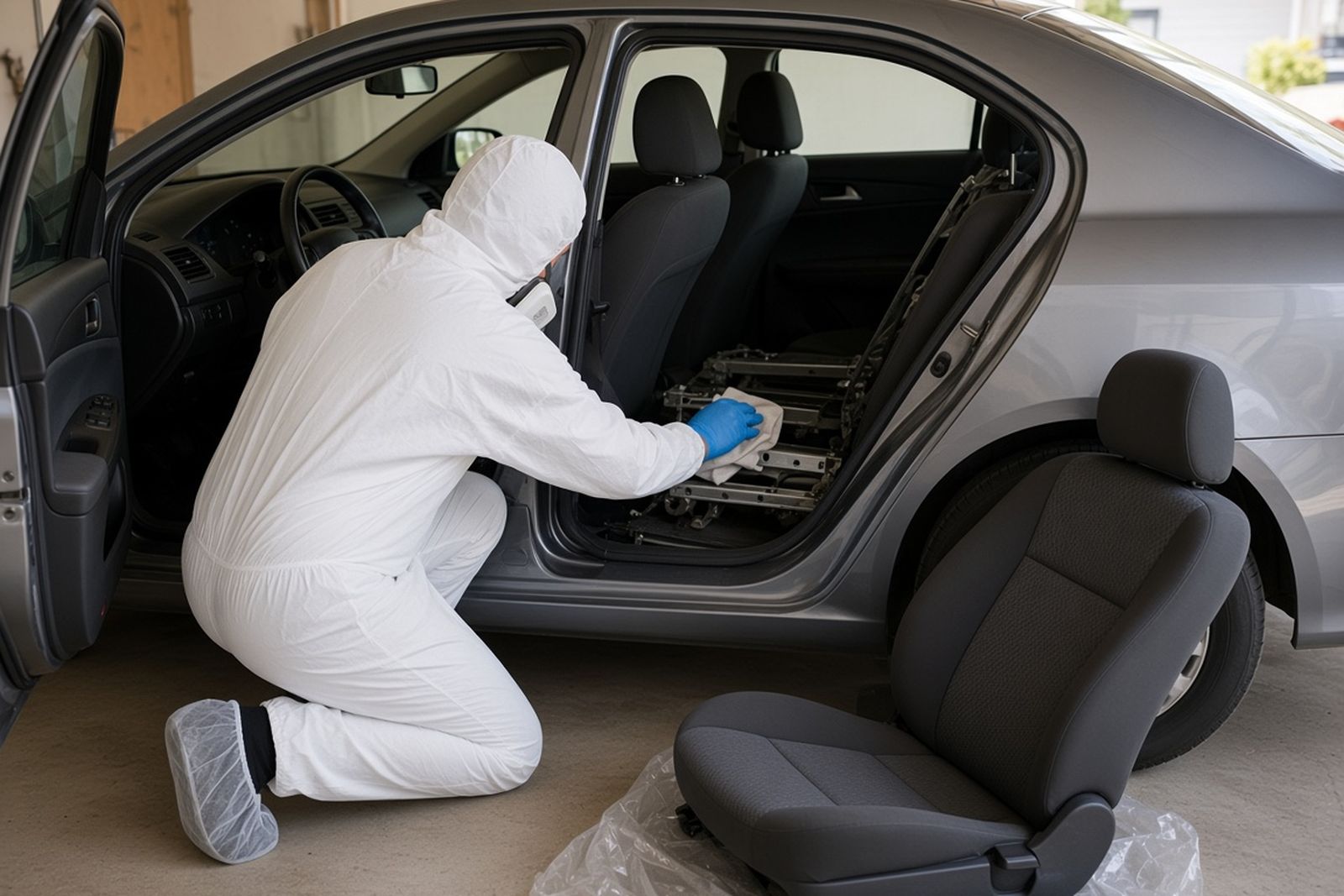
The incident also changes the job. A small spill on a hard panel may take an hour. Fluid that soaked through a seat into its foam, ran down the seat track, and pooled under the carpet requires taking the interior apart. Time adds another layer, since contamination left in a closed, warm car for days spreads odor and can reach more material.
That is why reputable providers inspect before quoting, or at least ask for detailed photos. A price given over the phone without seeing under the seats is a guess.
The parts of the cabin that drive cost
Porous components are the main cost drivers because they often cannot be verified clean and must be replaced. Hard, sealed surfaces are usually cleaned and disinfected in place.
Replacement parts add both the part cost and the labor of removing and installing them. Some seats contain airbags, sensors, heaters, or wiring, which makes removal slower and requires care.
Seat belts deserve special mention. Because they are safety equipment, many providers will not simply clean webbing that absorbed fluid. They recommend replacing the belt assembly with a proper part, which is one reason a quote can jump when belts are involved.
- Seat foam and cloth covers, especially where fluid passed through perforations or seams
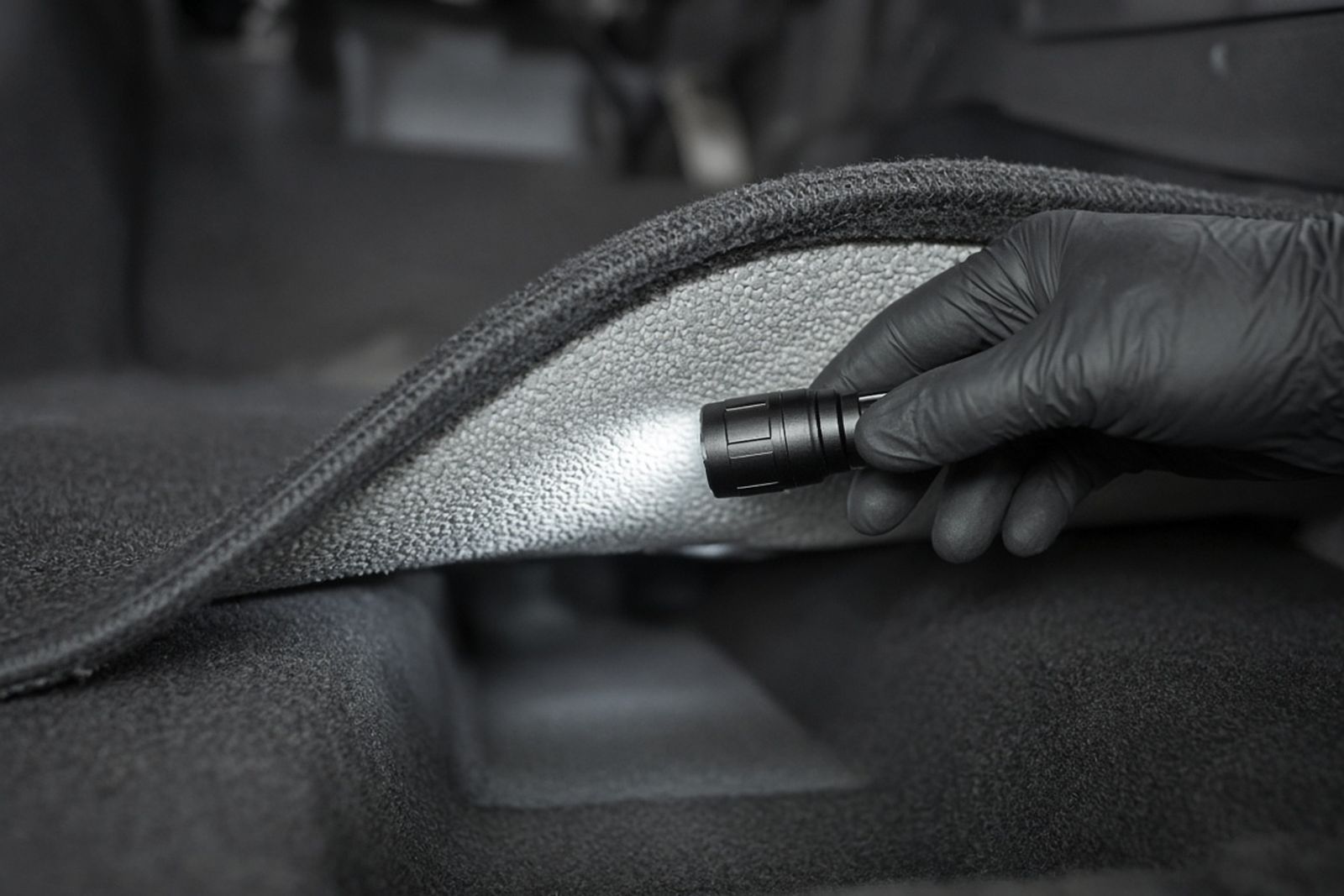
- Carpet and the jute or foam padding beneath it, which can hold fluid long after the surface dries
- Seat belts and their retractors, since webbing is porous and belts are safety equipment
- Headliner fabric, if splatter or aerosolized material reached the roof
- Cabin air filter and ventilation components, when contamination entered the vents
- Trim panels with fabric inserts, door pockets, and center console linings
How much does vehicle type change the quote?
Larger vehicles have more material to assess, more seats to remove, and more places for fluid to collect. A pickup's rear bench, a van's sliding-door track, and an SUV's fold-flat seats all hide gaps that must be opened.
Specialized vehicles cost more to work on. Ambulances and patrol cars are designed for frequent cleaning, but their equipment mounts, partitions, and electronics take time to work around. RVs combine a vehicle with a small home, including mattresses and cabinetry. Boats may need work in areas that are awkward to reach.
Parts availability matters too. A popular sedan's seat cover may be easy to source. An older or rare model may require a custom upholstery job, which adds time and cost.
Commercial vehicles also carry the hidden cost of downtime. A work truck or rideshare car earning money every day loses income for every day in the shop. When you compare quotes, ask each provider for a realistic completion window, not just a start date.
Labor, protective gear, and waste
Technicians working with blood and other potentially infectious materials follow bloodborne pathogen protocols. That means protective equipment, controlled work areas, and cleaning products used according to their labels. All of that is part of the price.
Labor rates vary widely by region and by the level of hazard. As a rough reference, Fixr reported in 2025 that biohazard cleanup labor ranges from $25 per hour for Biosafety Level 1 work to as much as $600 per hour for Level 4 work. Most vehicle jobs are nowhere near the extreme ends of that range, but it shows how much the hazard level moves the rate.
Removed foam, carpet, belts, and pads are handled as regulated waste where required. Packaging, manifests, and transport to a licensed facility are usually a separate line. Ask whether that line is included and how it is calculated.
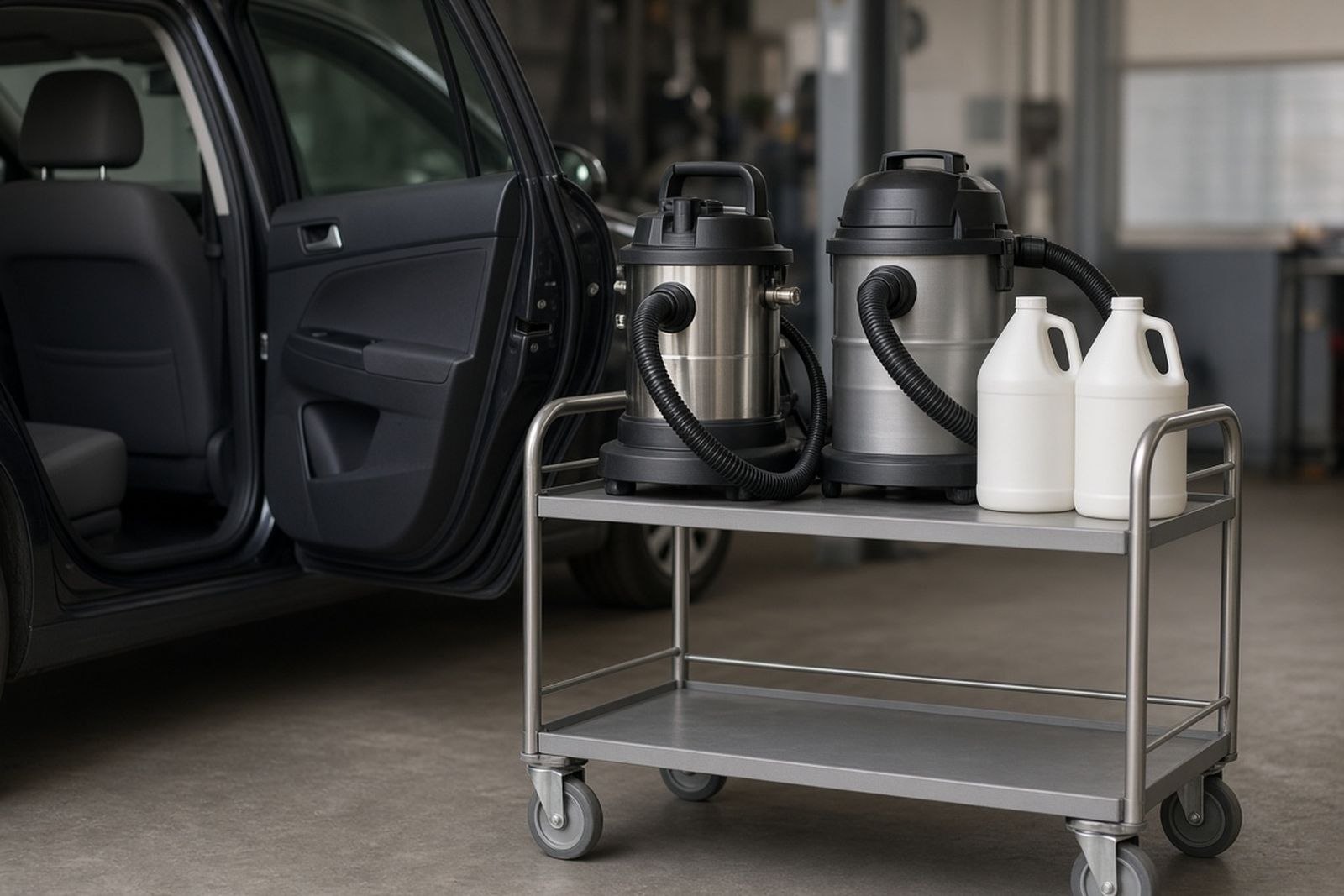
Disinfectant choice can affect cost as well. Products must be suited to the contaminant and compatible with automotive materials, and they need to stay wet on the surface for the contact time on their label. Rushing that step saves little and can leave a job incomplete.
When the vehicle is worth less than the cleanup
This is the question that often decides everything. If remediation and parts approach what the vehicle is worth, it may make more sense to let an insurer settle it as a total loss, sell it for salvage, or replace it.
The math itself is simple: compare the written cleanup quote with the vehicle's current value and any emotional factors that come with keeping it.
Some families want the car gone no matter what the numbers say, because it holds a painful memory. Others want to keep a vehicle that belonged to someone they lost. Both choices are valid. Let the quote inform the decision rather than make it for you.
Reading two quotes side by side
When two quotes for the same vehicle differ sharply, the gap usually sits in what one of them leaves out. A low quote often offers to wipe down the affected area and deodorize. A higher one may propose lifting mats and flooring, disinfecting the metal floor and its seams with an appropriate registered product, cleaning shelving or trim, replacing insulation or padding where fluid reached it, and packaging removed material for regulated disposal.
The higher quote is not automatically the better one, but it accounts for the seams and hidden layers the first ignores. Ask every provider to separate parts, labor, and disposal on the estimate and to note how long the vehicle will be out of service.
For a fleet, downtime matters as much as the invoice, so factor a rental or a spare vehicle into the real cost. For a family, the equivalent is the rental car, the extra rides, and the days of disruption that a slow or incomplete job can add.
Extra charges to watch for
A clear estimate lists each component and each action. Surprises usually come from items left off or described vaguely. Ask about these before you approve work.
Also ask what the provider will do if the odor or staining returns after the vehicle is back in service. Some include a follow-up inspection at no charge within a stated window, while others bill a return visit as a new job. Knowing that difference in advance lets you compare offers that look similar on paper.
- Towing or transport of the vehicle to the provider's facility
- Storage fees if the vehicle sits waiting for parts or insurer approval
- Hidden damage found once seats or carpet are removed, and how change orders are handled
- Odor treatment after cleaning, and whether it is included or separate
- Reinstallation and testing of seats with airbags, sensors, or heaters
- Regulated waste disposal priced per container, per pound, or as a flat fee
Can I save money by doing part of the work myself?
Removing trash, personal items, and loose floor mats that are clearly unaffected can help, as long as you do not touch contaminated areas. Take out anything you want to keep from untouched parts of the car before the technician arrives, wearing gloves.
Avoid scrubbing, shampooing, or steam cleaning affected areas. Those methods spread fluid through foam and fabric and can make the job larger. Avoid removing seats yourself as well, since many contain airbags and electrical connections that need proper handling.
If an emotional connection to the vehicle makes these tasks hard, let the provider handle all of it. There is no benefit in sorting through a difficult scene alone to save a small amount.
Signs of a fair quote
A fair quote describes the vehicle, lists each component to clean or replace, explains why, and separates parts, labor, disposal, and any odor treatment. It should also say how the provider will verify the cabin is ready to use.
Get at least two written quotes when time allows, and compare them line by line. Ask each provider whether its technicians are trained under OSHA's bloodborne pathogens standard, how waste is routed, and whether it has worked on your type of vehicle before.
Ask about timing too. A lower price that leaves your vehicle unavailable for weeks may cost more in rentals and lost work. If the vehicle may later be sold or totaled, your state motor vehicle agency can tell you whether any title branding applies.