Free vehicular biohazard cleanup tool
Vehicular Biohazard Cleanup Waste & Disposal Classifier
Five questions about the material point to the likely waste category and which authority to confirm the rules with.
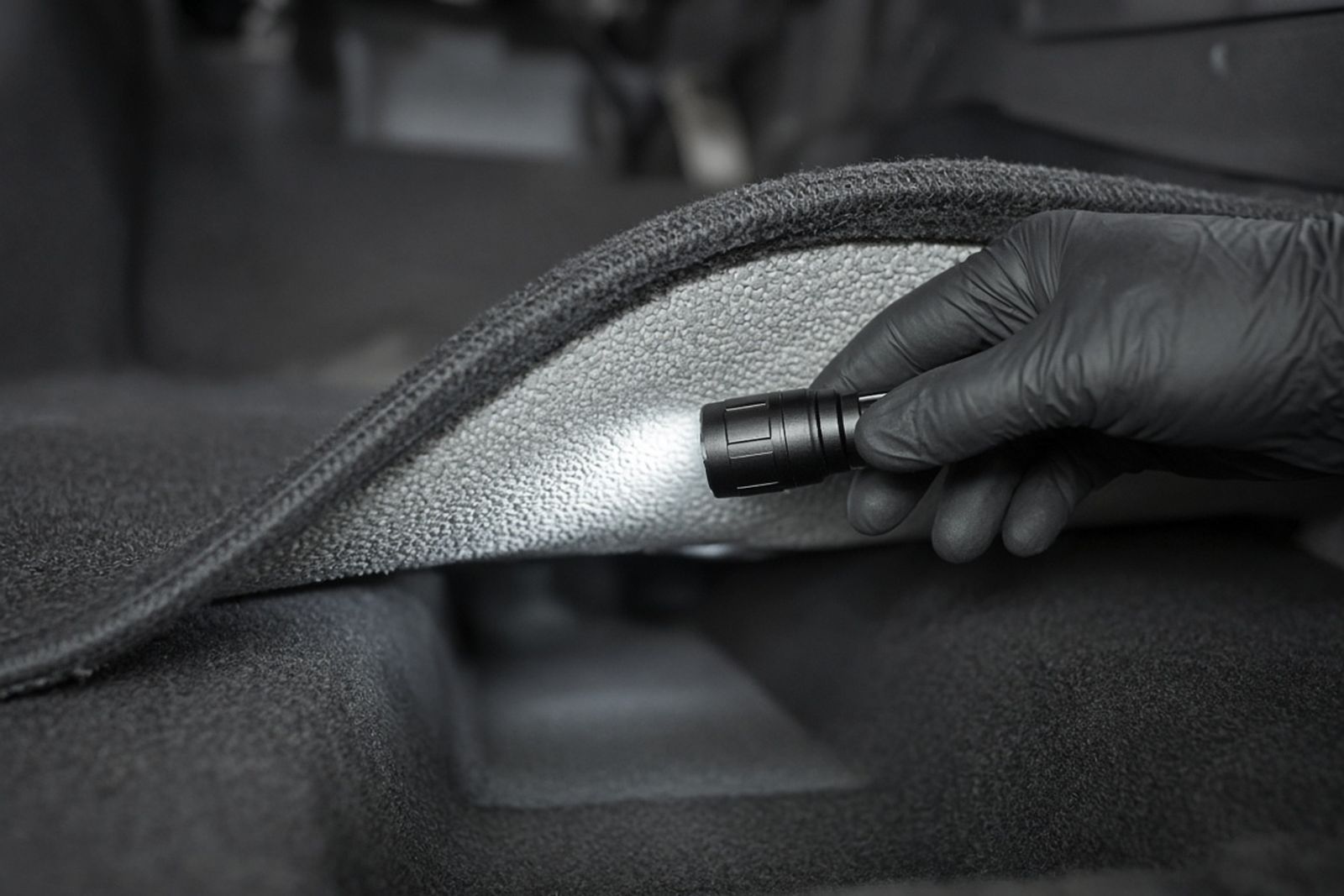
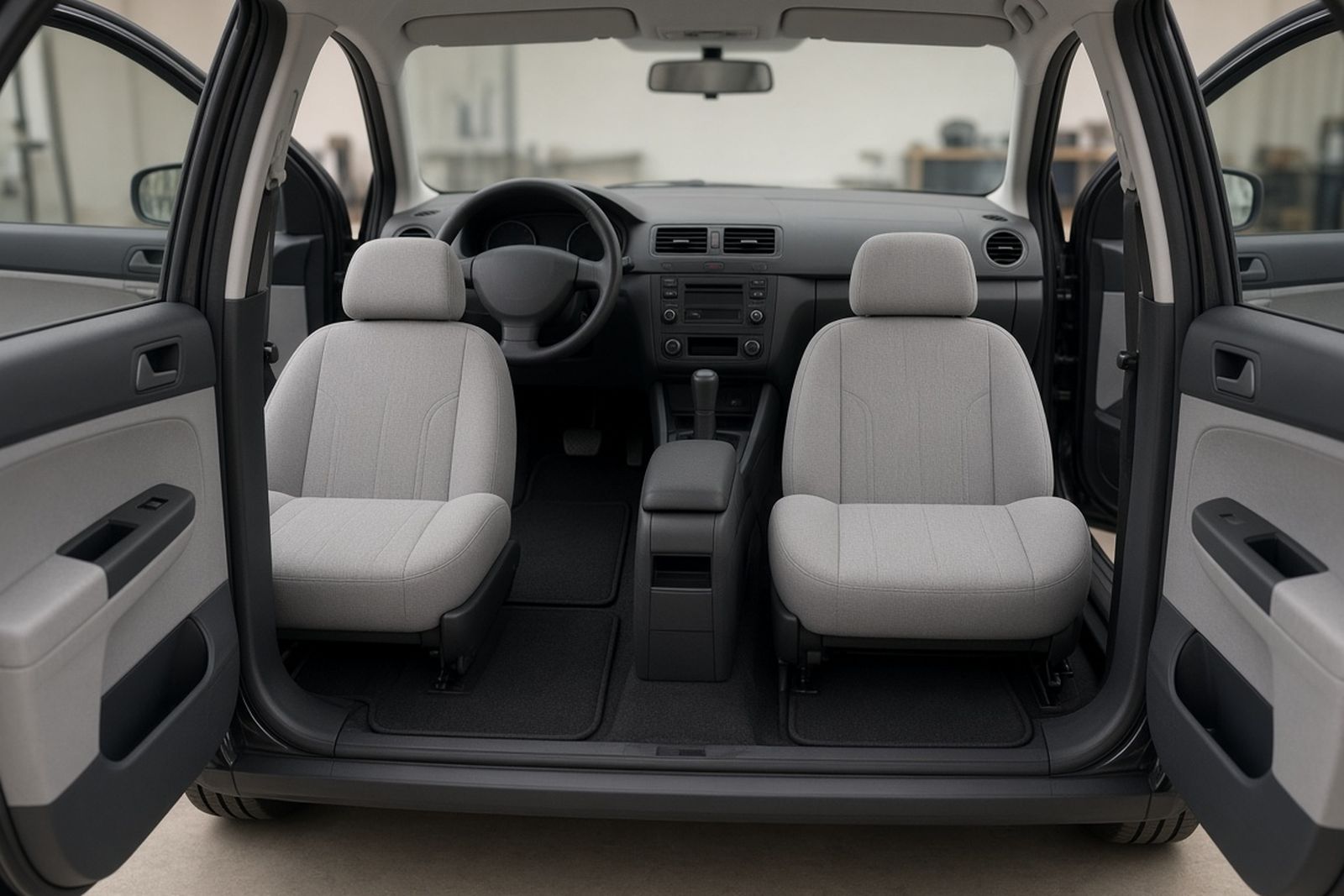
A vehicle cleanup creates waste that looks ordinary but often is not. A seat cushion, a roll of carpet, a floor mat, a seat belt, a cabin air filter, and a bag of wipes and gloves all come out of the cabin. Where each one should go depends on what soiled it. This tool asks five questions. What is the material? What fluid or substance soiled it? Did it involve blood or other body fluids that can carry disease? Might needles, other sharp objects, or chemicals be mixed in? And how much is there? Then it suggests a likely waste type. Examples are regulated medical waste, hazardous waste, sharps, or normal trash. It also names the agency to check with.
The result is a starting point, not a final ruling. Waste rules vary by state and county. Check with the local authority before anything leaves your property or a shop. Most cleanup providers handle disposal as part of the job. The tool helps you understand what that line on the bill covers, and what papers you should get back. Your answers may point to regulated medical waste, sharps, or hazardous waste. If so, let a licensed hauler handle it. Do not load it into another vehicle, a household trash bin, or a body shop's dumpster. Fleet managers can use the same questions to write disposal steps that drivers and vendors follow the same way every time.
How to use it
- 1Pick the type of material, such as seat foam, carpet and padding, a seat belt, a filter, or used cleaning supplies.
- 2Pick what soiled it. Then answer whether blood, fluid from a body after death, or other body fluids that can carry disease were involved.
- 3Mark whether needles, drugs, chemicals, or unknown substances might be in or around the material.
- 4Read the suggested waste type and the agency to contact. Ask your provider to confirm the route and give you the disposal record.
Prefer to ask a person?
Your request is sent to the follow-up inbox. A coordinator can reply by email. Not for emergencies; call 911 first if anyone is in danger.
Work out the likely waste path
Vehicular Biohazard Cleanup waste and disposal classifier
Points you to the likely waste category and who confirms the rule. State and local definitions control; verify before anything leaves the property.
Likely regulated medical waste (biohazard)
- Materials saturated with blood or other potentially infectious material, or that would release liquid if compressed, are treated as regulated medical waste in most states.
- Packaging usually means red bags inside rigid containers, labeled with the biohazard symbol, and a licensed transporter with a manifest.
Who confirms the rule
- State health or environmental agency (regulated medical waste program)
- The remediation provider, who should name the transporter and treatment facility in writing
This is an educational sorting aid, not a regulatory determination. Waste rules vary by state and county.
A worked example
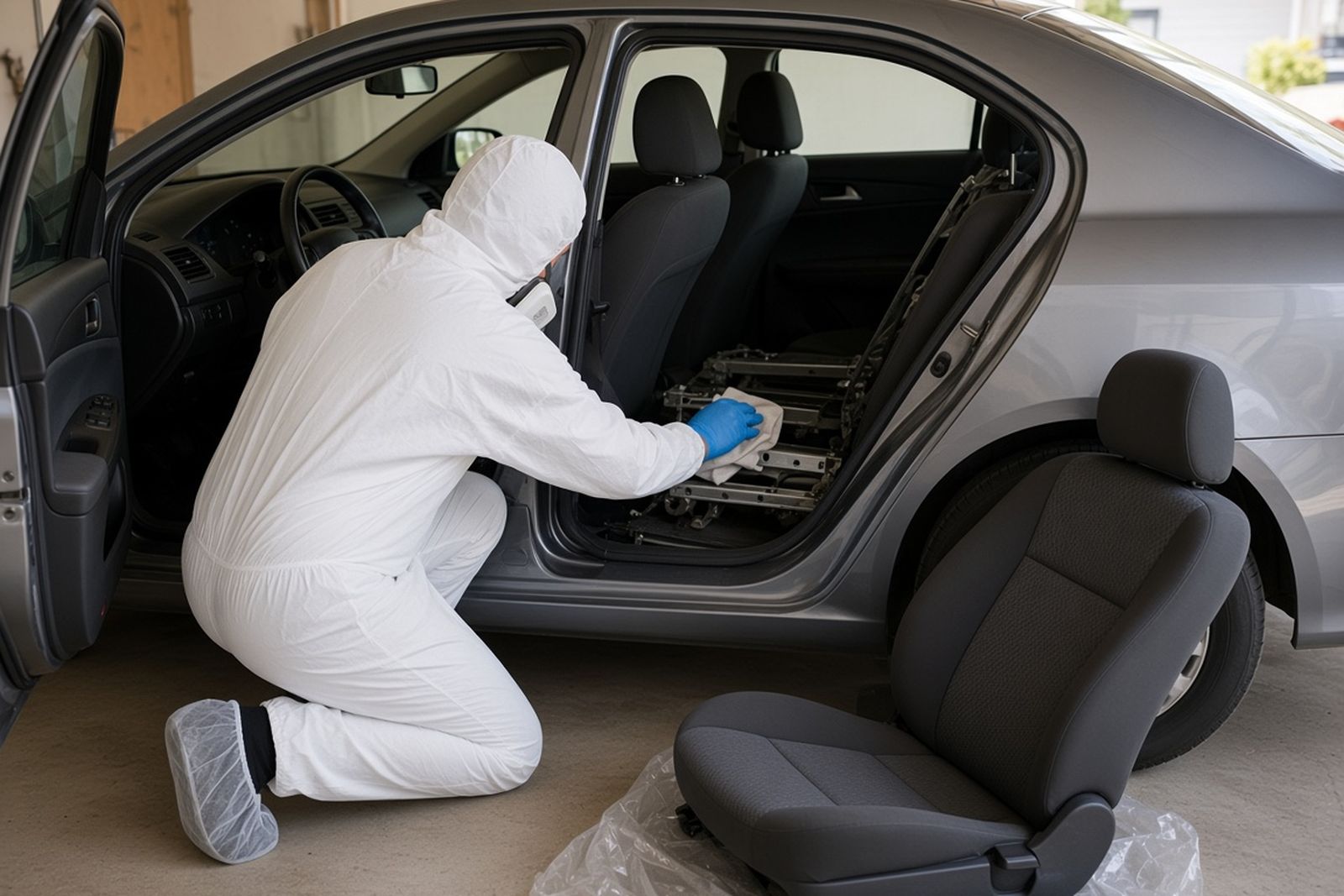
Here is a made-up case. A fleet manager has a shuttle bus where a passenger had a bad nosebleed. The blood soaked into a cloth seat and dripped onto the floor. The cleanup vendor removed the seat cushion and a piece of the floor covering. In the tool, the manager picks seat foam and carpet as the material and blood as the substance. The manager answers yes to blood, no to sharp objects or chemicals, and picks a small to medium amount. The tool says the soaked materials likely count as regulated medical waste. It points to the state environmental or health agency as the one to check with. It notes that a licensed medical waste hauler should take it, with a waste shipping record the company keeps. Later, the same manager handles a van where a passenger threw up on a vinyl seat and a rubber floor mat. This time, the material is a floor mat and cleaning wipes. The substance is vomit, and the answer to blood is no. The tool says these likely count as normal trash if bagged and sealed. It again reminds the manager to check with the local trash authority. The manager uses the two results to write a short card for drivers. Blood or unknown fluids mean the vehicle is tagged and the vendor is called. Vomit or urine on hard surfaces means bag it, seal it, and log it.
Numbers behind waste classifier decisions
- 13 lists
EPA maintains 13 active lists of registered disinfectants, including List H for MRSA and VRE, List G for norovirus, and List S for bloodborne pathogens.
Read with care: Lists are not exhaustive; products must be used per label contact times.
Source: EPA (2025)United States, EPA-registered antimicrobial products
- 2.43 million
Janitors and building cleaners held about 2,432,600 jobs in the United States in 2025, with a median pay of $36,840 per year.
Read with care: Occupation-level count covers general cleaning, not specialized biohazard or remediation technicians.
Source: BLS (2025)United States, all employment settings, 2025 estimate
- 40 hours + 8 hours/year
OSHA's HAZWOPER rule requires general site workers to complete 40 hours of off-site instruction plus three days of supervised field experience, with 8 hours of annual refresher training.
Read with care: Not every biohazard cleanup legally falls under HAZWOPER; meth lab chemical work often does.
Source: OSHA (1990)US hazardous waste site workers
- $0 to employees
Since February 13, 2008, OSHA has required employers to provide required personal protective equipment at no cost to employees.
Read with care: Exceptions exist for non-specialty footwear, prescription eyewear and lost or deliberately damaged PPE.
Source: OSHA (2008)US general industry employers
These figures are public research and agency data, not this network's own job records. Keep each number with its population, year and limits; none of them predicts cost, timing or outcome at a specific property.
Waste & Disposal Classifier questions for vehicular biohazard cleanup
Is seat foam with blood on it always regulated medical waste?
Often, yes. Material soaked enough to drip fluid when squeezed is often treated that way. But state rules, and sometimes county rules, set the definition and the cutoff. Material with only light spots may be handled differently. The tool flags the likely waste type and the agency to ask. When in doubt, the licensed route is the safe choice. A provider can advise based on what they see.
What do I do with a needle found in the car?
Do not pick it up by hand. If you must move it, use tongs or pliers. Put it in a hard container with a lid that cannot be poked through, such as a sharps container made for this. Never use a bag or a bottle that can be crushed. Sharp objects have their own disposal rules that vary by state and county. The tool points you to the health department. A provider who searches the vehicle for sharp objects will handle this as part of the job.
Can removed carpet and foam go in a body shop's dumpster?
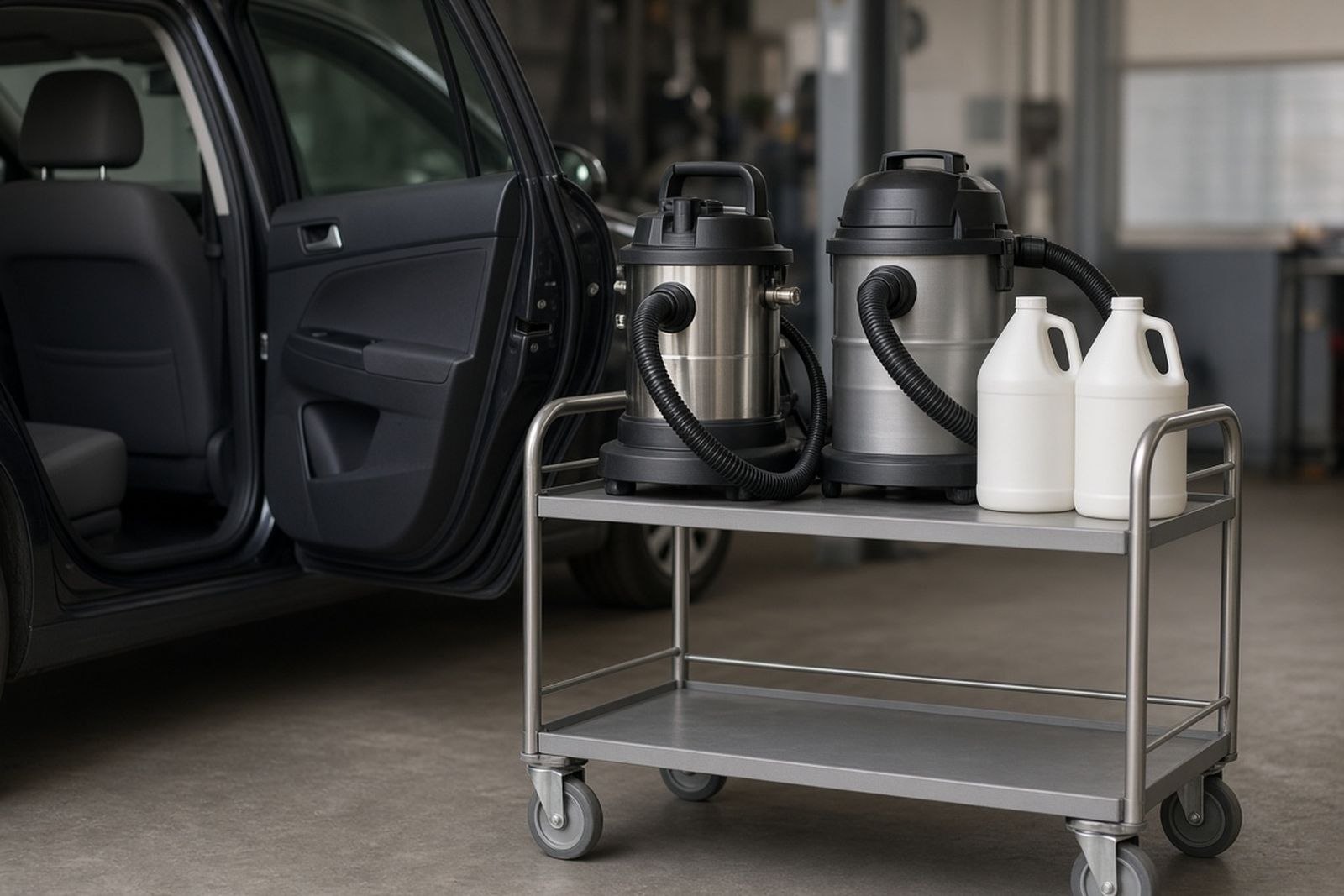
Not if it has blood or other body fluids that can carry disease on it. Putting it there can cause a rule problem for the shop. It also puts whoever handles the dumpster at risk. Normal shop waste rules do not cover this material. Ask the cleanup provider to send it through their licensed hauler and give you the waste shipping record. Do not ask a body shop to get rid of it.
What about the cabin air filter and the wipes and gloves?
Used gloves, wipes, and a cabin air filter from a cleanup of blood or a body after death are usually bagged with the regulated waste by the provider. From a vomit or urine cleanup, they are usually normal trash, sealed and bagged. The tool treats used supplies as their own material type, so you can check both cases. The agency to check with is the same one that oversees the main waste.
Why does the classifier ask about drugs or chemicals?
A vehicle used for drug activity, or one carrying unknown substances, may have residues that count as hazardous waste. Those may need testing before disposal. Police may also be involved in those cases. Answering yes points you to the state environmental agency. It steers you away from normal disposal until someone has tested the material. Providers should know to stop and rethink when they find such material.
Does the guide tell me which disposal facility to use?
No. It suggests a likely waste type and the kind of agency to contact. Examples are your state medical waste program or a household hazardous waste service. For materials a provider removes, choosing a site and a hauler is the provider's job. For items you handle yourself, your county environmental health office can tell you about local drop-off spots and what they take.
What if the provider's disposal plan differs from the guide's result?
Ask the provider to explain why. Your state's definitions, how soaked a material is, and what the receiving site accepts can all change the answer. A local provider may also know rules the guide cannot cover. A good provider will name the rule or agency it relies on. If you still have doubts, a short call to your state waste program can settle the question.
Related community polls
Every count is a real visitor vote; nothing is seeded or padded. One vote per poll per device, and you can change your answer.
If a passenger became ill in your car, what would you most likely do first?
Would you keep driving a vehicle where blood reached the seat foam if it looked clean afterward?
Other vehicular biohazard cleanup tools
Cost Range Estimator
Set the affected area, surface types, severity and extras to see an educational cost range and the factors that move it.
OpenProvider Vetting Checklist
Fifteen questions to ask any remediation provider, a readiness score, and a copyable list of what is still unanswered.
OpenInsurance Claim Organizer
A guided checklist from finding the policy to tracking the carrier decision, with a printable summary of where the claim stands.
OpenFirst 24 Hours Planner
Tell the planner a few facts about the situation and get an ordered list of who to call, what not to touch, and what to photograph.
OpenDIY or Call a Pro? Risk Check
Eight yes-or-no questions that produce a risk level and explain when professional help is the safer choice.
OpenMore on vehicular biohazard cleanup
Vehicular Biohazard Cleanup services
Learn what cleanup of a car, van, RV, or boat involves after blood, illness, or death. It covers checking foam and belts, the air system, and waste.
Costs explained
What drives the price, published cost ranges, and how to read a written quote line by line.
Insurance and payment
Which policies may respond, how to document a claim, and what to do if coverage is denied.
Community polls
See how other owners, rideshare drivers, and fleet managers handled soiled vehicles. Views range from first reactions to total-loss offers and what to tell buyers.
Knowledge quiz
Test what you know about soaked foam, seat belts and airbags, the car's air paths, regulated waste, and when an insurer may total the vehicle.
Articles and resources
Plain reads on rideshare cases, fleet steps, RV and boat cabins, and how heat speeds decay. Learn how to talk with an adjuster about your car or truck.