Short answer
Environmentally responsible vehicle biohazard cleanup keeps contaminated rinse water out of storm drains, separates biohazard waste from automotive fluids and ordinary trash, removes only the parts that are truly saturated, and uses registered disinfectants in measured amounts. It also saves reusable components where cleaning is reliable and documents where every removed item went. Ask providers how they handle each of these steps.
Why a vehicle cleanup is an environmental issue
A single car interior seems too small to matter environmentally. But vehicle biohazard work often happens in places where contamination can escape easily: parking lots, driveways, roadsides, tow yards, and open garages. Many of those surfaces drain directly to storm sewers that flow to creeks and rivers without treatment.
Vehicle jobs also produce mixed waste. A seat cushion soaked with blood sits next to a floor mat stained with engine oil. A crash can leave coolant, brake fluid, and battery acid mixed with bodily fluids on the floor pan. Handling each waste stream correctly takes planning.
Finally, vehicles are made of materials that are costly to produce and hard to recycle once contaminated. Removing more than necessary sends foam, fabric, plastic, and metal to landfill that could have stayed in service.
There is a public health side too. Contamination left on a roadside, in a tow yard, or in a parking stall can reach people who never knew an incident happened: a lot attendant, a child crossing a driveway, a pet sniffing the pavement. Responsible cleanup protects them along with the waterways.
Keeping contamination out of storm drains
The first rule is simple: nothing from the cleanup should reach a storm drain. That means no hosing out a cabin in a parking lot and no rinsing a floor mat over a curb.
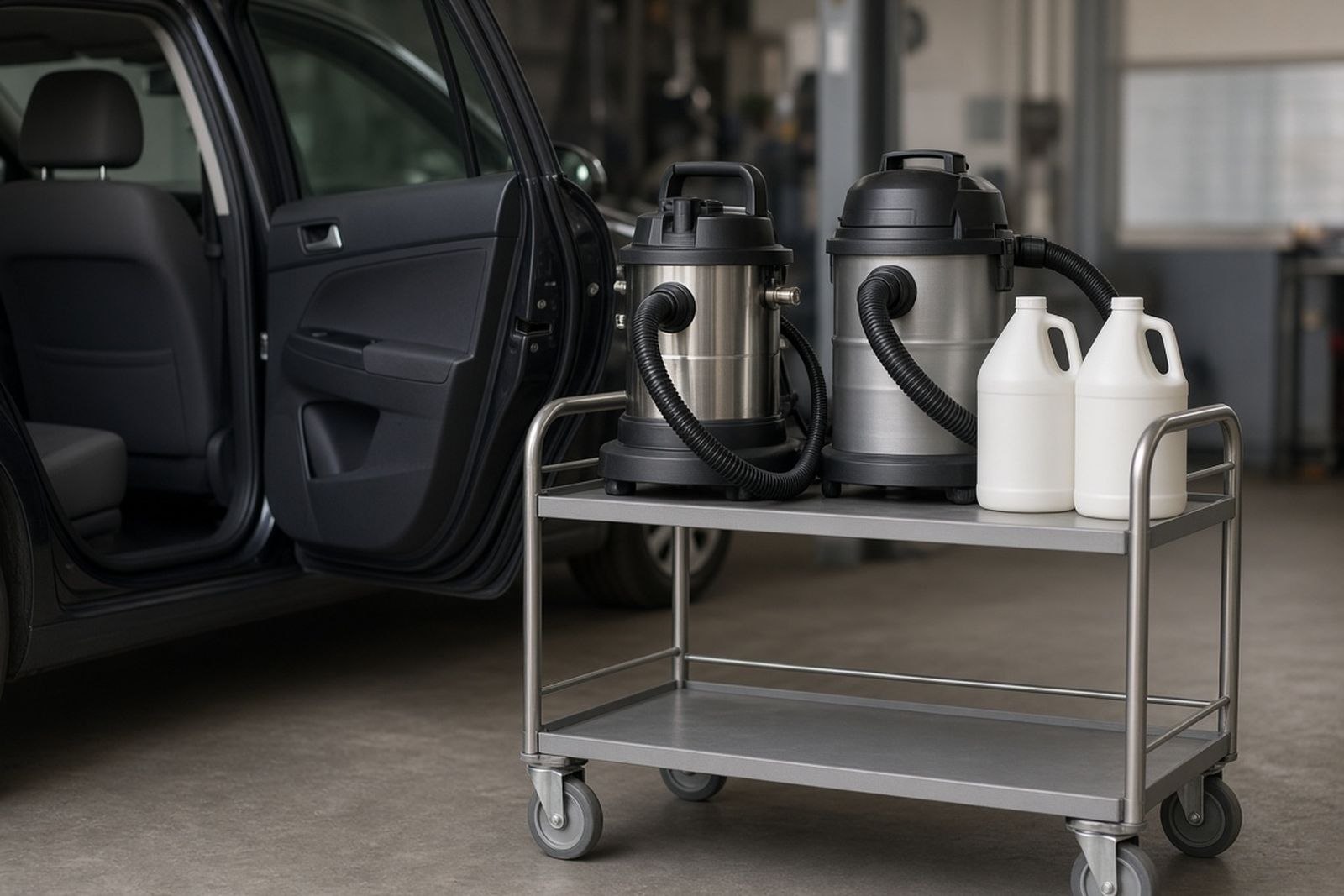
Professional crews work inside a covered bay with a sealed floor where possible. When they must work in the field, they set up containment under and around the vehicle, cover nearby drains with drain guards or mats, and use absorbents rather than water to collect liquids. They wipe, extract, and capture rather than flush.
Rinse water that does collect is contained and disposed of through appropriate channels. For ordinary cleaning water, that is often a sanitary sewer connection at a facility that permits it. For water contaminated with blood or other potentially infectious materials, local rules may require specific handling.
- Work in a covered, sealed bay when possible
- Cover nearby storm drains in field settings
- Use absorbents and extraction instead of hoses
- Contain and document any rinse water
- Never discharge cleanup water onto pavement or soil
Separating the waste streams
A vehicle cleanup may generate three or four kinds of waste, and each has its own path. Items contaminated with blood or other potentially infectious materials go to regulated medical or biohazard waste streams where local rules require it. Automotive fluids such as oil, coolant, fuel, and brake fluid go to used-fluid recycling or hazardous waste channels. Broken glass, trim, and uncontaminated parts may go to ordinary disposal or recycling.
Mixing streams causes problems. Biohazard waste mixed with automotive fluids can be refused by a disposal facility. Ordinary trash mixed with biohazard waste inflates the volume of regulated waste, which increases cost and resource use.
Good crews sort as they work. They bag and label regulated waste separately, absorb and containerize automotive fluids, and keep clean materials apart. Ask the provider which facility receives each stream; a careful crew will know.
Can less be removed without cutting corners?
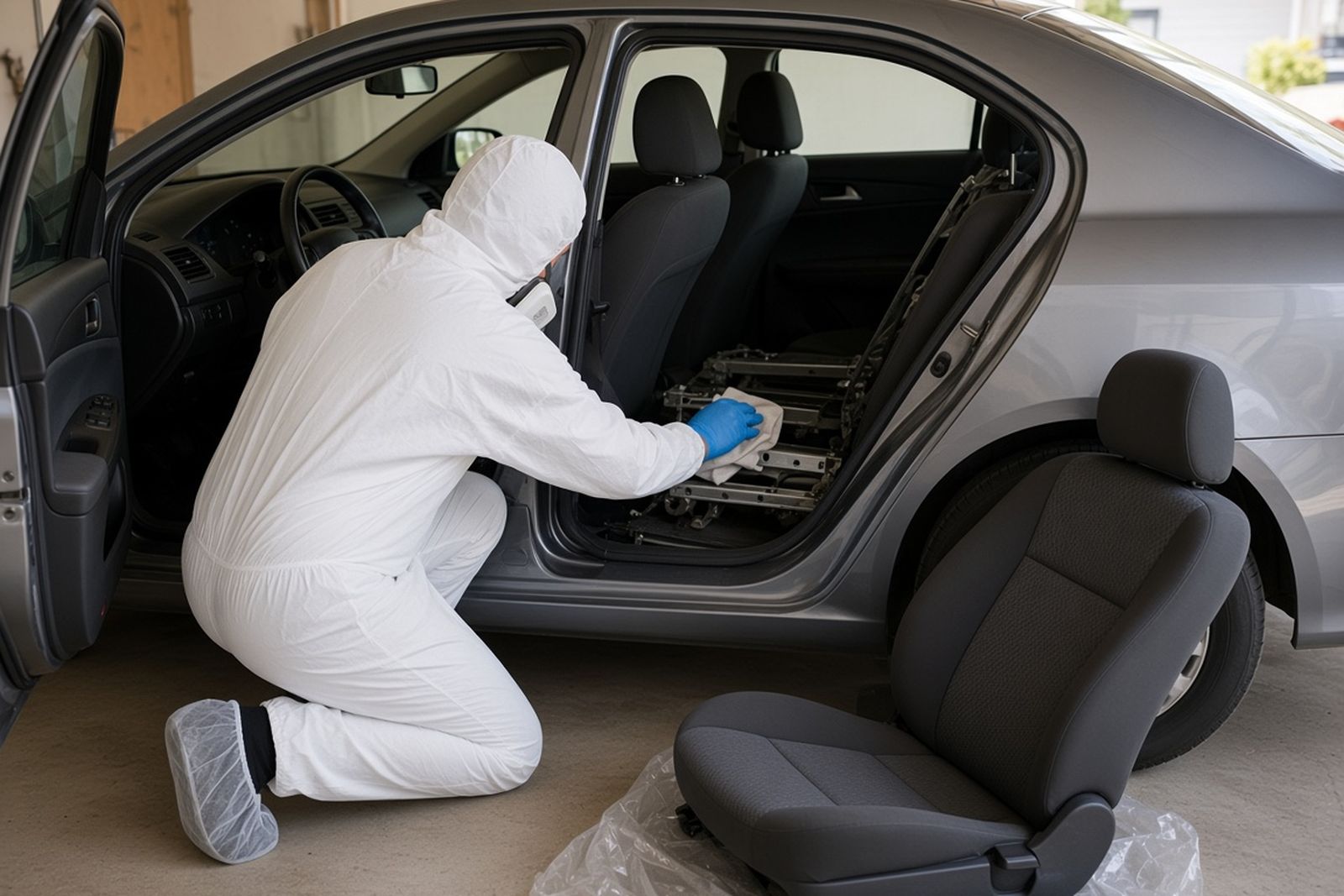
Yes, when the evidence supports it. Many components clean reliably. Hard plastic trim, vinyl and leather surfaces without penetration, metal seat frames, the floor pan, glass, and most dashboard surfaces can be cleaned and disinfected and returned to service.
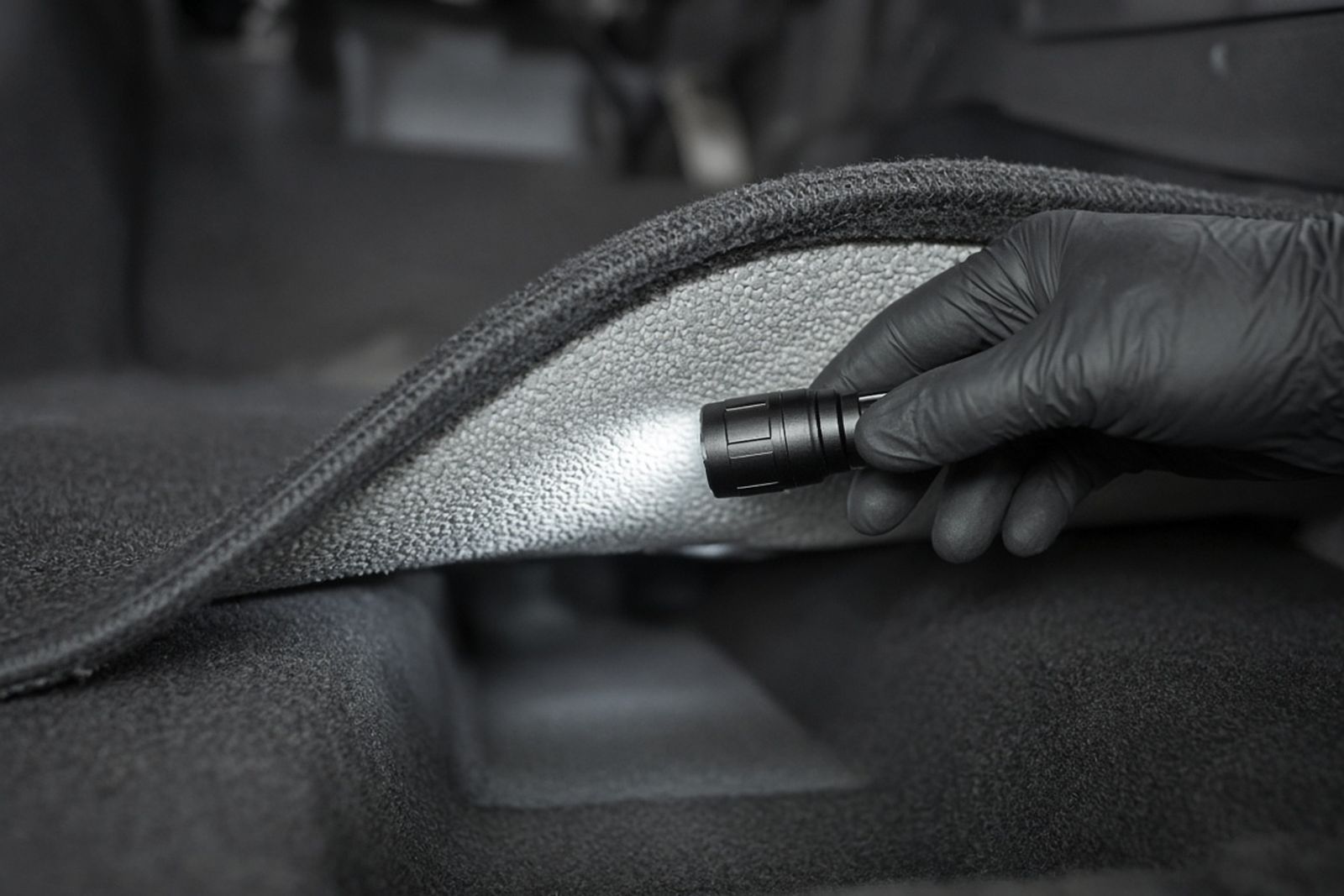
The key is careful inspection. Lifting carpet edges, unzipping seat covers, and checking under trim shows how far fluid actually traveled. A crew that inspects well can often save one side of the cabin while replacing the other, instead of gutting the whole interior.
What should not be saved are items that cannot be cleaned through their full depth, such as saturated seat foam, carpet padding, and headliner material that absorbed fluid. Seat belt webbing that has been contaminated should be replaced because it is a safety component and hard to clean reliably. Saving those items would trade a small environmental gain for a real health and safety risk.
Choosing and using disinfectants responsibly
Disinfectants are pesticides under federal law, and their labels are legal instructions. Using more product than the label calls for does not kill more organisms and can leave residue that harms interior materials and adds to indoor air in a small cabin.
Responsible crews choose products from EPA's registered lists that match the hazard. EPA maintains 13 active lists of registered disinfectants, including List H for MRSA and VRE, List G for norovirus, and List S for bloodborne pathogens, according to its 2025 listing. Picking the right list avoids using a harsher product than the situation requires.
They also clean before disinfecting. Organic soil reduces disinfectant performance, so removing it first means the product works as intended in a single application rather than several. After disinfection, surfaces are wiped or rinsed as the label directs, and the cabin is ventilated.
Fogging an entire cabin can make sense in some cases, such as when contamination was spread by aerosols or through the HVAC system. It should not replace hands-on cleaning, and it adds product to every surface whether it needs it or not.
Odor treatment chemicals
After a biohazard cleanup, a vehicle often needs odor treatment. That step can add fragrances, oxidizers, or ozone to a small, enclosed space.
Responsible providers treat odor at the source first. Once saturated materials are gone and surfaces are clean, the remaining odor is usually small. Carbon filtration and ventilation, a new cabin air filter, and a targeted treatment of vents often finish the job without heavy chemical use.
If ozone is used, it should happen in an unoccupied vehicle with a defined airing-out period. Ozone can age rubber seals and some plastics, so limiting exposure helps the vehicle as well as the air.
Air fresheners and scented sprays deserve caution in a vehicle. The cabin is small, windows are often closed, and the next driver breathes whatever was added. Fragrance that covers a missed source also invites repeat treatments, which means more product over time. A clean, neutral-smelling cabin is a better sign of good work than a strongly perfumed one.
A lower-impact job, start to finish
A rural pickup crash, sketched here as a teaching example rather than a real job, shows how the pieces fit. A pickup truck is involved in a single-vehicle crash on a rural road. The driver is injured and bleeds onto the driver's seat, door panel, and floor. The crash also cracks the radiator, and coolant leaks under the truck and into the footwell through a damaged firewall grommet.
The truck is towed to a repair shop that partners with a biohazard provider. The provider sets up in a covered bay with a sealed floor. Coolant under the truck is absorbed and containerized for fluid recycling. Inside, the technician finds blood in the driver seat foam and carpet, and a mix of coolant and blood in the footwell padding.
The seat, carpet, and padding on the driver side are bagged as regulated waste. The passenger side, inspected closely, shows no contamination and stays in place. Hard trim, the steering wheel, and the door panel are cleaned and disinfected with a product chosen from the appropriate EPA list. The floor pan is cleaned, dried, and checked for corrosion.
All rinse water from the cabin is captured with a wet vacuum and handled according to the facility's disposal arrangement. The owner receives a short report listing each waste stream and where it went.
Can removed parts ever be recycled?
Contaminated parts usually cannot be recycled, because recyclers will not accept biohazard-contaminated material and cleaning them to a safe standard would take more resources than it saves. Uncontaminated parts are a different story.
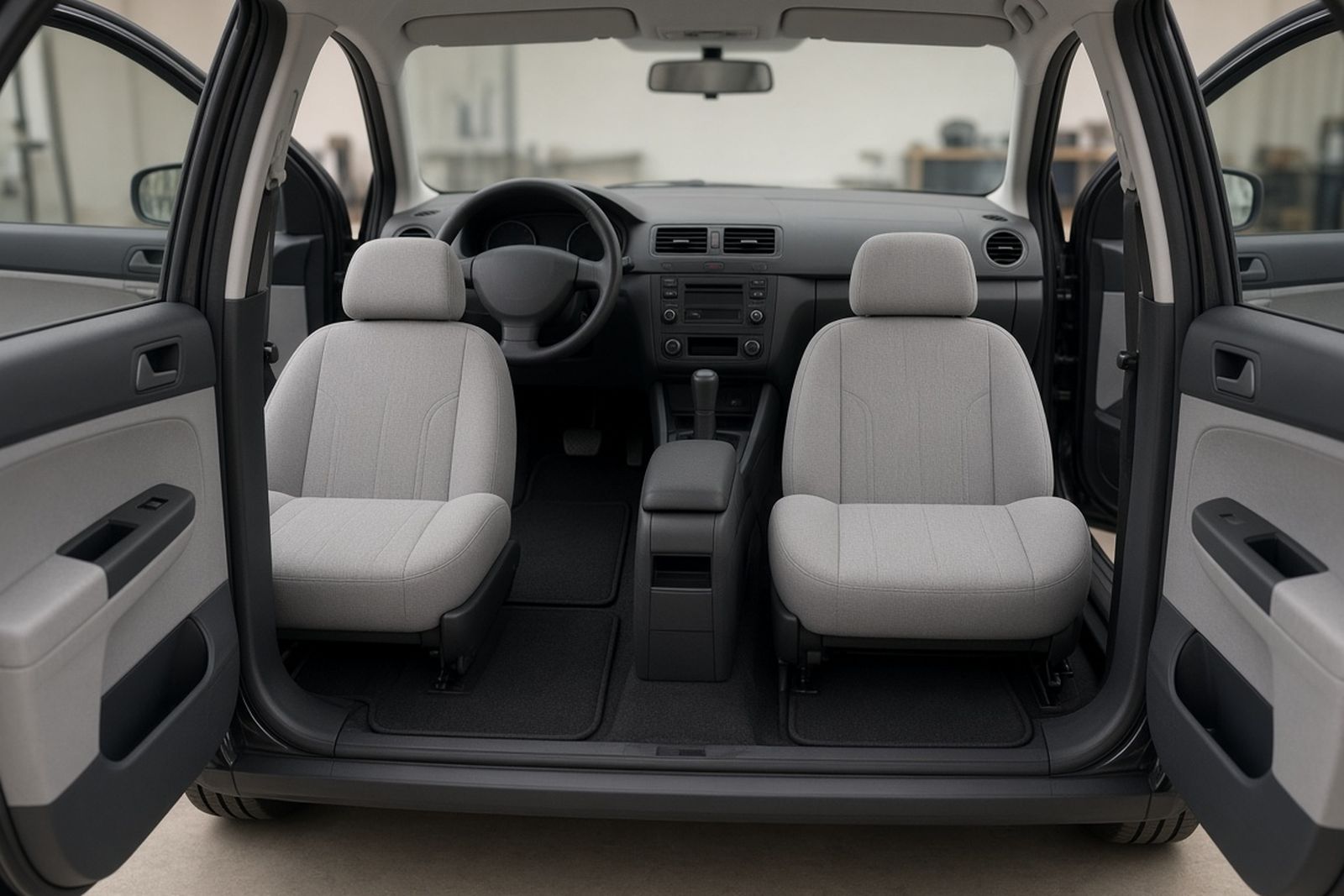
Metal seat frames that were cleaned, undamaged trim, and components removed only for access can often be reinstalled. Parts removed from the vehicle that were never contaminated, such as a rear seat pulled to reach a hidden area, go back in rather than into the waste stream.
When replacement parts are needed, used parts in good condition from salvage suppliers can be a lower-impact option, as long as safety components such as seat belts and airbag-related parts meet the manufacturer's requirements.
Packaging matters as well. Replacement seats and carpet sets often arrive in large cartons and plastic wrap. Providers who return or recycle that packaging, and who order parts in consolidated shipments when a fleet has several vehicles to repair, trim waste that has nothing to do with the biohazard itself.
Questions to ask a provider about environmental practices
Ask where they will do the work and how they will protect drains. Ask how they separate biohazard waste from automotive fluids and ordinary trash. Ask how they decide which parts to remove and which to save. Ask which disinfectant they plan to use and why it fits your situation.
A provider who answers clearly and can show you disposal records is likely to handle the job carefully. Vague answers about where waste goes, or plans to hose out the vehicle, are reasons to keep looking.
If the incident involved a death or serious injury, it is fine to hand these questions to a trusted friend or family member. The work can be done responsibly without you having to manage every detail.