Short answer
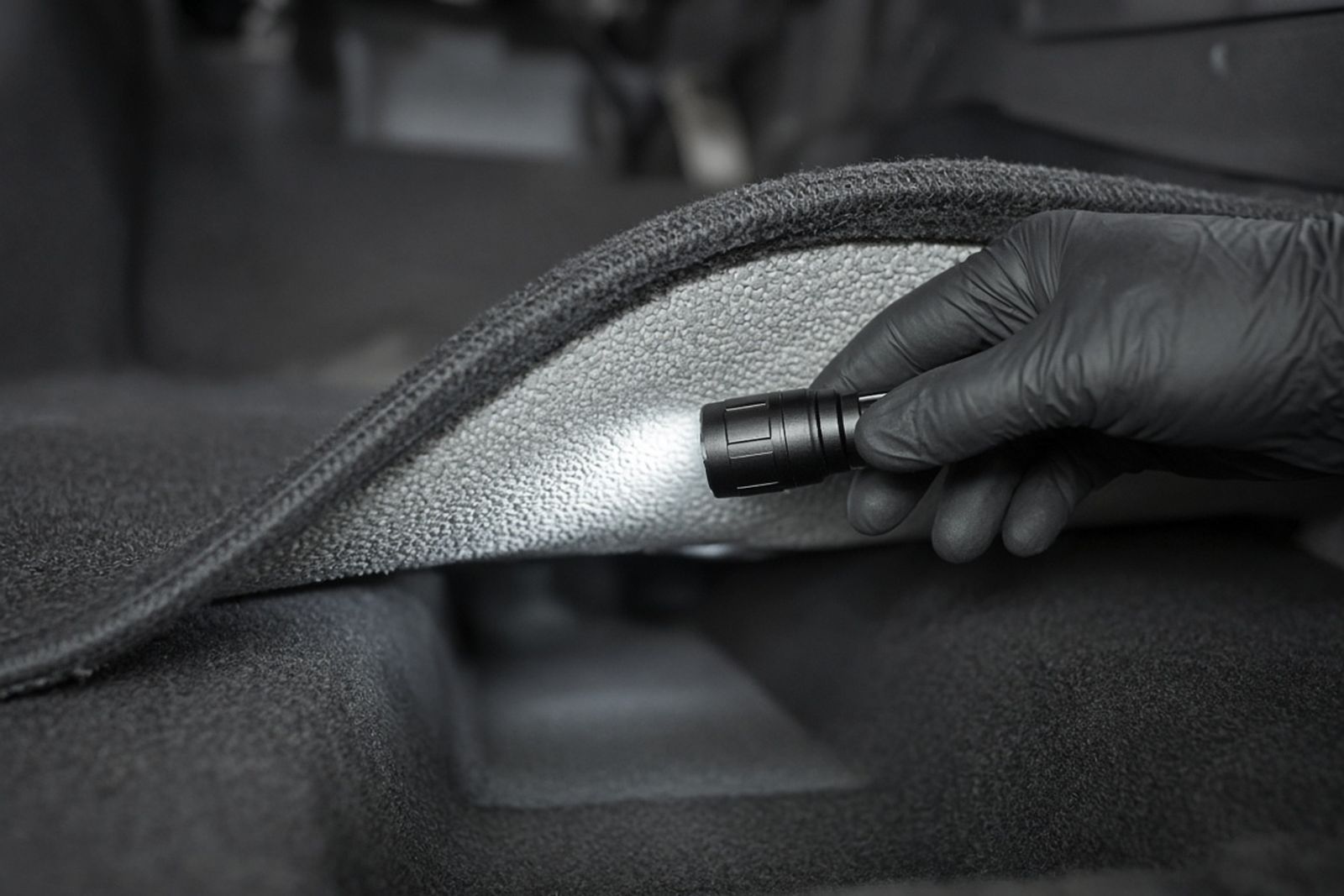
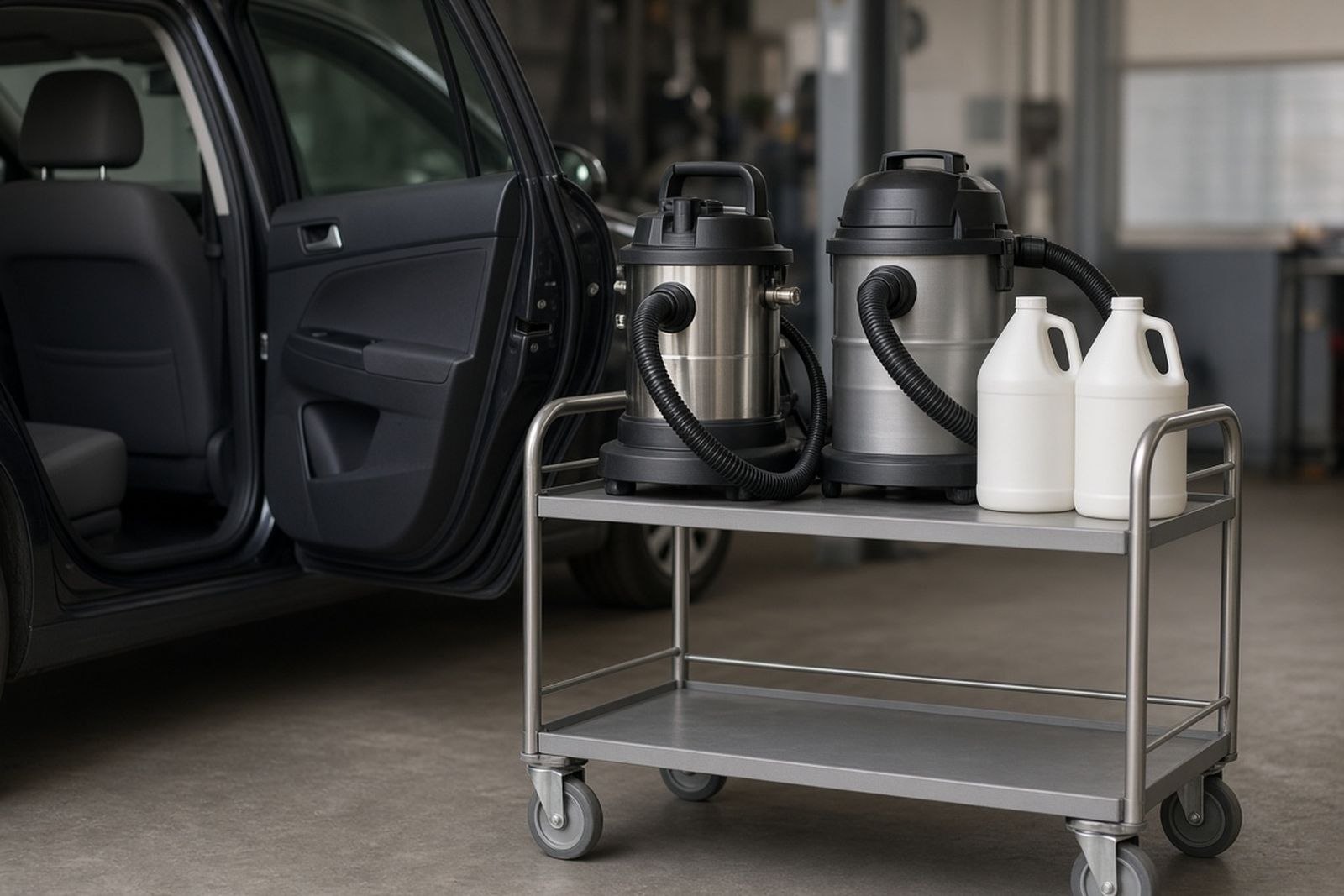
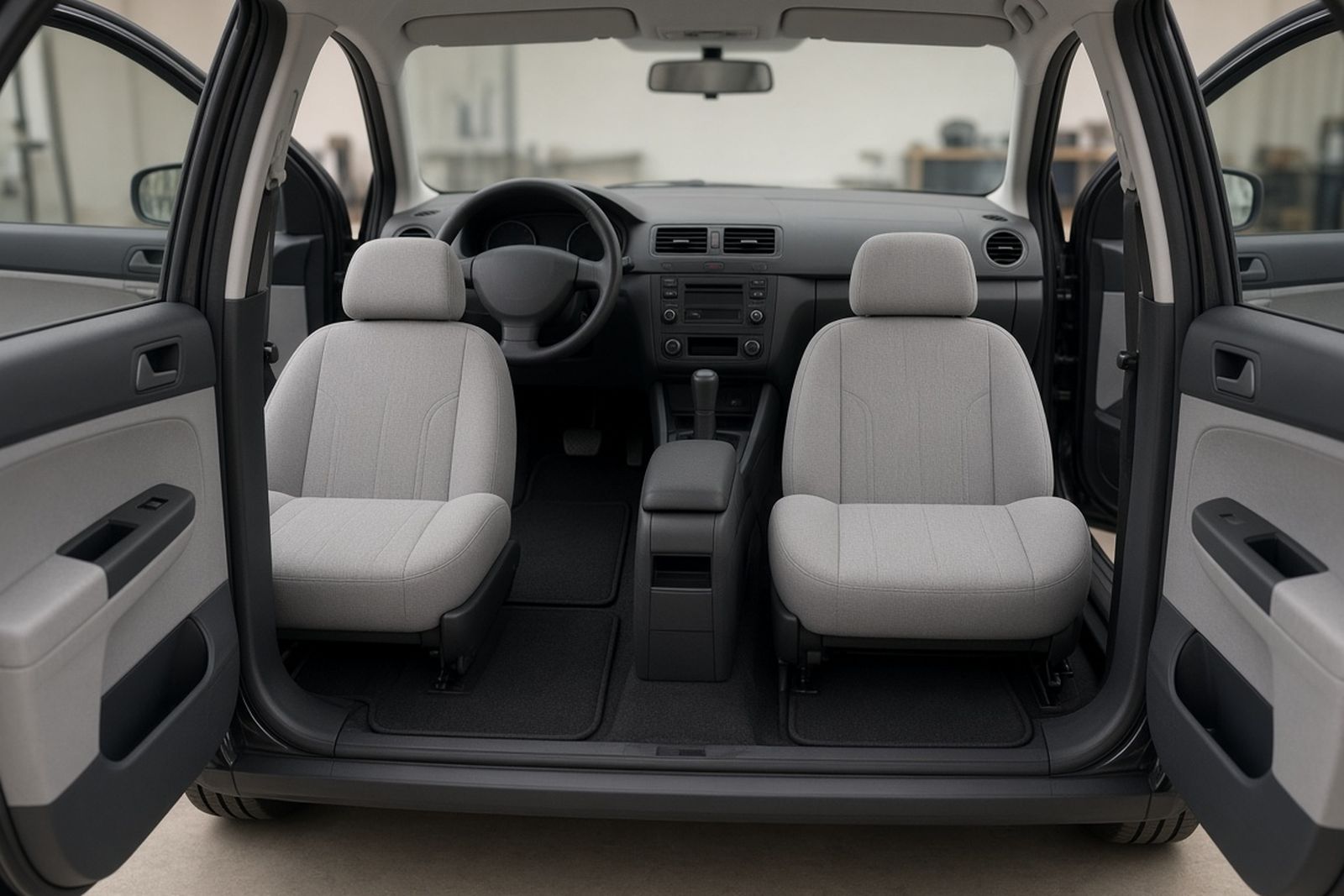
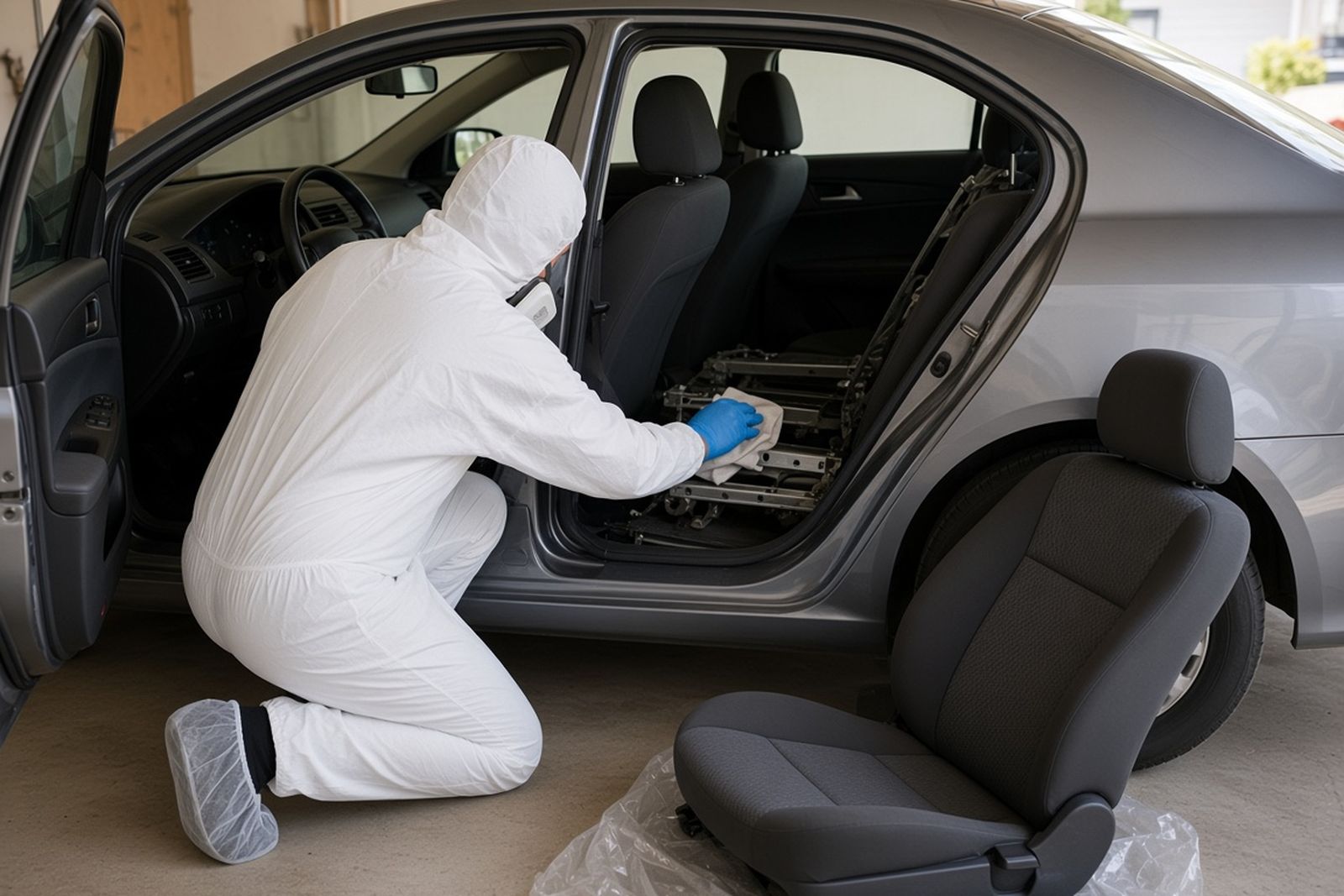
Commercial and personal vehicle biohazard cleanups use the same core steps: inspect, remove saturated parts, clean, disinfect, dry, reassemble, and verify. Commercial jobs add pressure to return vehicles to service, larger cabins such as buses and vans, employer safety duties for drivers and staff, and more documentation. Personal vehicle jobs lean more on privacy, family decisions, insurance claims, and belongings left inside.
Where the line between commercial and personal falls
For this discussion, a personal vehicle is one owned or leased by an individual or family and used mainly for private travel: the household sedan, SUV, minivan, or pickup. A commercial vehicle is one used for business, whether it belongs to a company fleet, a transit agency, a school district, a rental agency, or an independent driver who carries passengers or goods for pay.
The line is not always sharp. A rideshare driver's personal car becomes a commercial workspace every time the app is on. A contractor's pickup may carry both family and tools. When a biohazard incident happens, the use of the vehicle at that moment often shapes who pays, who needs records, and how fast it must return to the road.
The cleanup science stays the same across both. Blood, vomit, urine, feces, and other potentially infectious materials behave the same way in a school bus as they do in a family car. What changes is scale, pressure, and paperwork.
Commercial incidents
Commercial vehicles see a wide range of events because so many people use them. Passengers become ill on buses, trains, and shuttles. Rideshare and taxi drivers deal with vomit after late-night trips. Delivery and service drivers are injured in crashes or while loading. Paratransit vans handle medical incidents. Rental cars are returned with contamination that the renter did not report.
Work driving carries real risk. In 2024, according to BLS, roadway incidents involving motorized land vehicles killed 1,146 U.S. workers, making them the largest subcategory of transportation fatalities. Behind many of those numbers is a company vehicle that needs careful handling after the investigation ends.
Some commercial incidents are repeated and predictable, such as motion sickness on tour buses or bodily fluids in paratransit vehicles. Fleets that plan for those events can respond faster and with less disruption.
Personal vehicle incidents
Personal vehicle cleanups often follow painful events. A family member suffers a medical emergency while driving. Someone is injured in a crash and bleeds inside the car. A person dies in their vehicle and is not found right away. A suicide happens in a car parked at home or in a remote location. Less serious events include a child's illness on a road trip or a pet accident.
These situations are personal in a way that fleet incidents rarely are. The vehicle may hold belongings, keepsakes, and memories. The owner or family may not want to see it again, or may want to keep it because it belonged to someone they loved.
A good provider handles these jobs with privacy and patience. They set aside personal items, avoid showing photos unless asked, and explain options without pushing a decision.
How does vehicle size and layout change the work?
A passenger car has a small cabin, a few seats, and one HVAC system. A transit bus, school bus, motor coach, or cargo van can have dozens of seats, long runs of floor covering, luggage racks, wheelchair lifts, partition walls, and multiple air systems. Each of those areas needs to be inspected, and contamination can travel further along a long floor or through a shared return air path.
Public transport cleaning research shows how much the vehicle type matters. A 2022 study by Kruszewska and colleagues on peracetic acid fumigation reported an overall reduction of 81.7% in buses. The authors measured general microbial load rather than a single biohazard event, but the results show that large vehicles respond differently to whole-cabin treatments and still need targeted cleaning where the incident occurred.
Large vehicles also need larger work areas, more technicians, and sometimes specialized lifts or ramps. Ask any provider whether they have handled your type of vehicle before.
Downtime: fleet vs family
For a fleet, every day a vehicle is out of service affects routes, deliveries, or revenue. Fleet managers often ask for on-site service at the depot, after-hours work, priority parts sourcing, or a loaner arrangement. Some keep a standing agreement with a provider so response begins quickly.
For a family, downtime is inconvenient but often less urgent than getting the job done right. The biggest delays in personal vehicle cleanups usually come from police or medical examiner holds, insurance decisions, and parts orders rather than labor.
Independent drivers sit in between. A rideshare or delivery driver may lose income every day the car is off the road, but they also have the privacy and insurance concerns of a personal owner. Clear timelines help them plan.
Rental and car-share companies face a particular version of this problem. A contaminated vehicle may be returned after hours and sit in a lot until staff notice it, and the next customer may already be booked. Clear intake procedures, such as checking interiors at return and tagging any vehicle with suspected contamination, keep it off the rental line until it has been professionally cleaned.
Worker safety rules
When an employer expects workers to clean or handle blood and other potentially infectious materials, OSHA's Bloodborne Pathogens standard applies. That includes having a written exposure control plan, providing protective equipment, offering training, and making hepatitis B vaccination available. Fleet operators who ask drivers to clean up after passenger incidents should confirm they meet those duties.
Many fleets choose instead to have drivers stop, secure the vehicle, and call for professional service. That keeps drivers out of exposure and gives the fleet documented cleaning.
For personal vehicles, no employer is involved, but the same risks exist. Family members should avoid handling fluids, sharp objects, or saturated materials, and leave the vehicle closed until a qualified provider arrives.
Tow operators, lot attendants, and detailers can be exposed too. A tow driver who opens a contaminated vehicle to put it in neutral, or a dealership porter asked to move a trade-in, should know what signs to look for and when to stop. Businesses that handle vehicles from other owners benefit from a short written rule: if you see blood, bodily fluids, or needles, close the door, tag the vehicle, and report it.
Two calls, one afternoon: an illustrative comparison
The pair of calls below is an illustrative composite, not a real job, but it shows the contrast well. On the same afternoon, a provider receives two calls. The first is from a city transit agency: a passenger on a 40-foot bus had a serious nosebleed that spread across two seats, a stanchion pole, and the floor near the rear door. The second is from a woman whose elderly father had a fall and head injury in the driveway, then sat in his sedan waiting for help, leaving blood on the driver's seat, steering wheel, and door.
For the bus, the agency pulls the vehicle from its route and sends it to the depot. The crew removes the two affected seat inserts, cleans and disinfects the pole, floor, window, and nearby grab straps, checks the rear door threshold and the floor seam for pooling, and documents the work for the agency's maintenance system. The bus is back on a route the next morning.
For the sedan, the daughter wants the car cleaned but does not want to be present. The provider inspects the seat, finds that blood reached the foam at the seat edge, and recommends replacing the cushion. The steering wheel and door are cleaned and disinfected. The daughter's auto insurer asks for photos before parts are ordered. The car is returned several days later with her father's sunglasses and wallet set aside in a sealed bag.
Both jobs used the same methods. What differed was the urgency, the paperwork, and the human side of each call.
What documentation does each owner need?
Fleet and transit operators usually need detailed records: the vehicle number, date, location, scope, products used with their registration numbers, parts removed, waste records, and a completion sign-off. Those records support internal maintenance systems, regulatory reporting where it applies, and insurance claims.
Personal owners need records mainly for insurance and resale. Photos, a written scope, an itemized invoice, and a short completion statement are usually enough. If the vehicle will be sold, a factual summary helps answer buyer questions without sharing personal details.
Rideshare and delivery drivers may need records for their platform as well as their insurer. Ask what format the platform accepts before the job starts.
Choosing the right provider
Fleet managers should look for providers with experience on their vehicle types, the capacity to respond quickly, clear documentation practices, and willingness to work at the depot or after hours. Ask about their ability to handle multiple vehicles at once if an incident affects more than one.
Families should look for compassion, privacy, clear explanations, and experience working with auto insurers. Ask how the provider handles personal belongings and whether they can coordinate with the tow yard so you do not have to.
If the incident involved a suicide, it is okay to let the provider handle everything, and the 988 Suicide and Crisis Lifeline is available by call or text. Disposal of contaminated seats, carpet, and absorbent materials may be regulated, and a qualified provider should know how your state's medical waste program treats them.