Short answer
Enzyme and microbial products can help a vehicle cleanup by breaking down organic residue from vomit, urine, feces, and blood left in fabric, seams, and carpet after bulk removal. They need contact, moisture, and time, and they do not kill pathogens. In a biohazard job they follow removal of saturated parts and a registered disinfectant step, and they work best as a residue and odor finishing tool.
What enzyme and microbial cleaners actually do in a car
Enzyme cleaners contain proteins that speed up the breakdown of specific materials. Protease enzymes break down proteins found in blood and vomit, lipases act on fats and oils, amylases act on starches, and ureases work on urea from urine. Microbial cleaners contain beneficial bacteria, usually as spores, that produce similar enzymes once they land on organic residue with moisture.
In a vehicle, those products target the organic material that soaks into fabric, collects in seams, and settles into carpet backing. By breaking that residue into smaller, less odorous compounds, they reduce the source of lingering smells and stains that ordinary detergents may leave behind.
The result is not dramatic in minutes. These products work slowly and need the right conditions, which is why they are often used as part of a longer process rather than a quick wipe.
Vehicle interiors give these products a few extra challenges. Automotive fabrics are often treated with stain repellents that make liquid bead up instead of soaking in. Leather and vinyl can be damaged by prolonged moisture. Carpet is molded to the floor shape and backed by thick insulation. A technician who understands those materials chooses how much product to use and how long to leave it in place accordingly.
Incidents that are a good fit
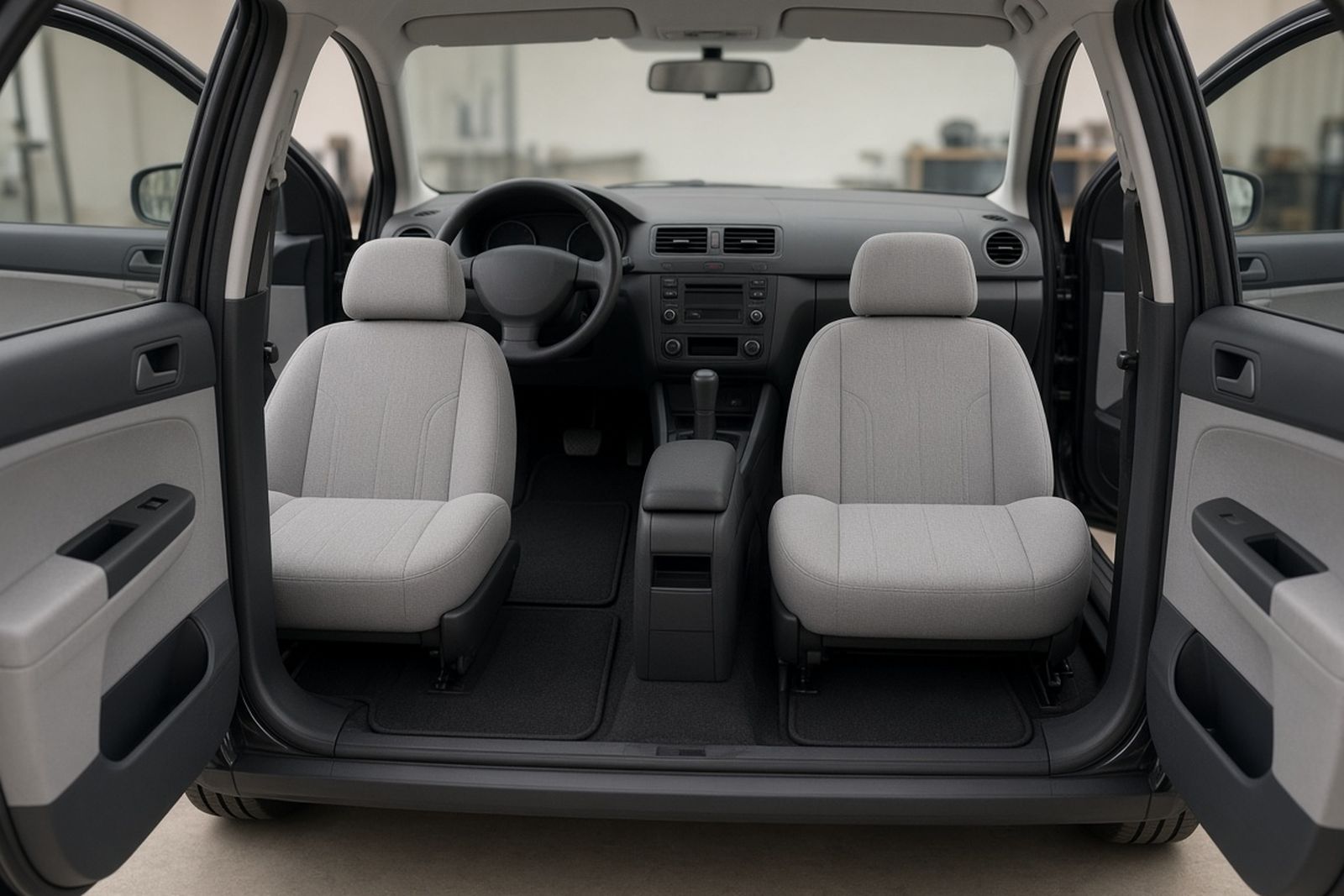
The best fits are incidents involving organic fluids on materials that can be kept once cleaned. A passenger vomiting on a cloth rear seat, a child's urine accident in a car seat base area, a pet accident on cargo carpet, or spilled milk that soured under a floor mat are typical examples.
After a larger event involving blood, bio-based products can help with light residue in fabric or seams that remain after saturated components have been removed and the cabin has been disinfected. They can also help with residual odor in carpet or trim that was not heavily affected.
Vomit deserves special care. CDC's outbreak guidance notes that norovirus can persist on surfaces for days or weeks and resists many common disinfectants. That means enzyme products, which do not disinfect, cannot be the only response when illness may be involved.
- Good fit: vomit, urine, pet accidents, and food or milk spills on keepable materials
- Supporting role: light residue in seams and fabric after a larger cleanup
- Poor fit: saturated foam, soaked carpet padding, and belt webbing
- No fit: fuel, oil, coolant, or smoke odors
Why enzymes can't save a soaked seat
Seat cushions are made of open-cell foam that absorbs fluid deep into its structure. When blood, urine, or vomit soaks through the cover into the foam, it spreads into places no product can reliably reach. Even a large volume of enzyme solution may not contact all of the residue, and pushing more liquid into the foam can spread contamination further.
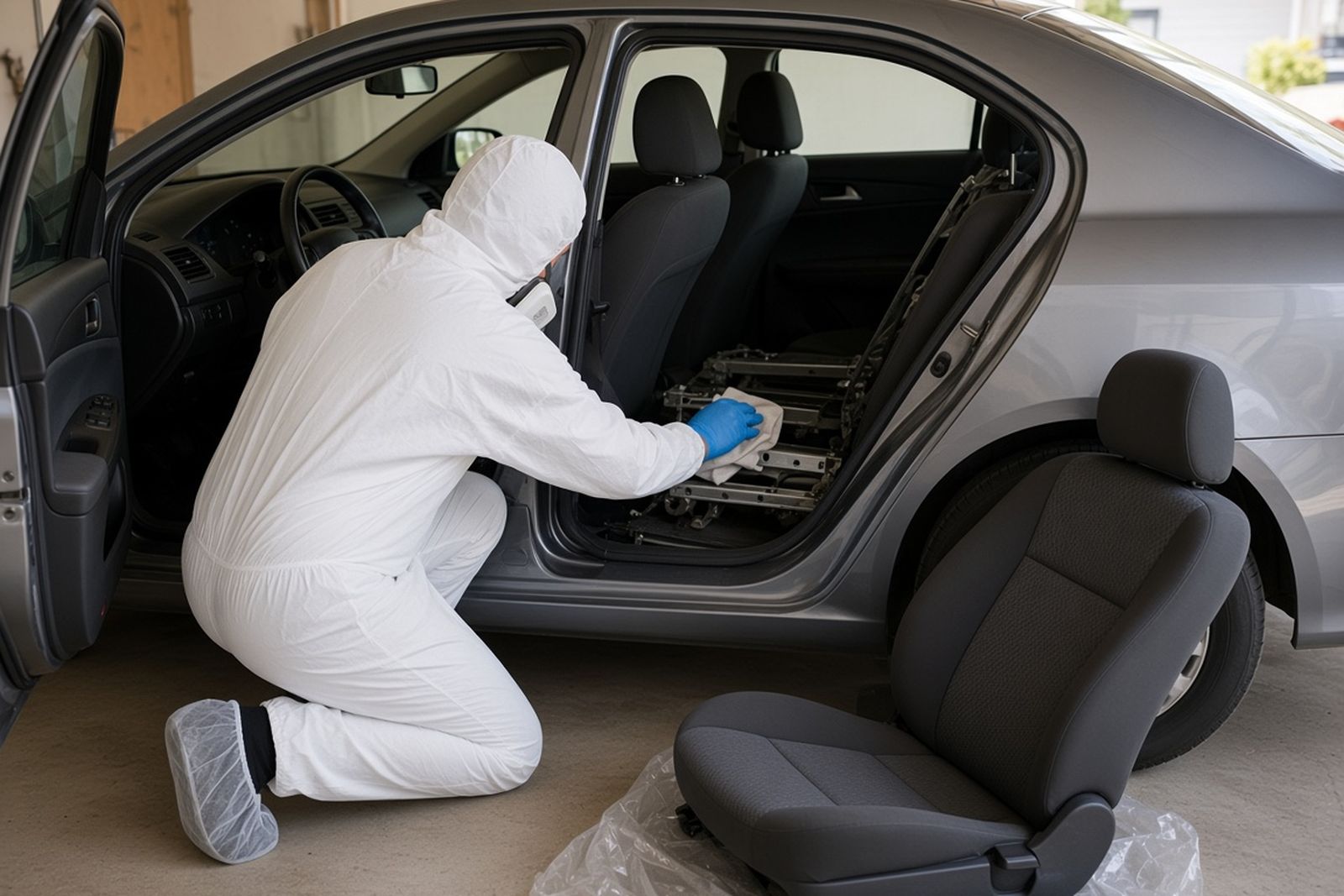
Foam also dries slowly, which can create a new odor problem and, in warm weather, a place for microbial growth. For those reasons, saturated seat foam, carpet padding, and similar materials are usually removed and replaced.
Seat belt webbing is another item that should not be treated and reused after contamination. It is a safety component, its woven structure traps residue, and aggressive cleaning can affect its strength. Replacement is the safer route.
Child safety seats raise a similar concern. Most manufacturers give specific cleaning instructions for the cover and harness, and many advise against soaking harness straps or using harsh chemicals on them. When a car seat is heavily contaminated, checking the manufacturer's guidance and considering replacement is safer than relying on an enzyme soak.
Where enzymes fit with disinfection, and what helps them work
Enzymes and beneficial bacteria are not disinfectants. They do not kill bloodborne pathogens, norovirus, or bacteria such as MRSA. Any vehicle cleanup involving blood or other potentially infectious materials needs a disinfection step with an EPA-registered product used at its label contact time.
The order of products matters. Disinfectants can kill the bacteria in microbial cleaners and may deactivate some enzymes. A common sequence is to remove saturated materials, clean to remove visible soil, disinfect with a registered product, rinse or wipe as the label directs, and then apply an enzyme product where residual organic odor remains.
In some cases, a technician may use an enzyme product before disinfection to loosen dried residue in seams or fabric. When that happens, the area is cleaned again and then disinfected. The key is that disinfection is never skipped.
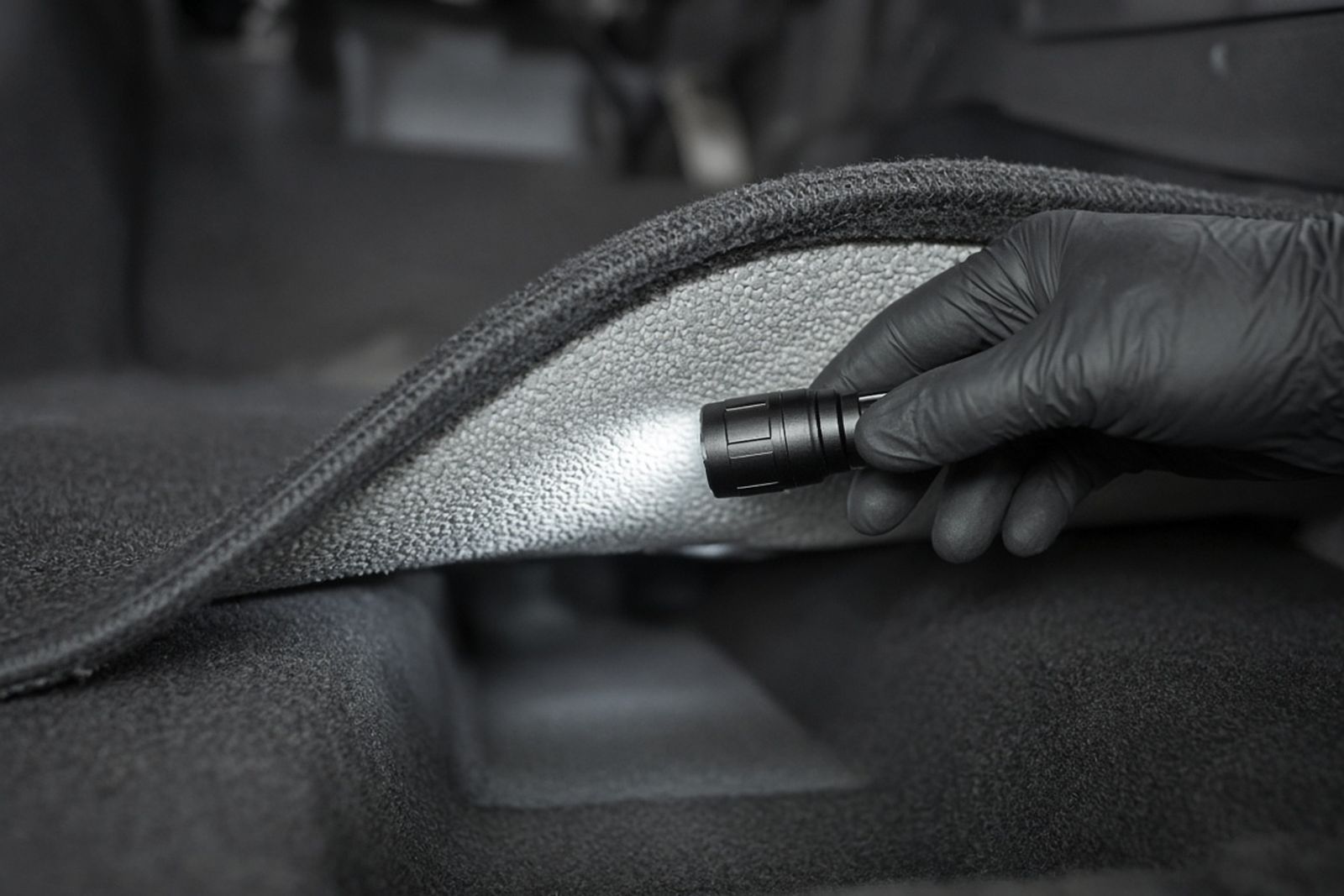
Contact is essential. The product must reach every spot the fluid reached. In carpet, that often means lifting the carpet to treat the backing and floor pan, not just spraying the surface.
Moisture and time come next. Enzymes and bacteria need the area to stay damp for the time the label specifies, which can range from several hours to a day. In a vehicle, that means keeping the cabin closed or covering treated areas, then drying thoroughly afterward.
Temperature matters. A cold vehicle in winter slows the process, while a hot cabin in summer can speed drying so much that the product stops working. Technicians often work in a climate-controlled bay for this reason.
Drying afterward is just as important. The floor pan, carpet backing, and any remaining padding must be fully dry before reassembly, or moisture can lead to corrosion under the carpet and musty odors.
One minivan, three treatments
The minivan job below is illustrative; the family is not a real client. A family's minivan carries three children home from a birthday party. One child becomes ill and vomits across the second-row captain's chair, the floor carpet, and the seat track. The parents clean what they can that night, but by the next afternoon the van smells sour and one of the parents is feeling sick as well.
A provider inspects the van. The seat cover is fabric, and a fold-back shows that liquid reached the foam at the front edge. The carpet is wet at the seat track, and the padding underneath is damp.
The seat cushion foam is removed and replaced. The carpet in that section is lifted, the padding is removed, and the floor pan and seat track are cleaned and disinfected with a registered product suited to norovirus. After the disinfectant is wiped away as the label directs, the carpet backing and the remaining fabric seat cover are treated with an enzyme product, covered, and left overnight before extraction and drying.
The family receives the van back with a new cushion and padding, a clean seat cover, and no sour smell. The enzyme step handled the residue that stayed in the keepable materials, while removal and disinfection handled the rest.
Can I use enzyme cleaners myself after a small incident?
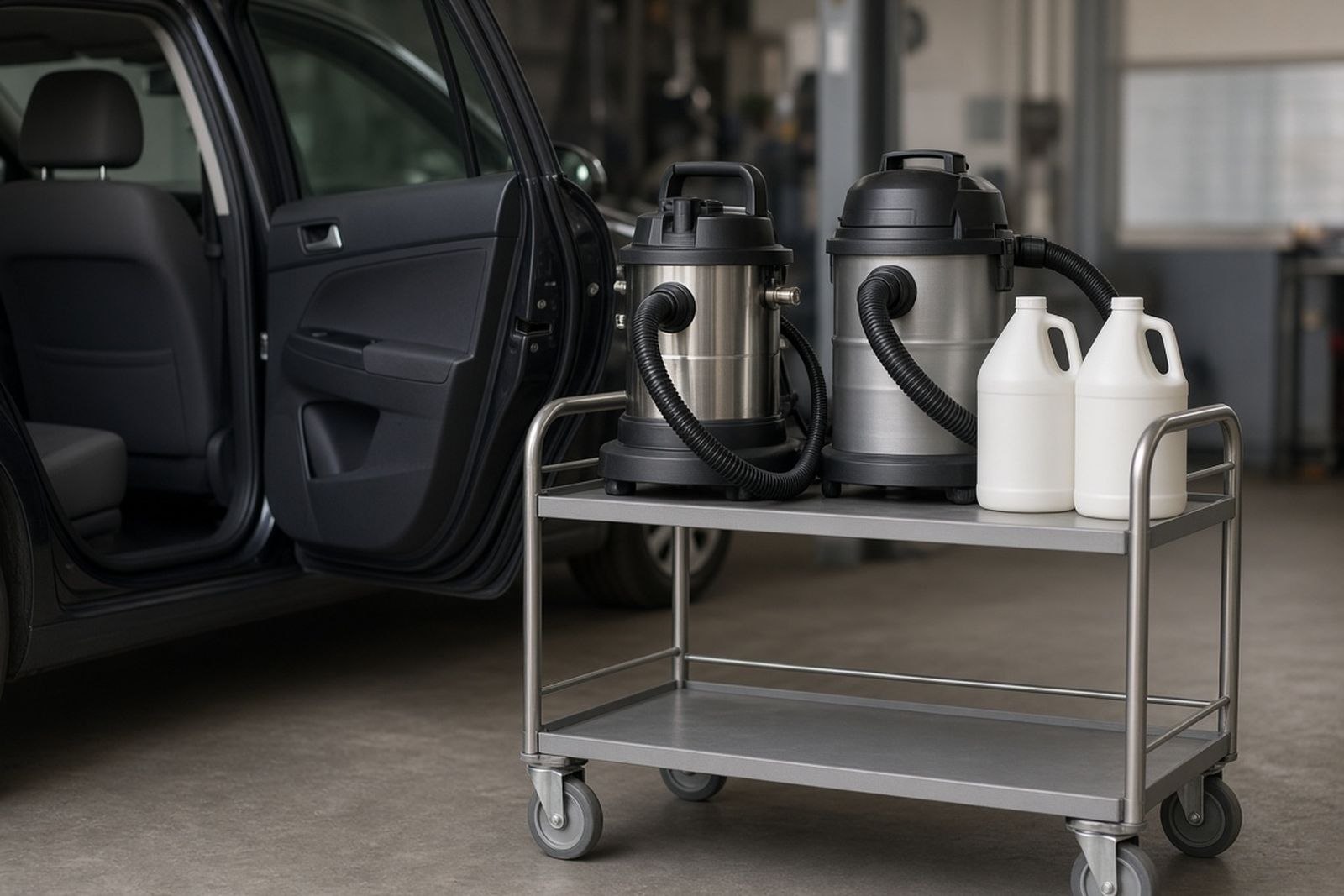
For small, fresh spills on washable floor mats or seat covers, consumer enzyme cleaners can help. Wear disposable gloves, remove solid material with paper towels, blot liquid, and apply enough product to reach as deep as the spill did. Keep it damp for the recommended time, then blot and let it dry with the windows open.
Do not mix enzyme products with bleach or ammonia cleaners, and avoid steam or very hot water on protein stains before treatment, which can set them.
If the incident involved blood, a lot of fluid, someone who was ill, or fluid that reached under the seat or into carpet padding, a professional cleanup is safer. Contaminated wipes, gloves, and materials should be bagged and disposed of properly.
Enzymes and lingering odor
Enzymes can help with lingering odor in many cases. Once saturated parts are removed and the cabin is disinfected, faint organic odors may linger in untouched fabric, seat seams, or carpet edges. An enzyme treatment can reduce those without adding heavy fragrance.
The HVAC system is a separate issue. If odor appears when the fan runs, the cabin air filter should be replaced and the vents and ducts treated. Enzyme products are not usually designed for duct systems, so providers use other methods there.
If odor persists after enzyme treatment, it usually means residue remains somewhere not yet treated, such as under trim or deeper in the carpet. More investigation, not more fragrance, is the answer.
Fleet and rideshare vehicles that see frequent minor incidents sometimes keep a bio-based product in their routine cleaning kit for floor mats and fabric. That can reduce odor buildup between deeper cleanings, as long as drivers understand it does not replace disinfection after any incident involving blood or illness.
Questions to ask a provider about enzyme treatments
Ask which materials they plan to treat with enzymes and which they plan to remove, and why. Ask how they will disinfect, which registered product they will use, and how the sequence avoids one product undermining another.
Ask how they will make sure the product reaches the full depth of contamination and how they will dry the vehicle afterward. A clear answer shows they understand both the chemistry and the vehicle.
Seats, carpet, and absorbent materials contaminated with blood or other potentially infectious materials may be regulated waste, which the provider should package, route, and document.