Short answer
If a vehicle has been contaminated with blood or body fluids, stop using it, park it somewhere secure and shaded, and keep people out. Confirm with police whether the vehicle is being held. Photograph the interior without touching affected areas, do not scrub or shampoo anything, cover exposed skin if you must reach in, and call a vehicle biohazard provider and your insurer.
The first few minutes
Take care of people first. If someone is injured or ill, call 911 and focus on getting them help. The vehicle can wait.
Once everyone is safe, stop using the vehicle for anything other than moving it to a safe spot. Driving it around with contamination inside spreads material through the cabin and makes cleanup harder. If you must move it, cover the driver's seat and steering wheel with clean plastic or a sheet and drive only as far as needed.
If police, emergency medical services, or a medical examiner were involved, ask whether the vehicle is being held as part of an investigation. Do not clean, remove items, or allow anyone else to until you know it has been released.
Take a breath. You do not need to solve everything in the next hour. Securing the vehicle and making a few calls is enough for now.
Parking and securing the vehicle
Choose a location that is safe, out of direct sun if possible, and where children, pets, and passersby cannot get into the vehicle. A garage, carport, or shaded corner of a lot works well.
Heat matters. A closed car in the sun gets very warm inside, which speeds odor development and can drive contamination into foam and fabrics. Shade and a cracked window, if security allows, help.
Lock the doors and keep the keys with you. If the vehicle is a rideshare or fleet vehicle, take it out of service in the app or dispatch system so no one is assigned to it by mistake.
If the vehicle cannot be moved safely, ask a towing company that is told in advance about the contamination to relocate it. Some biohazard providers can arrange towing directly.
Is it safe for me to touch anything inside?
Treat all blood and body fluids as potentially infectious. Some pathogens remain active on surfaces for a long time. According to HIV.gov in 2014, Yale researchers found that hepatitis C virus can remain infectious on surfaces for up to 6 weeks at room temperature.
If you need to retrieve something important, such as a wallet, phone, or medication, from an unaffected area, wear disposable gloves and avoid contact with any stained surface. Wash your hands thoroughly afterward.
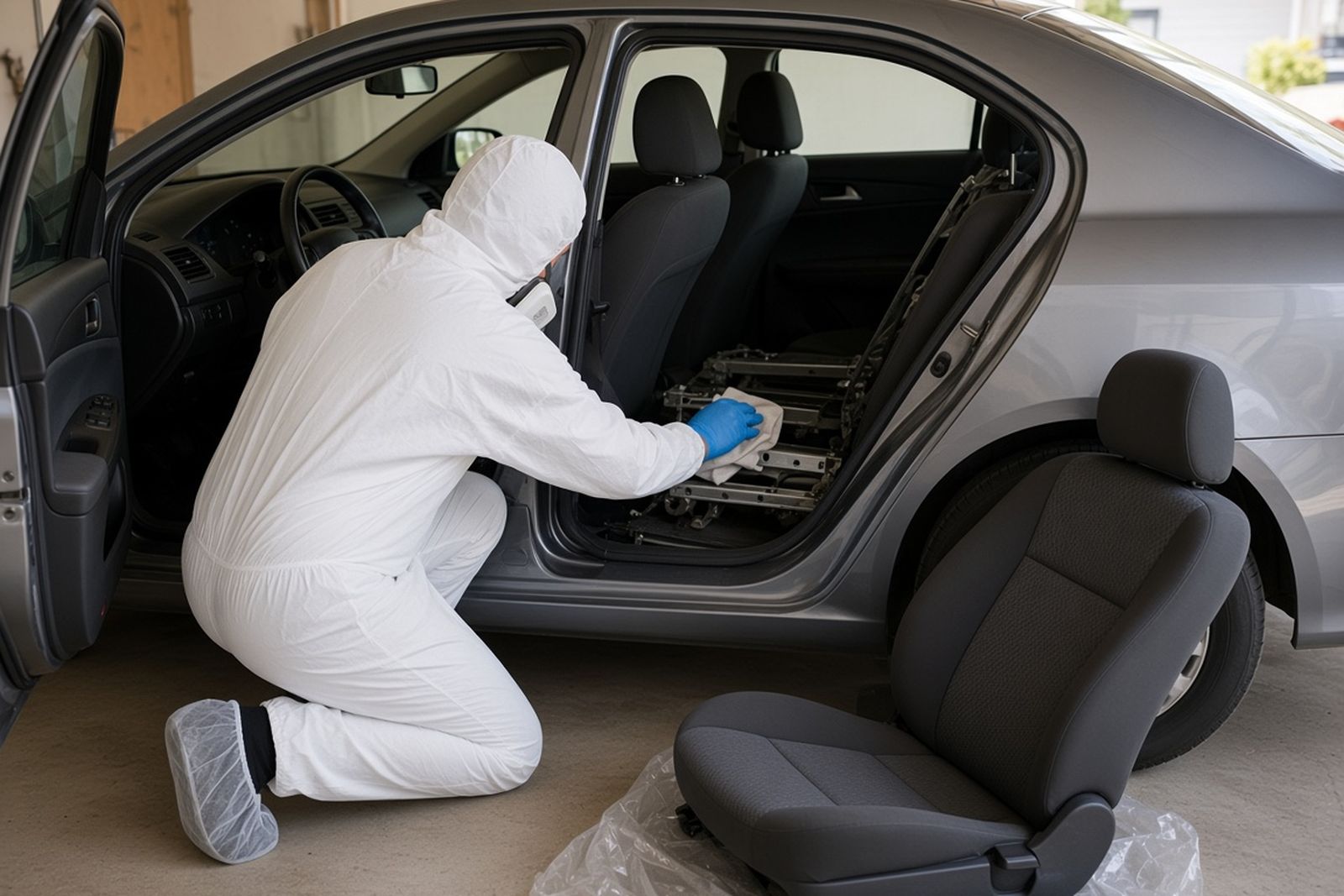
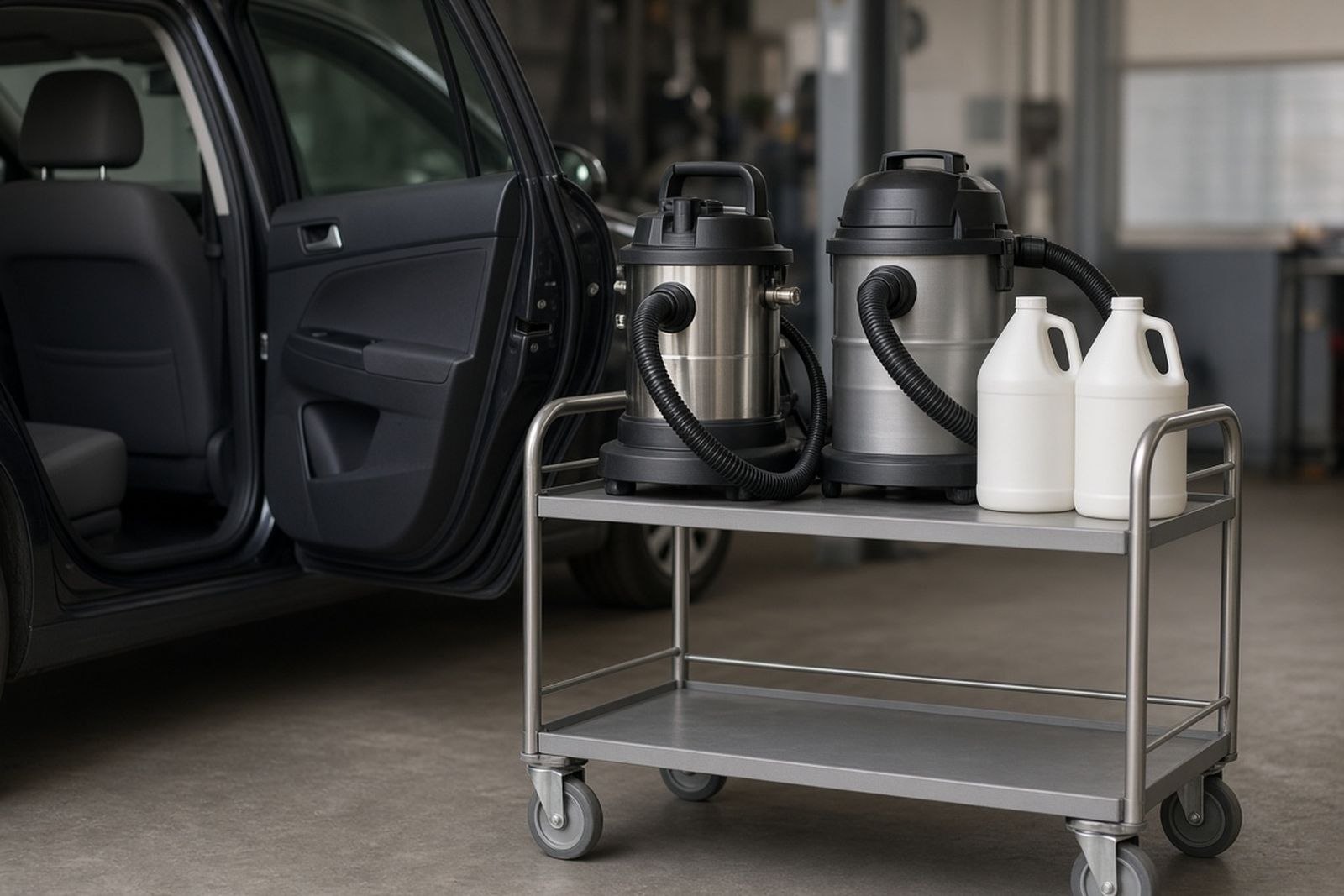
Do not attempt to remove seats, lift carpet, or clean contaminated areas yourself. Those tasks require protective equipment, suitable disinfectants, and a regulated waste route.
If you do come into contact with blood or body fluids through a cut, your eyes, or your mouth, wash the area right away and contact a healthcare provider promptly.
What to avoid before help arrives
The instinct to clean right away is natural, especially when the vehicle holds painful associations. Resist it. Most do-it-yourself steps make professional cleanup harder and more expensive.
Paper towels and old blankets tossed over a stain may seem harmless, but they can wick fluid across a wider area and leave the provider with more material to remove. If you want to cover something so it is not visible, lay a clean plastic sheet over it instead, without pressing down.
Also resist the urge to throw away items like floor mats or child car seats right away. A provider may be able to clean some items, and your insurer may want to see what was damaged before anything is discarded.
- Do not shampoo, steam clean, or scrub seats or carpet; liquid pushes contamination deeper into foam and padding
- Do not use household bleach on upholstery or electronics; it can damage materials without reaching absorbed fluid
- Do not spray air freshener or leave scented products in the cabin
- Do not run the air conditioning or heat on recirculate
- Do not throw contaminated items in household trash
- Do not take the vehicle to a car wash or detail shop without telling them what happened
Documenting the vehicle
Photographs help your insurer, the cleanup provider, and anyone else who needs to understand what happened. Take them before anything is moved or cleaned, as long as you can do so safely without entering the cabin.
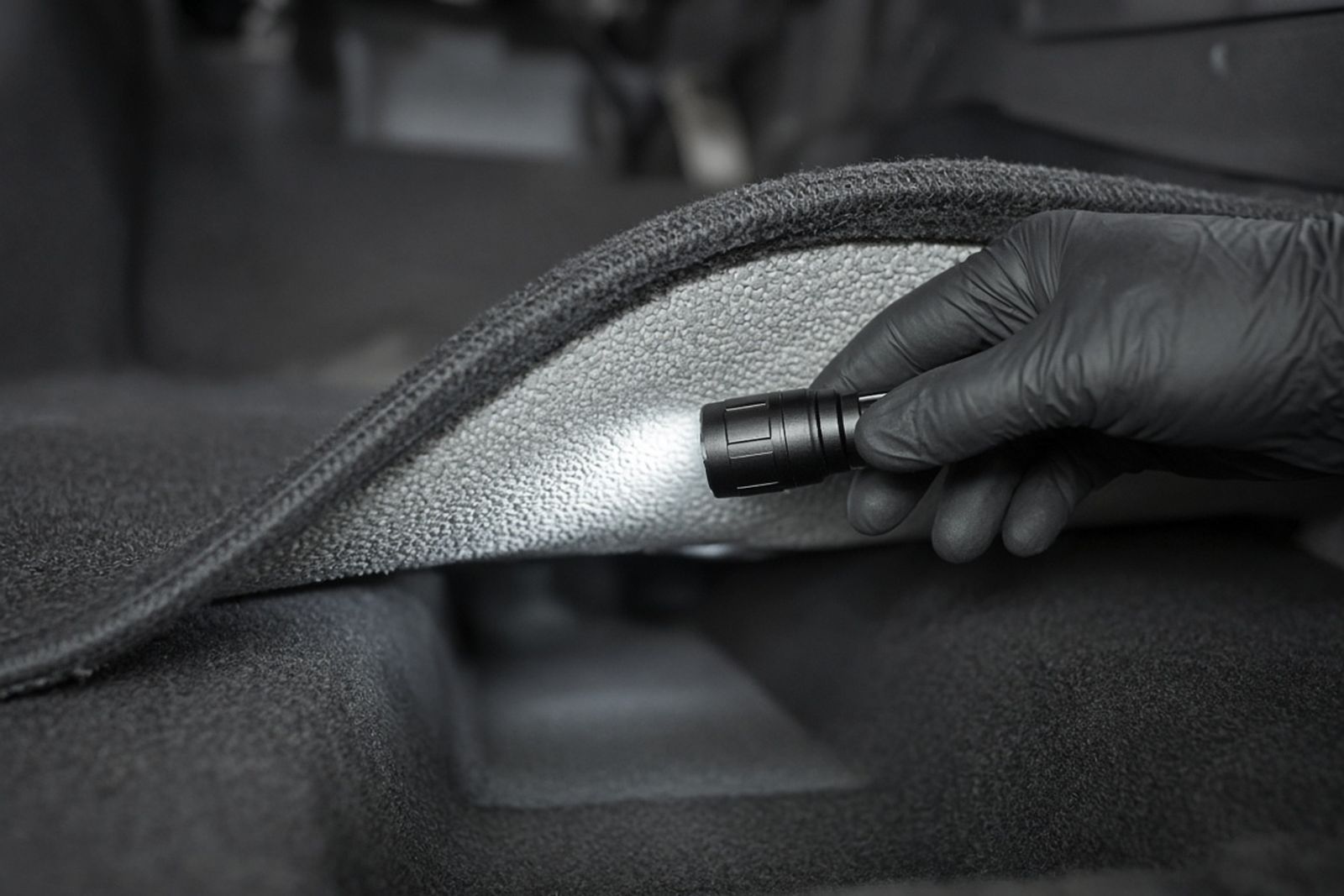
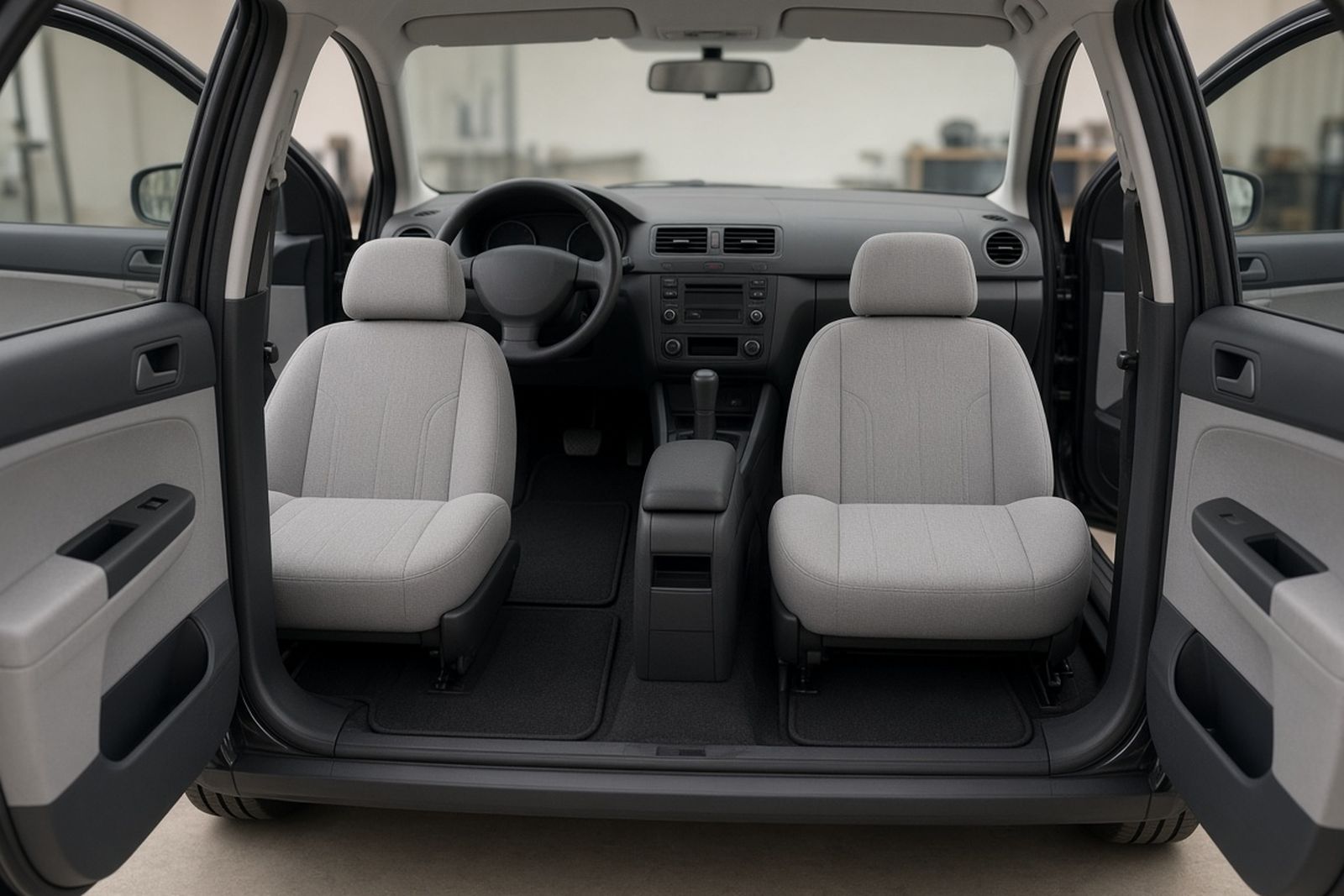
Photograph from each open door, then take closer shots of visible stains on seats, belts, carpet, door panels, and the headliner. Include a photo of the odometer and the VIN if you can reach them without touching contaminated surfaces.
Write down what happened, when, and who was involved, along with any incident or case numbers from police or emergency services. Keep the notes brief and factual.
If the situation is too distressing to photograph, ask a friend, family member, or the cleanup provider to handle it. There is no need to put yourself through it.
Store the photos and notes in one folder on your phone or computer, and back them up. You may need to share them with more than one party over the following weeks.
Whom should I call, and in what order?
The order depends on what happened, but a typical sequence keeps things moving without confusion.
When you call the provider, have the year, make, and model ready, along with a short description of which seats and areas are affected. If you can share photos by text or email, the provider can often give you a clearer sense of scope and timing before anyone arrives.
Keep a simple log of each call: the date, the person you spoke with, and what they said. It will help later if questions come up about the timeline or about what you were told.
- Emergency services, if anyone is hurt or ill
- Police or the medical examiner, to confirm whether the vehicle is released
- A vehicle biohazard cleanup provider, to arrange inspection and, if needed, towing
- Your auto insurance carrier, to report the incident and ask about coverage
- Your rideshare platform or fleet manager, if the vehicle is used for work
- A lender or leasing company, if the vehicle is financed or leased
The first morning, step by step
Put together, a calm response to something like a severe nosebleed in a cloth passenger seat follows a short sequence. The injured person is cared for first. Only the next day does anyone look closely at the car, and by then the blood on the seat, door panel, belt, and floor mat has dried.
The urge to scrub is strong, but a cloth seat and a seat belt are exactly the materials that should not be scrubbed at home. Instead, the car goes into a garage or shaded spot with a window cracked, and the passenger side is photographed from the open door.
Then come the calls: a vehicle biohazard provider, with photos sent ahead and a direct question about what should be cleaned versus replaced, followed by the insurer. A provider will often recommend replacing a contaminated belt, inspecting the seat foam, and disinfecting the hard surfaces before any work is scheduled.
How soon should cleanup happen?
As soon as practical once the vehicle is released. Delay allows fluids to soak further into foam and carpet and lets odor develop, especially in warm weather. Both increase the scope and cost.
That said, it is fine to take a day to get a proper inspection and a written scope rather than accepting a quick detail. A few days in a shaded, secured location is far better than a rushed job that leaves contamination behind.
If the vehicle is essential for work or family needs, tell the provider. Some can prioritize the job or suggest temporary steps, and your insurer may have rental options.
Winter brings its own concerns. Cold slows odor but can make some cleaning products less effective, and a vehicle that freezes and thaws may develop condensation under carpet. Tell the provider where the vehicle is parked so it can plan accordingly.
Support after a traumatic event
A contaminated vehicle is often the reminder of a frightening or painful event. It is normal to feel shaken, even days later.
Children who were in the vehicle may have questions or fears about riding in it again. Simple, honest answers and a little patience usually help, and a pediatrician can suggest resources if worries persist.
If the incident involved a suicide or self-harm, or if you are having thoughts of harming yourself, you can call or text 988 to reach the 988 Suicide and Crisis Lifeline at any hour. Talking with a counselor, a clergy member, or a trusted friend can also help.
Let professionals handle the vehicle so you do not have to. A good provider will confirm the release with the investigating agency and take care of the waste paperwork.