Short answer
Vehicular biohazard cleanup has moved from informal scrubbing by tow yards, dealers, and families to a specialty built on bloodborne pathogen training, registered disinfectants used by label directions, removal of saturated materials, regulated waste handling, and detailed records for insurers. Research on ambulance contamination and the growing complexity of modern vehicles both pushed the field toward more careful, documented methods.
From tow yards to trauma crews
For a long time, there was no clear answer to who should clean a car after a violent crash, a medical emergency, or a death inside it. Tow yards sometimes hosed out interiors. Dealers and body shops handled vehicles that came in for repair. Families were often left to deal with it themselves, sometimes with nothing more than household cleaners and a strong sense of duty.
That approach created two problems. The first was safety. People with no protective equipment or training were handling blood and other body fluids in tight spaces with sharp debris such as broken glass. The second was effectiveness. Surface scrubbing left contamination in seat foam, carpet padding, and seams that no one could see.
There was also an emotional cost. Asking a grieving parent or spouse to clean a vehicle where a loved one was hurt is a heavy burden. Much of the field's growth has been about taking that burden off families.
Law enforcement added another layer. When a vehicle was part of an investigation, it might sit in an impound lot for weeks before release. By the time a family got it back, fluids had dried and settled deeper into materials, and there was still no clear guidance on who should clean it or how.
Vehicle biohazard cleanup grew in the shadow of the broader trauma and crime scene cleanup industry. As companies began specializing in cleaning homes and businesses after deaths and violent events, they encountered vehicles as part of the same calls.
Those companies brought methods from structural work into cars: protective equipment, careful containment, removal of porous materials, disinfection, and regulated disposal. They also brought a service mindset that focused on discretion and compassion for families.
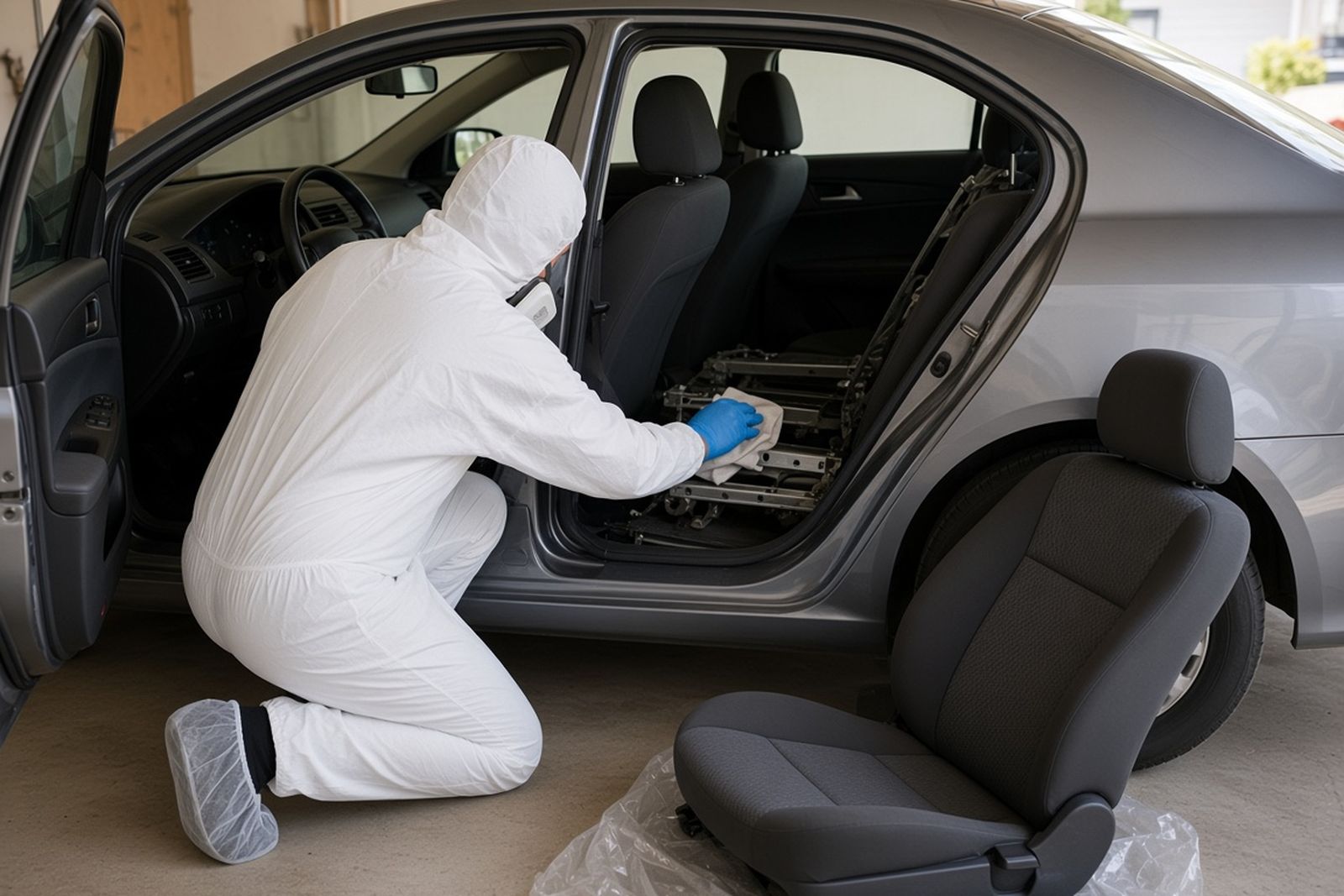
Over time, some providers began focusing on vehicles specifically, because the work requires different skills. Seats must be removed without damaging wiring and airbags, panels unclipped without breaking them, and small, enclosed spaces treated thoroughly. A trauma crew that was excellent in a house still had to learn how a modern car is put together.
What workplace safety rules changed
OSHA's Bloodborne Pathogens standard gave employers a framework for protecting workers exposed to blood and other potentially infectious materials. It requires an exposure control plan, protective equipment, hepatitis B vaccination offered to exposed workers, and training.
For vehicle cleanup, this meant professionalization. Companies that wanted to do the work properly had to invest in training, equipment, and written procedures. That set them apart from informal cleaners and gave clients a way to ask about qualifications.
It also changed how technicians approach each job. Instead of treating a contaminated vehicle as a dirty car, trained crews treat it as a potential exposure site, with protective gear, controlled work areas, and a plan for handling sharp debris and waste.
Waste rules developed alongside safety rules. As states refined how regulated medical waste must be packaged, stored, and transported, vehicle cleanup companies had to plan for the bulky, oddly shaped materials they removed. Seat cushions and carpet sections do not fit neatly into standard containers, so providers developed their own packaging practices within those rules.
- Written exposure control plans replaced informal habits
- Protective equipment became standard rather than optional
- Training gave technicians a shared understanding of hazards
- Exposure incident procedures protected workers after accidents
What ambulance research taught the field
Some of the most useful evidence about vehicle contamination comes from studies of ambulances, which are cleaned constantly and still struggle with it. Those studies showed how easily contamination spreads in a vehicle and how often ordinary cleaning falls short.
The practical lesson was that hands, gloves, and equipment carry contamination to door handles, controls, and surfaces far from the original source, so a vehicle cannot be cleaned by focusing only on the obvious spot.
Other research showed that a deliberate disinfection process makes a real difference. A 2018 study by Farhadloo and colleagues reported that the contamination rate on prehospital ambulances fell from 52% before disinfection to 8% afterward. Lessons like these shaped civilian vehicle work too: clean broadly, disinfect deliberately, and do not assume unseen surfaces are safe.
Precise disinfection, and removal over rescue
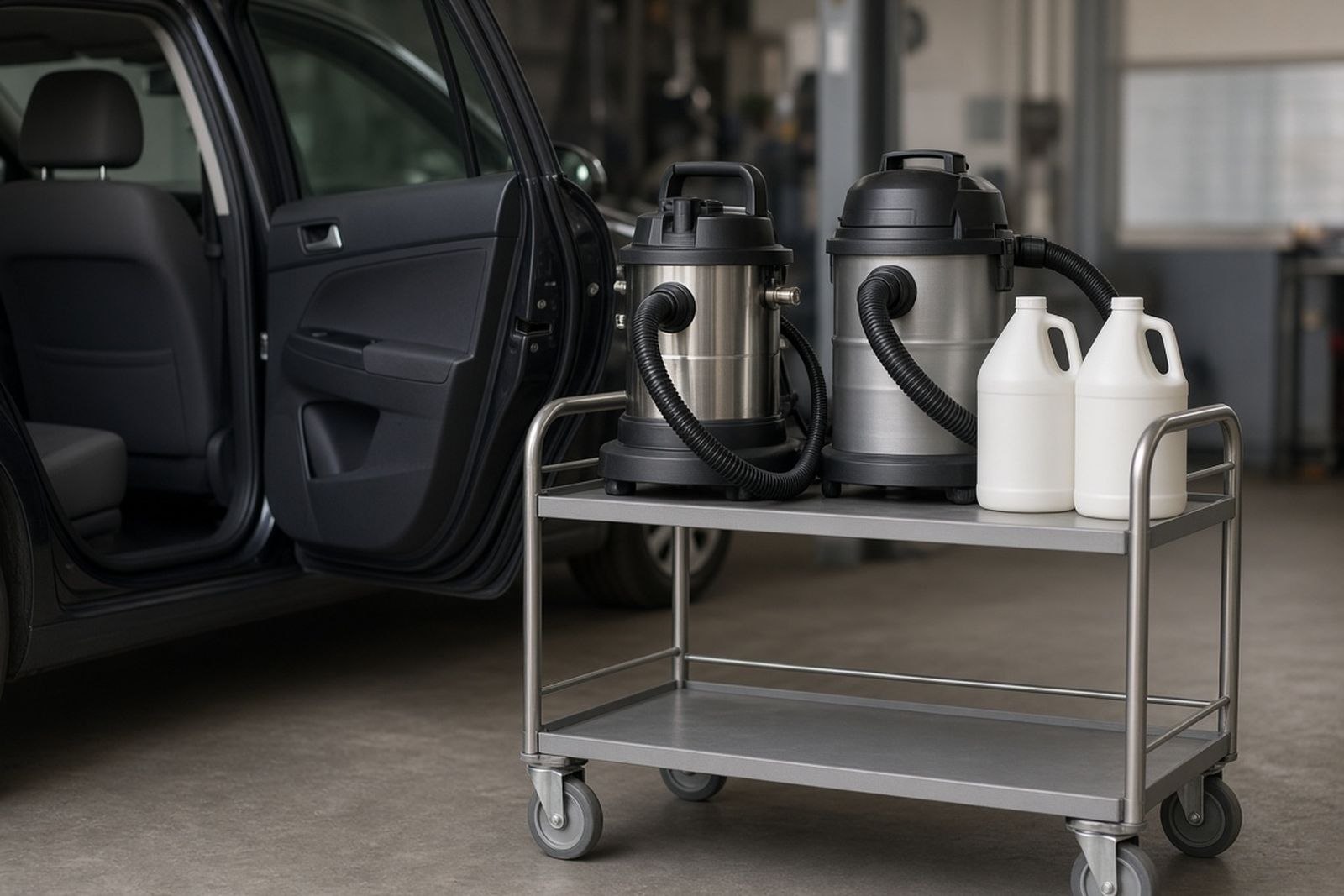
Early cleanup often relied on whatever strong cleaner was on hand. Today, professionals choose EPA-registered disinfectants with claims against the pathogens of concern and follow label directions, including the contact time the surface must stay wet.
Product labels made that selection easier, because a registered disinfectant's label names the pathogens it was tested against, such as bloodborne pathogens or norovirus, so providers can match a product to the situation. That shift moved the industry from strong smell equals clean toward a documented, product-specific approach.
Technicians also learned that cleaning must come first. Disinfectants work best on surfaces that have already been cleaned of visible soil. In a vehicle, that means removing residue from textured plastics, seat tracks, and seams before applying a disinfectant and letting it work.
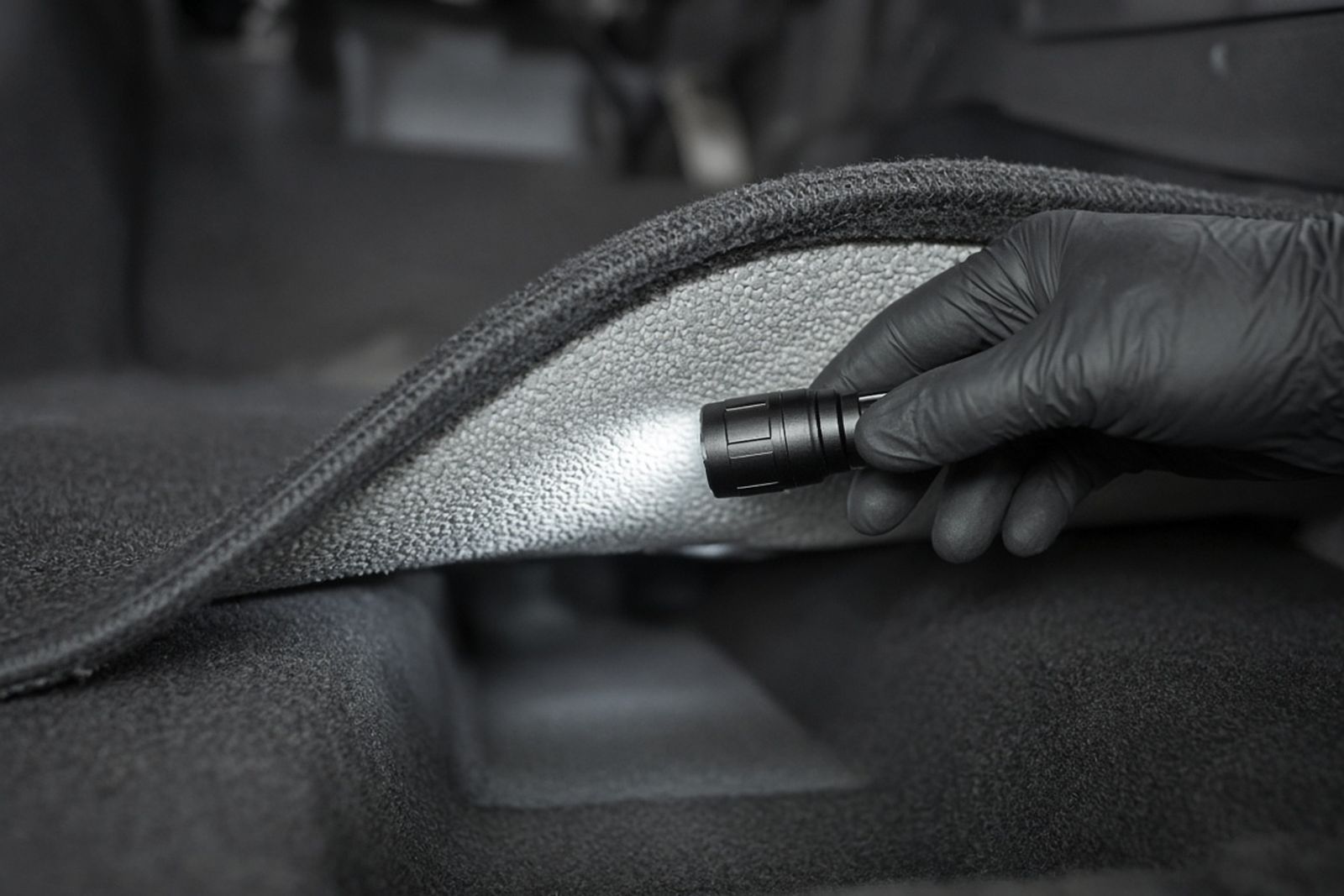
One of the most important lessons was that some materials cannot be made safe in place. Seat cushions, carpet padding, and headliner backing absorb fluids deep into their structure. Surface cleaning and even extraction may leave contamination behind.
As a result, modern vehicle cleanup often involves removing and replacing affected parts. Seat foam may be replaced, sections of carpet cut out and discarded, and contaminated seat belts replaced by a repair shop because they are safety equipment.
That shift made the work more expensive and more involved, but also more reliable. It also brought cleanup companies into closer contact with repair shops, dealers, and parts suppliers.
The removal-first approach also changed how providers talk with clients. Instead of promising that everything can be saved, a good technician now explains up front which parts will likely need replacement and why. That honesty helps families and insurers make decisions, such as whether repair makes sense or whether a total loss is the better route.
How modern vehicles made the work more complex
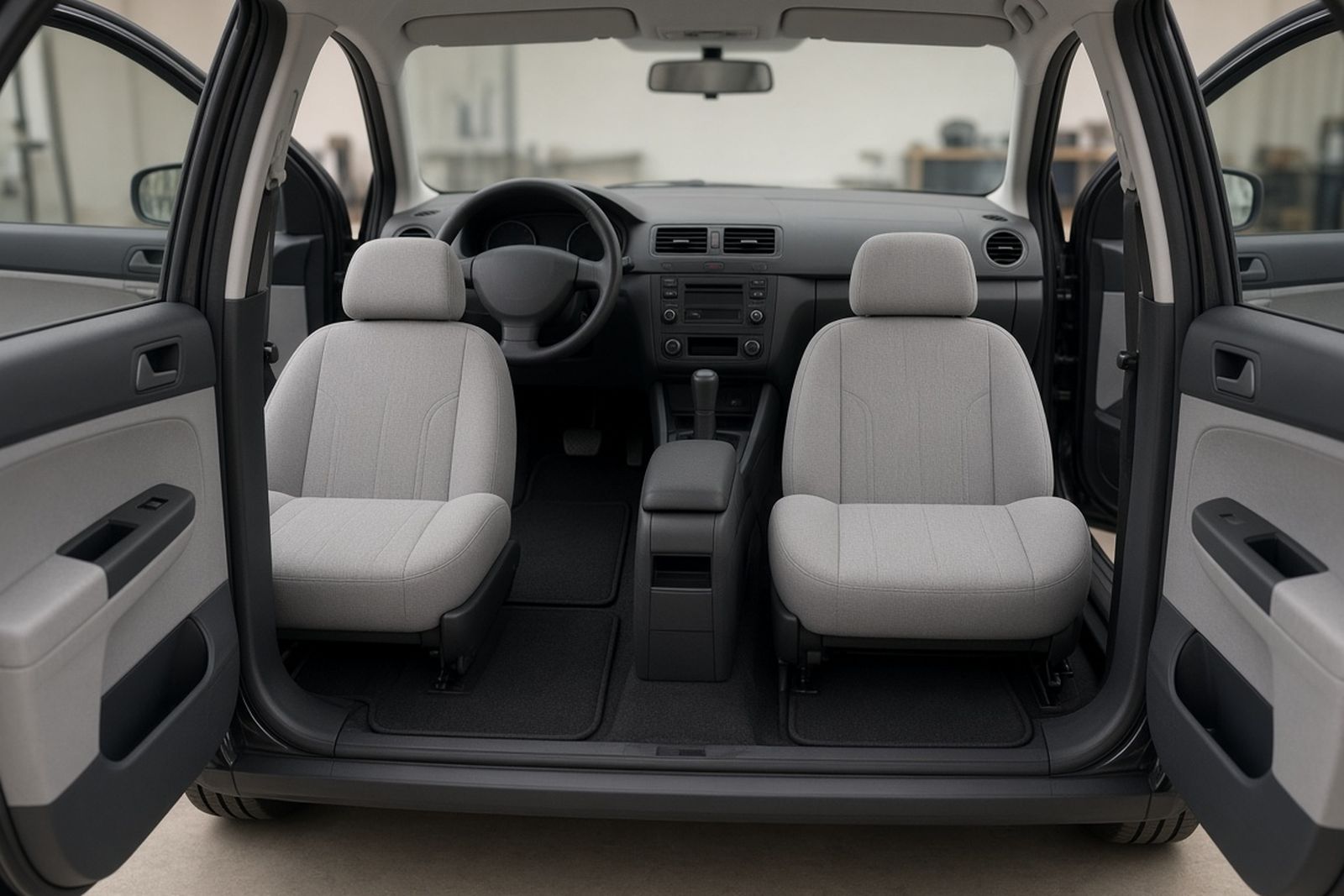
Vehicles have changed a great deal. Seats now contain heaters, occupancy sensors, and side airbags. Dashboards hold screens and electronic modules. Hybrid and electric vehicles carry high-voltage components under seats and floors.
Each of these features affects cleanup. Technicians must know how to disconnect systems safely, how to remove seats without damaging connectors, and when a part must be handled by a qualified repair shop. Deployed airbags leave residue and damaged modules that require specific handling.
Documentation has grown more important too. Insurers, fleet managers, rideshare platforms, and lenders often want photos, parts lists, and disposal records. Many providers now produce a full job file for each vehicle, something that was rare when cleanup was an informal task.
The rise of rideshare and delivery work has added new customers as well. Drivers who use personal vehicles for work may need a fast, documented cleanup after a passenger becomes ill or is injured, and platforms may ask for proof before the driver returns to service. That demand has pushed providers toward quicker scheduling and more consistent paperwork.
Then and now: one truck, two approaches
A single illustrative case, told two ways, shows the change: the same pickup truck, contaminated after a serious injury to the driver.
In the older approach, a tow yard worker wipes the seat and dashboard with a household cleaner, shampoos the carpet, and returns the truck. The seat looks clean, but blood remains in the foam, and the family later notices an odor and staining. There is no record of what was done, and the insurer has no documentation.
In the current approach, a trained technician photographs the cab, disconnects the battery before touching the airbag-equipped seat, removes the saturated seat cushion and a section of carpet as regulated waste, cleans and disinfects hard surfaces with a registered product kept wet for its label contact time, and flags the driver seat belt for replacement by a repair shop. The family and insurer receive photos, a parts list, the disinfectant name, and a disposal record. The difference comes from lessons learned over many years.
What this history means when you hire someone today
Knowing how the field developed helps you recognize outdated methods. A provider who treats a contaminated vehicle as a detailing job, relies on one cleaner, or never mentions removing materials is working from an older model.
Look for a provider whose plan reflects current practice: bloodborne pathogen training, protective equipment, removal of saturated materials, registered disinfectants used by label directions, regulated waste handling, awareness of vehicle systems, and a complete job file that includes a record of where the waste went.
Ask each provider how its methods have changed over the past few years. A company that can describe what it does differently now, and why, is showing that it keeps learning. One that says it has always done things the same way may not have kept up with how vehicles and standards have evolved.