Short answer
A vehicle contaminated after an injury, illness, or death can bring grief, shock, and practical pressure from tow fees, insurers, and daily transportation needs. You can reduce the stress by letting professionals handle the cleanup without you present, asking for personal items to be set aside, getting a written plan and timeline, leaning on others for logistics, and seeking support if the event keeps affecting you.
Why a contaminated vehicle can feel so overwhelming
A car is not just property. For many people it is a daily routine, a place for conversations with family, a symbol of independence, or a work tool. When something traumatic happens inside it, that familiar space can suddenly feel unsafe or unbearable to look at.
The stress often comes in two layers at once. There is the emotional weight of what happened, whether that is a crash, a medical emergency, an assault, or a death. And there is a stack of urgent practical questions: where the vehicle is, who is charging storage fees, what the insurer needs, and how you will get to work tomorrow.
Crashes are a common starting point for these situations, and behind each injury is a family dealing with medical care, and often a vehicle that needs attention too.
If you feel scattered or numb right now, that is a normal response. Nothing about this has to be sorted out in a single afternoon.
Seeing the vehicle, and saving what matters
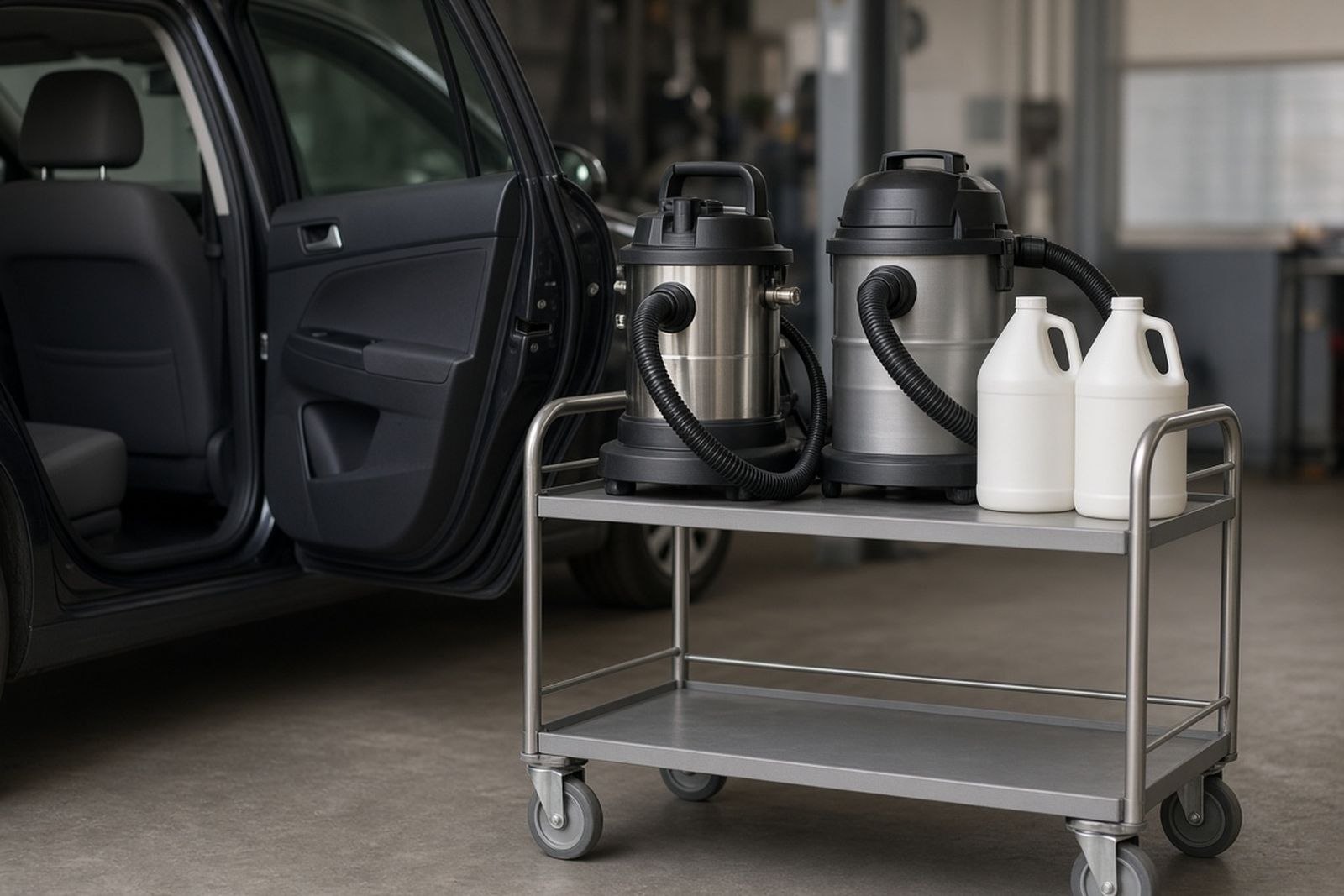
Many people feel they should look, or feel pressured to identify belongings in person. You are allowed to decide not to. A professional cleanup company can photograph the vehicle, handle the assessment, and communicate with you by phone or email.
If you do want to see it, consider bringing someone you trust and deciding ahead of time how long you will stay. Some people find it helpful to see the vehicle after cleanup instead, when the visible signs of the event are gone.
Ask the provider to explain, in general terms and without graphic detail, what needs to be done. You can also ask them to speak with a family member or friend on your behalf if hearing the details yourself is too much.
Children and teens may have questions about the car too, especially if it was the family vehicle. Simple, honest answers at their level, without graphic details, usually help more than silence. Let them know the car is being taken care of by people whose job is to make it safe.
Personal items often matter more than the vehicle itself. A jacket, a child's toy, sunglasses, a phone, or papers in the glove box can carry deep meaning, especially after a loss.
Tell the cleanup company early which kinds of items you want saved. A careful provider will inventory belongings, set aside anything that can be cleaned, and ask before discarding items that are contaminated. Some items can be disinfected and returned. Others, such as soft materials that absorbed fluids, may not be salvageable.
If something cannot be saved, ask whether it can be photographed first. A photo does not replace the object, but many families find comfort in having it. You can also ask for items to be returned in a sealed bag or box so you can choose when to open it.
- List items you know were in the vehicle and want back
- Ask for an inventory of belongings found during cleanup
- Request photos of anything that cannot be saved
- Choose how items are returned: packed, sealed, or delivered to someone you trust
- Let the provider know if certain items should not be discarded without asking
Managing the practical pressure of fees and paperwork
Storage fees, insurance calls, and rental car deadlines can make it feel as if you must decide everything today. Some of that pressure is real, but some of it can be eased with a few phone calls.
Ask the tow yard or storage lot how its fees work and whether the vehicle can be released directly to a cleanup provider. Ask your insurer whether it wants to inspect the vehicle before cleanup begins and whether it may consider the vehicle a total loss. Those answers shape what happens next.
It helps to let one person be the point of contact. If a friend or relative can handle calls with the tow yard, the insurer, and the cleanup company, you can focus on medical care, family, or rest. Keep a single notebook or shared document with names, numbers, claim numbers, and dates so no one has to rely on memory.
If you rely on the vehicle for work, tell your employer what happened. Many employers will allow flexible hours, remote work, or a few days of leave while you sort out transportation. If you have rental coverage on your auto policy, ask your insurer how long it lasts and what it takes to start it.
Should I keep the vehicle or let it go?
There is no right answer. Some people want the vehicle cleaned, repaired, and back in their driveway because it belonged to someone they loved. Others cannot imagine driving it again and prefer to sell it or let the insurer take it.
You do not have to decide in the first few days. If you are unsure, ask whether the vehicle can be cleaned and then stored for a while. Once the visible reminders are gone, it may be easier to know how you feel.
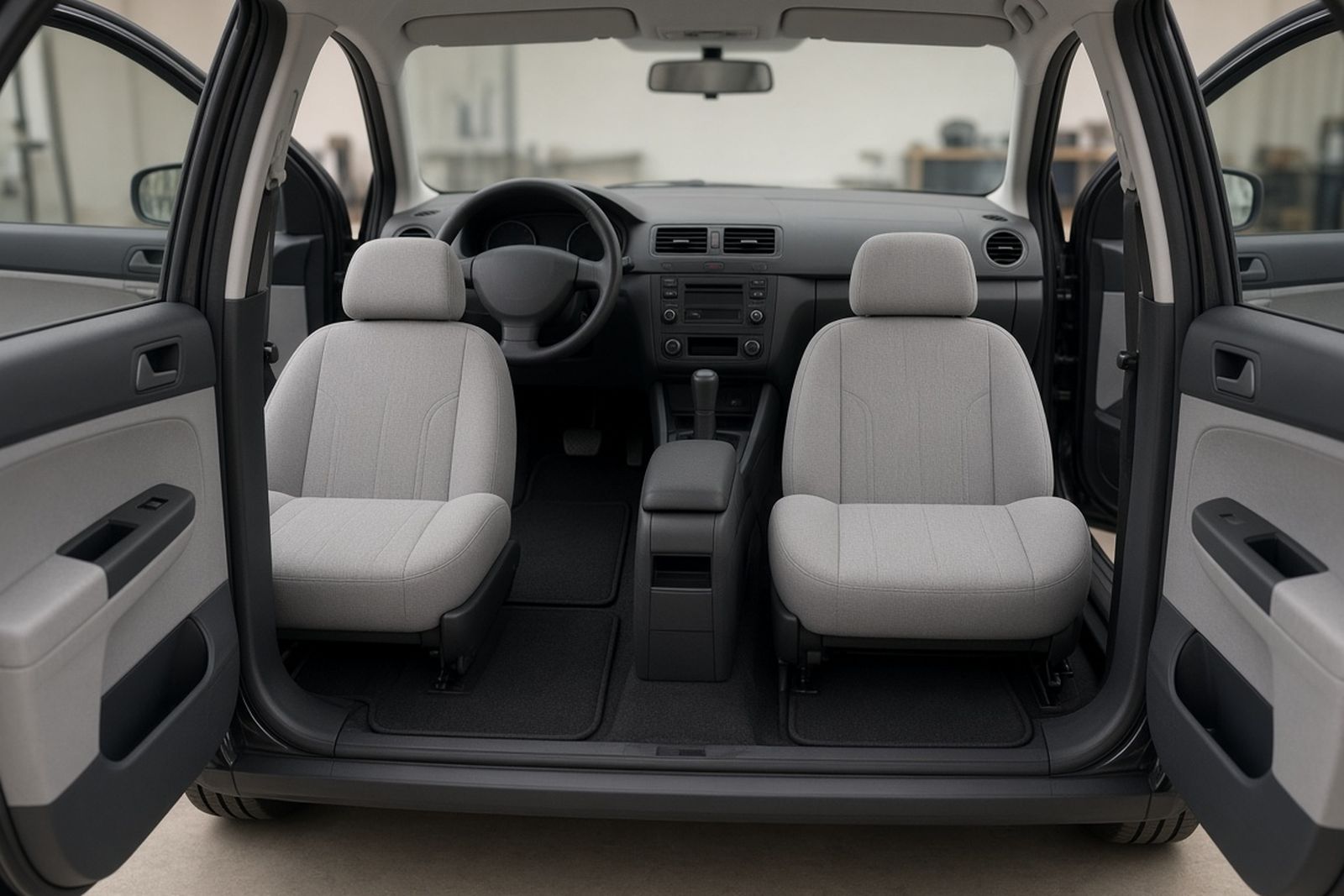
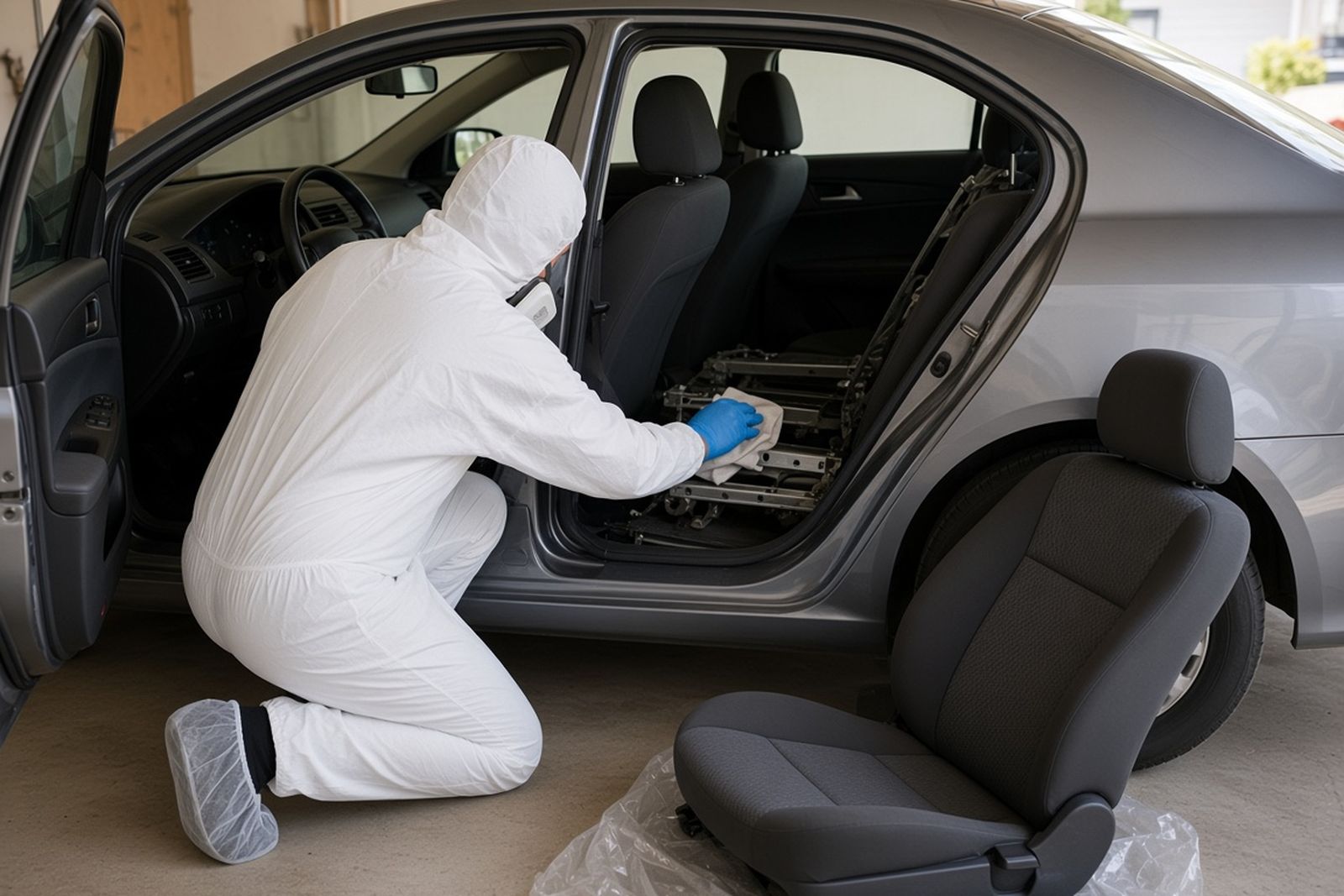
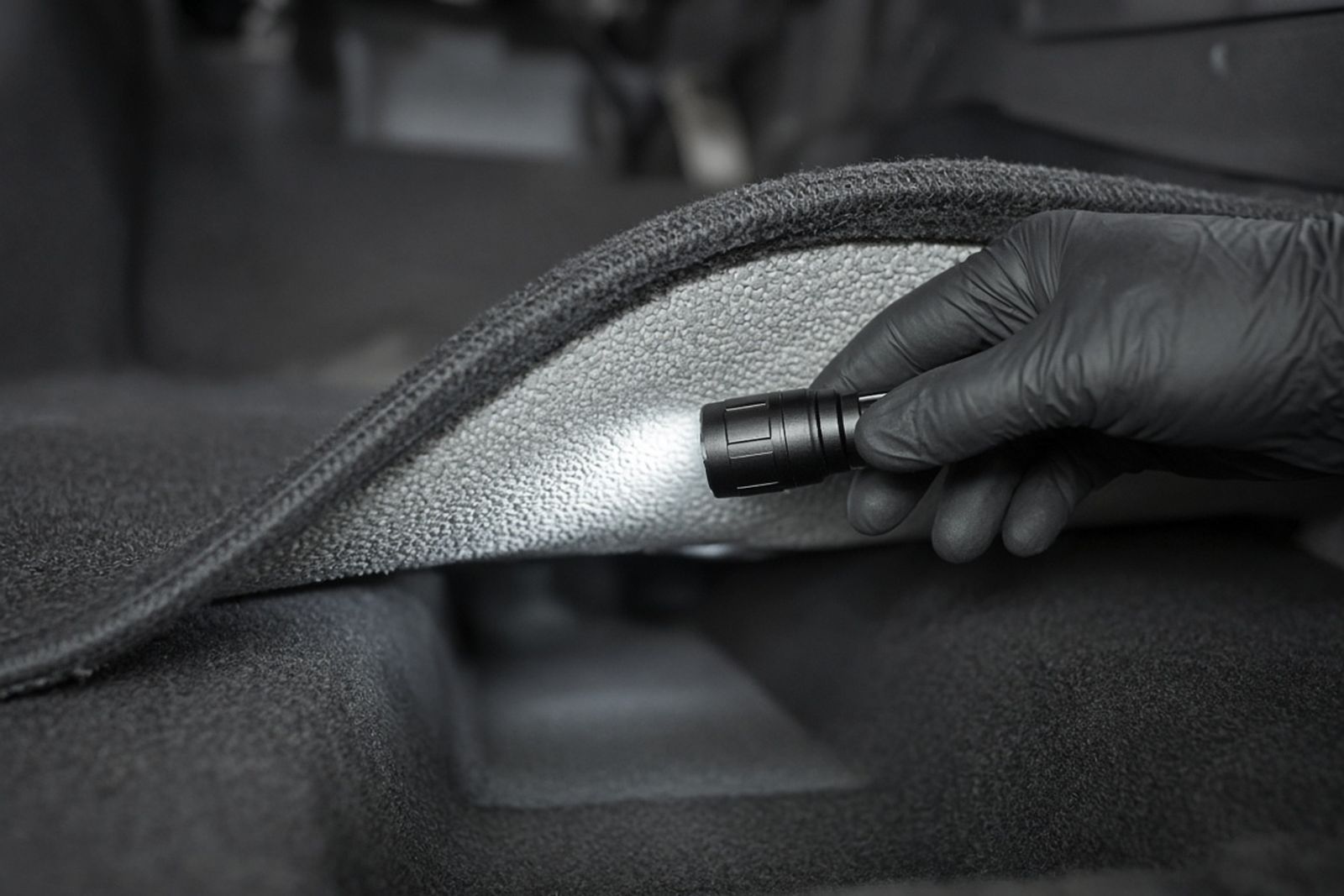
If you decide to keep it, a cleanup provider can explain what will be removed and replaced so the interior is safe. If you decide to let it go, the provider can still document the vehicle's condition for your insurer or buyer. Either choice is valid, and changing your mind later is normal too.
Money can complicate the decision. A loan balance, a lease, or the cost of replacing seats and carpet may push you one way. Ask your insurer and lender what each option would mean before committing, so the choice reflects both your feelings and your finances.
What a gentler cleanup process looks like
A gentler process usually starts with one person acting as the contact. When a loss happens far from home, or while funeral plans are underway, a relative or friend can call the vehicle biohazard provider, explain the situation, and ask that the family not be sent detailed photos. A caring provider will agree to communicate through that person.
During the work, the provider sets aside items that matter, such as a hat, reading glasses, or a notebook from the console, and asks before discarding anything, including a seat cushion that cannot be saved.
Afterward, the family receives a short written summary without graphic detail and the personal items in a sealed box that can be opened weeks later, whenever they are ready. If they decide to keep the car, perhaps for a younger driver in the family, they also have paperwork showing the interior was properly cleaned and disinfected.
When the event involved a suicide
Losing someone to suicide brings a particular kind of grief, often mixed with shock, guilt, and questions that may never have clear answers. If the death happened in a vehicle, the car can become an especially painful reminder.
Let professionals handle the cleanup, and let others help with the logistics. A compassionate provider will work discreetly, avoid graphic language, and follow your wishes about belongings and communication.
Support is available for people who have lost someone to suicide. Survivor support groups, grief counselors, and faith communities can help. If you are struggling with thoughts of suicide yourself, or are worried about someone else, you can call or text 988 to reach the 988 Suicide and Crisis Lifeline, which is available at any time.
Getting back behind the wheel, and asking for more support
After a crash or a traumatic event in a vehicle, driving can bring up anxiety. You might feel tense at intersections, avoid certain roads, or feel a jolt when you open the door. Many people experience these reactions for a while, and they often ease with time.
Start small if you can. Short trips in daylight, with someone you trust in the passenger seat, can help rebuild confidence. Changing small details, such as the seat covers, the air freshener, or the music you play, can make the space feel new.
If driving anxiety interferes with work, school, or daily life, or does not improve over several weeks, consider talking with your doctor or a mental health professional. Effective help exists for stress reactions after crashes and other frightening events.
Stress after a vehicle-related trauma can show up in many ways: trouble sleeping, flashbacks, irritability, difficulty concentrating, or avoiding reminders. Most people feel better over time, especially with support from friends and family.
If these reactions persist, grow worse, or make it hard to function, reach out to a doctor, counselor, or employee assistance program. Taking care of your own well-being is part of recovering from what happened, just as much as getting the vehicle cleaned. You have already done something hard by facing the practical side of this. It is fine to ask others to carry some of the rest.