Short answer
A vehicle tied to a crash, injury, or death can trigger strong reactions, from avoiding driving to intrusive memories. You do not have to see the vehicle or manage the cleanup yourself. Let a trusted person and a qualified provider handle it, and use support such as your doctor, a counselor, an employee assistance program, peer programs for drivers, or the 988 Suicide and Crisis Lifeline.
Why a vehicle incident can hit so hard
A car is more than transportation. It is where you commute, run errands, drive your children, and spend time alone with your thoughts. When something traumatic happens inside it, that familiar space can suddenly feel unsafe or heavy with memory.
Unlike a room in a house, a vehicle is often something you must use every day. Getting back behind the wheel, or even seeing the car in the driveway, may bring back images, sounds, or feelings from the incident. Some people avoid driving altogether for a while. Others feel numb or keep replaying what happened.
These are common reactions to a frightening or painful event. In a 2016 World Mental Health Survey analysis, Benjet and colleagues found that 14.0% of respondents reported a life-threatening automobile accident. Many people have been through something similar and found their way forward, often with support.
Who might be affected
The people touched by these events are varied. A driver who was injured in a crash. A parent whose child became seriously ill in the back seat. A family whose loved one died in their car. A rideshare or delivery driver whose passenger had a medical emergency. A fleet employee who found a coworker after a medical event in a company truck.
Crashes alone reach a very large number of people, and behind each injury are drivers, passengers, and families who may be left with a vehicle that needs cleanup and memories that need care.
Bystanders and helpers can be affected too. A passerby who stopped to help, a tow driver, or a neighbor who found a vehicle may carry the experience with them. Their reactions deserve the same attention.
You do not have to see the car, or decide about it yet
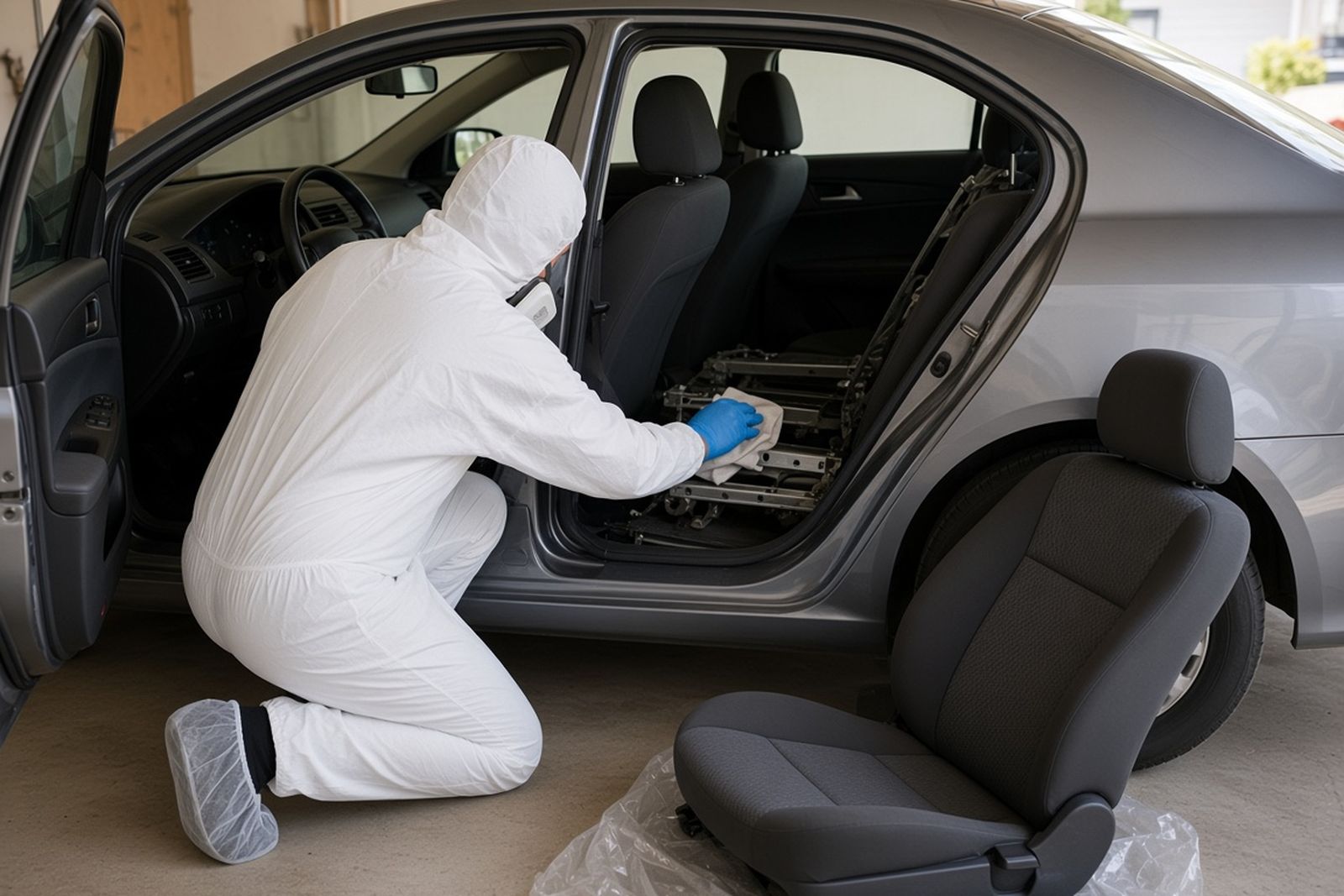
You can hand over the keys, the paperwork, and the decisions to someone you trust and to a qualified cleanup provider. Many providers can pick up a vehicle from a tow yard, communicate with your insurer, and return it without you ever seeing the work in progress.
Tell the provider what you want. Some people want no photos at all. Some want to know only when the job is done. Others want a short summary to share with an insurer. A caring provider will respect those wishes and send images only to the people who need them.
Personal items found in the vehicle, such as a phone, a wallet, sunglasses, or a child's toy, can be set aside, cleaned where possible, and returned in a sealed bag. You can decide later whether to open it.
There is no right answer. Some people cannot imagine driving the car again and choose to sell it or let the insurer decide whether it is a total loss. Others feel strongly about keeping it, perhaps because it belonged to someone they lost.
You do not have to decide immediately. The cleanup, insurance review, and repair process often takes time, and your feelings may change during that period. Ask the provider to explain the options without pressure.
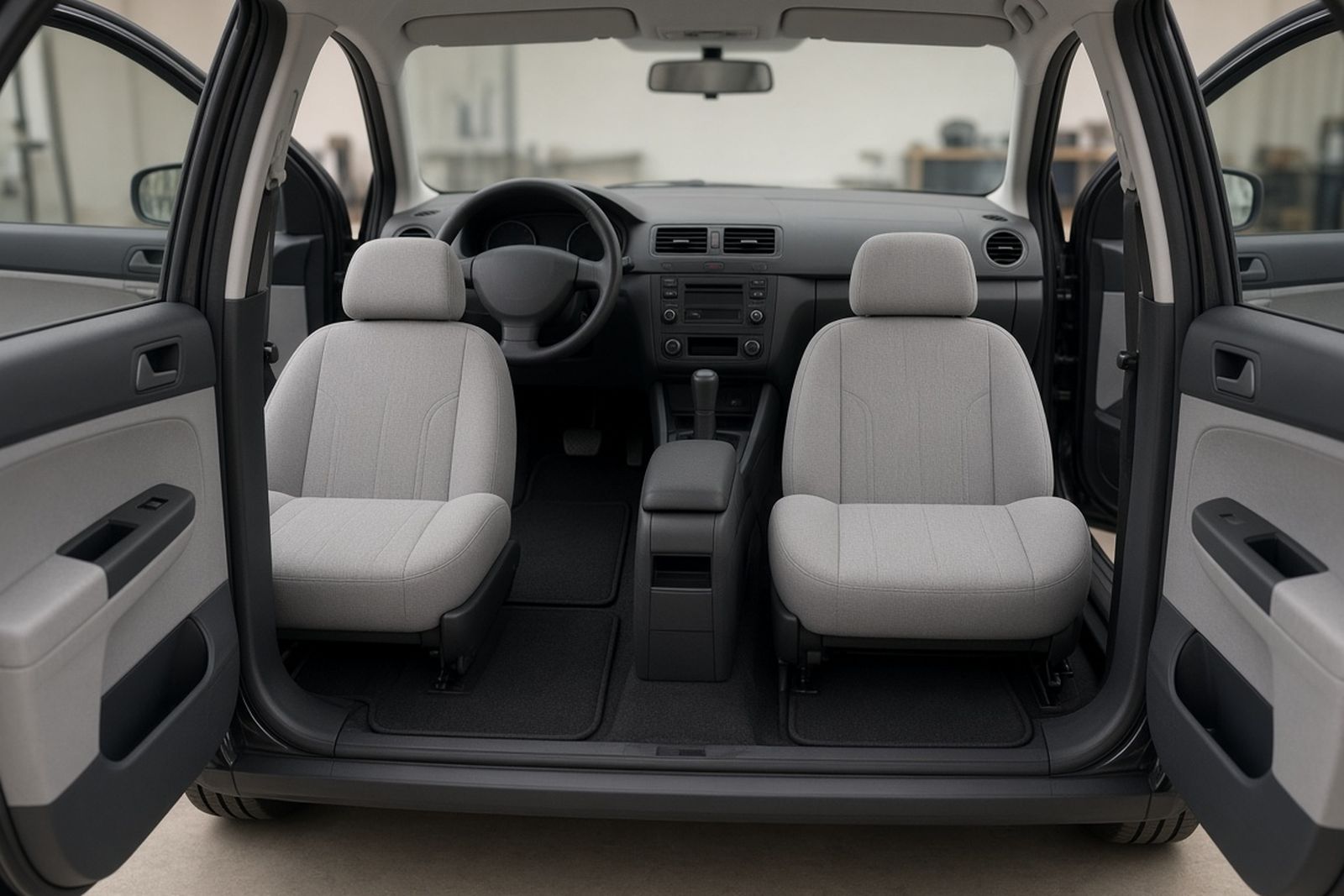
If you keep the vehicle, a thorough cleanup with replaced components and a neutral-smelling cabin can make a real difference. Some people also find it helpful to change small things, such as seat covers, floor mats, or the air freshener, so the car feels different when they return to it.
If the vehicle belonged to someone who died, family members may disagree about what to do with it. One may want to keep it as a connection to the person, while another cannot bear to see it. Giving the decision time, and involving a neutral person such as the estate attorney or a counselor, can keep a painful choice from becoming a lasting conflict.
Taking care of yourself in the days after
Start with the basics. Try to eat regular meals, rest when you can, and stay connected with people who care about you. Physical reactions such as a racing heart, trouble sleeping, stomach upset, and tension are common after a shock.
Let others help with practical tasks. A friend or family member can handle calls with the tow yard, the insurer, and the cleanup provider. Arrange rides or a rental car if you are not ready to drive.
Ease back into driving at your own pace. Short trips on familiar roads, driving with a trusted passenger, or taking a different route than the one involved in the incident can help. If driving remains very difficult after several weeks, talk to your doctor.
Be gentle with reminders. The smell of certain cleaning products, the sound of a particular engine, or a song that was playing at the time can bring a wave of feeling. Those moments usually soften with time. Noticing them, breathing slowly, and reminding yourself where you are now can help them pass.
- Keep basic routines for meals and sleep
- Delegate phone calls and paperwork
- Arrange alternate transportation if needed
- Return to driving gradually
- Talk to your doctor if reactions persist
Where can I find professional support?
Your primary care doctor can help sort out physical symptoms and refer you to a counselor who works with trauma or grief. Many therapists are trained in approaches that help people process frightening events, including crashes.
If you are employed, an employee assistance program may offer confidential counseling at no cost. Professional drivers may have access to union or industry peer support programs. First responders and tow operators often have peer support teams through their agencies or associations.
After a death, grief counselors, hospice bereavement programs, and support groups for people who lost someone suddenly can help. Victim advocates through the local prosecutor's office or police department may be available if the incident involved a crime.
If you are having thoughts of suicide or feel unable to cope, call or text 988 to reach the 988 Suicide and Crisis Lifeline, which is free, confidential, and open at all hours. If someone is in immediate danger, call 911.
How employers, friends, and family can help
Fleet operators, transit agencies, and rideshare platforms play a big role in how drivers recover. A driver who was involved in a crash or found a passenger in distress should be offered time away from the vehicle and from driving duties if they need it.
Make support easy to reach. Share employee assistance contacts, peer support options, and the 988 Lifeline directly, rather than expecting drivers to search for them. Check in after a few days and again after a few weeks, since reactions sometimes appear later.
Do not ask the involved driver to clean the vehicle. Having a qualified provider handle the cleanup protects the driver from exposure and from having to revisit the scene. When the driver returns, consider assigning a different vehicle at first if they prefer.
If a friend or relative went through a crash or lost someone in a vehicle, offer concrete help. Driving them to appointments, calling the insurer on their behalf, or picking up belongings from the provider can ease a heavy load.
Let them talk about the event if they want to, and do not push if they do not. Avoid comparing their experience to others or telling them how they should feel. Watch for signs of ongoing distress, such as withdrawal, heavy drinking, or talk of hopelessness, and encourage professional support. Share the 988 Lifeline if you are worried about their safety.
What compassionate support can look like
The account below is a composite, not one real person's story. A delivery driver in his thirties is rear-ended at a stoplight. He is shaken and has a bloody nose and a cut on his hand, which leave blood on the steering wheel, the door, and the seat. He is treated and released the same day.
His supervisor calls that evening, tells him not to worry about the van, and gives him two days off. The company arranges for a vehicle cleanup provider to handle the van at the depot. The supervisor also shares the employee assistance number and mentions that a coworker who went through a similar crash is willing to talk.
The driver sleeps poorly for a week and feels jumpy at intersections. He uses two counseling sessions and rides along with a coworker on his first day back. By the next month, he is driving his route again, in a different van at his request.
The example shows how quick practical help, clear communication, and easy access to support can shorten a hard period.
What to expect from the cleanup provider
A good vehicle cleanup provider treats you with patience and discretion. They explain the process in plain terms, avoid graphic details, and let you decide how involved you want to be. They protect your privacy and do not share details with neighbors, coworkers, or anyone who does not need to know.
They should also handle the practical load: coordinating with the tow yard and insurer, documenting the work, and returning personal belongings. If a provider is dismissive or pushes you toward decisions you are not ready for, it is fine to choose someone else.
Disposal of contaminated seats, carpet, and other materials may be regulated, and handling that correctly is the provider's job, not yours. Most importantly, give yourself time. Recovery from a vehicle incident is not only about the car. It is about you.