Vehicular Biohazard Cleanup: Regulations
How to identify the worker-safety, waste, transport, environmental, and local rules that may apply to vehicular biohazard cleanup. Confirm jurisdiction-specific requirements with the issuing authority.
Regulation posts explain which rules touch vehicle cleanup. They explain why the answer depends on who owns the vehicle and where it sits. They cover how OSHA's bloodborne germ standard applies to employers whose workers clean soiled cabins. They explain why state and county rules decide whether removed foam and carpet count as regulated medical waste. They also show how motor vehicle agencies handle labeled titles after a total loss. Other posts walk through how to look up waste rules for your area. Fleet owners will find material on how employer duties apply when drivers or shop staff are asked to clean a vehicle after an exposure.
Get an email reply about vehicular biohazard cleanup
Send a short message to the follow-up inbox. A coordinator can reply by email. This form does not send emergency help; call 911 first if anyone is in danger.
Knowing the rules protects you from two common mistakes. One is tossing soaked seats into a normal dumpster. The other is hiring a provider that cannot legally haul what it removes. For fleet owners, the stakes include duties to protect workers. Rules differ from place to place. So these posts point you to the offices that can confirm them, instead of giving one national answer. They also explain why rideshare, lease, and rental deals can add contract duties on top of public rules. That means the owner on record may need to approve the provider. Reading them before you approve work can save you from fixing a disposal mistake after the fact.
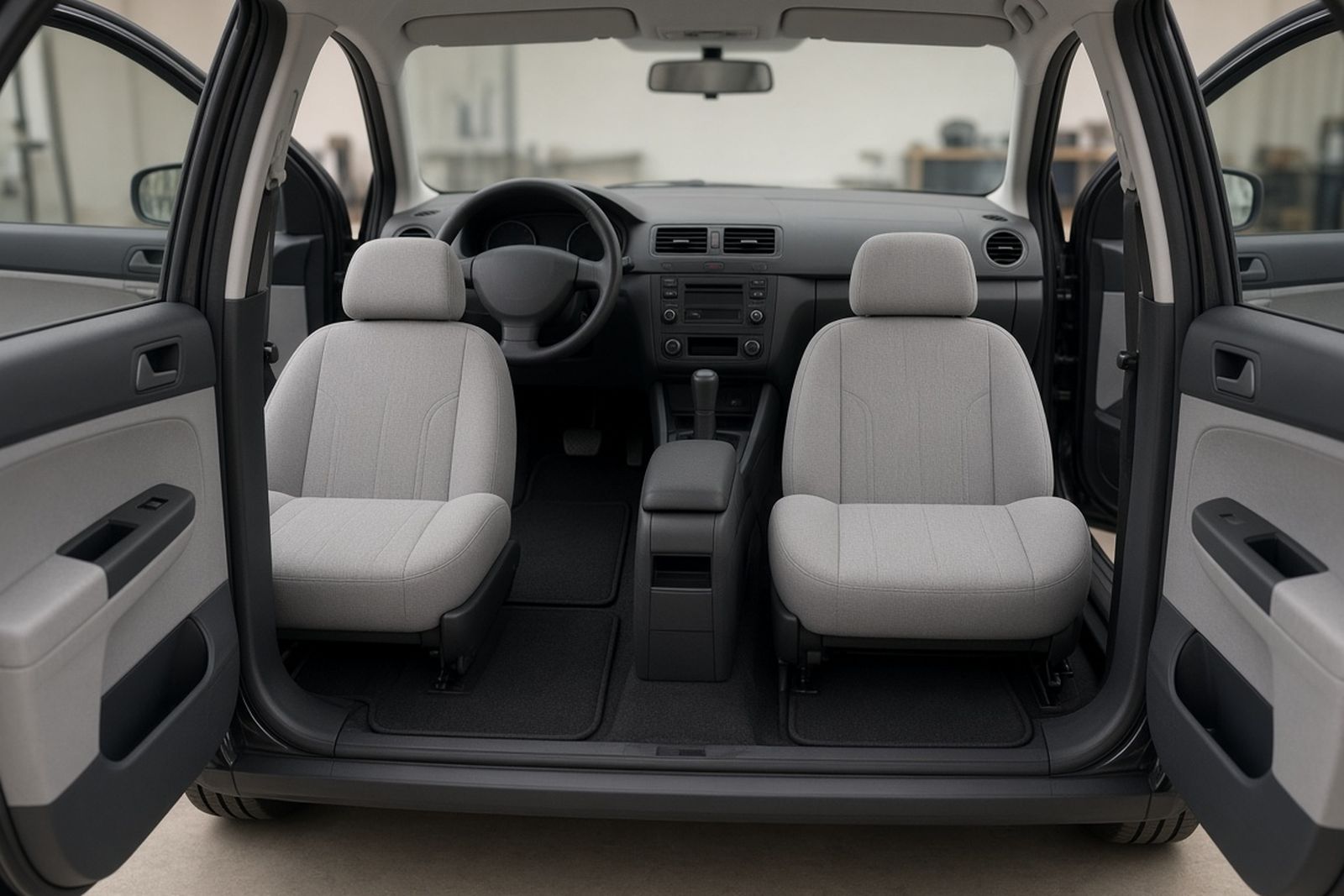
OSHA Regulations and Vehicular Biohazard Cleanup
Tow yards, dealers, fleets, and cleanup crews that handle blood in cars fall under OSHA worker rules. See which standards apply before anyone opens the door.
OSHA rules apply when an employer assigns someone to clean blood, body fluids, or sharps out of a vehicle. The Bloodborne Pathogens standard sets the core duties: an exposure control plan, training, hepatitis B vaccination, protective equipment, and safe handling of contaminated materials. Hazard communication and respirator rules cover disinfectants and treatments. A private owner cleaning their own car is outside OSHA, but the same hazards remain.
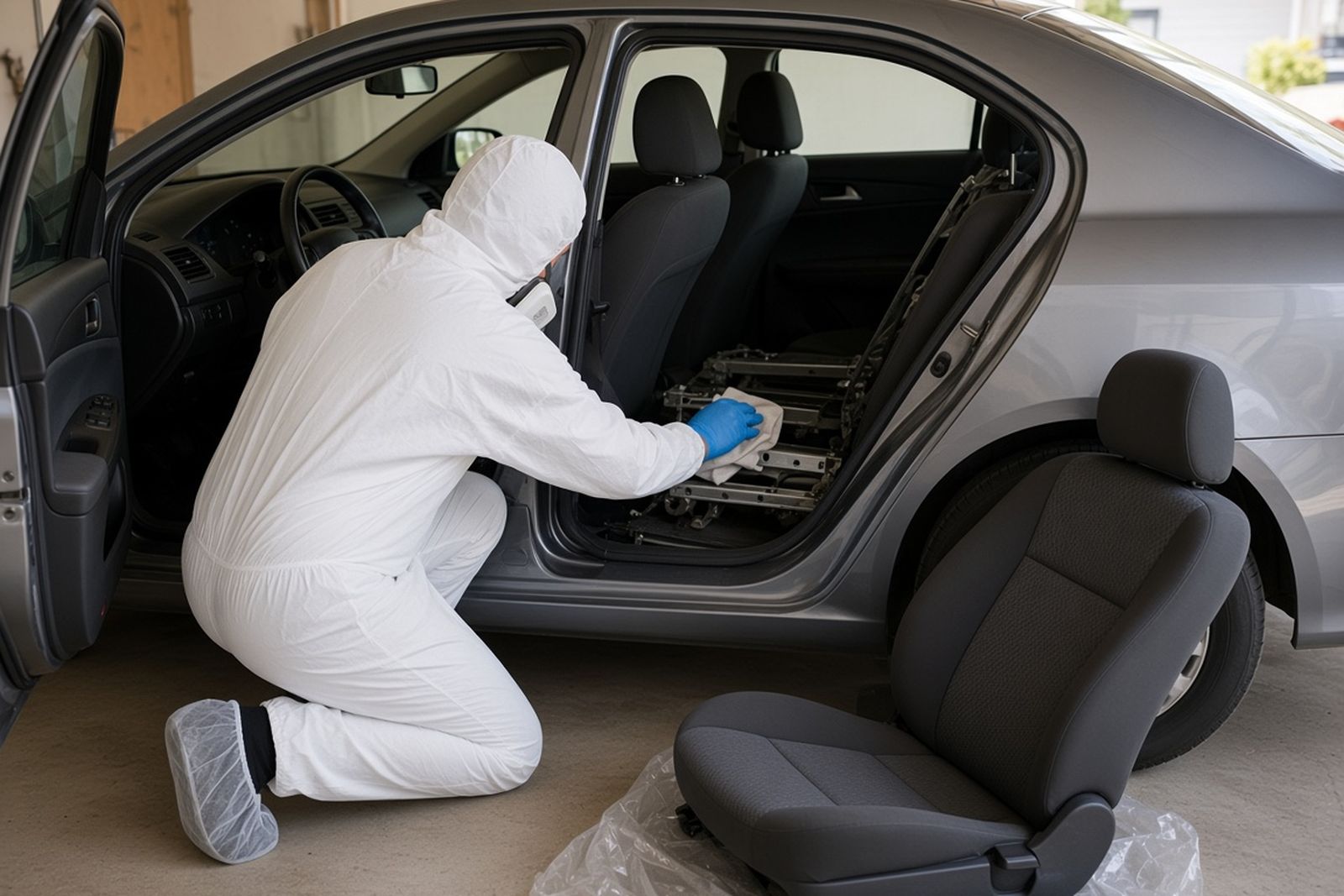
Which Federal, State, and Local Rules Apply to Vehicular Biohazard Cleanup?
Cleaning blood from a car can involve OSHA, disinfectant labels, safety equipment law, state waste rules, police holds, and local wash-water limits. See how.
Vehicle biohazard cleanup is shaped by several layers. Federal rules cover worker protection, disinfectant labels, waste transport, and limits on disabling safety equipment such as seatbelts and airbags. States set rules on regulated waste, trauma cleanup registration where it exists, towing and storage, and title branding. Local agencies control wash water, mobile service permits, and impound lots. Police holds can delay everything.
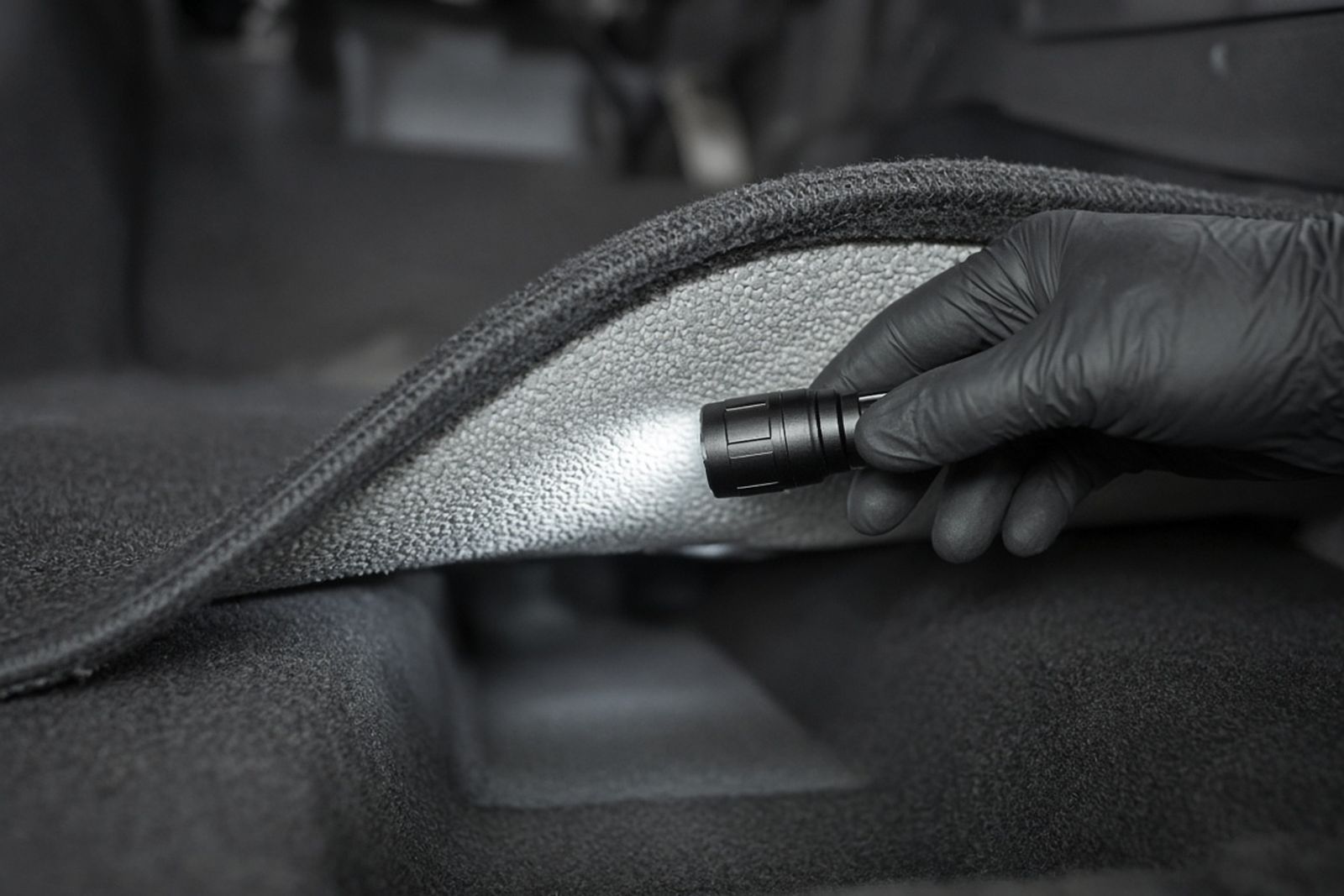
How to Research Waste Rules for Vehicular Biohazard Cleanup
Seat foam, carpet, sharps, auto fluids, batteries, and airbags leave a vehicle cleanup under different disposal rules. Learn how to research each waste stream.
To research waste rules for vehicle biohazard cleanup, sort the waste into streams: fluid-soaked upholstery and carpet, sharps and glass, used PPE and absorbents, automotive fluids, batteries, airbag components, and rinse water. Check your state's medical or trauma waste definitions for the biological materials, sharps disposal rules for needles, and separate automotive and hazardous waste programs for fluids, batteries, and undeployed airbags. Confirm local wash-water limits.
Sourced figures on regulations
- 13 lists
EPA maintains 13 active lists of registered disinfectants, including List H for MRSA and VRE, List G for norovirus, and List S for bloodborne pathogens.
Read with care: Lists are not exhaustive; products must be used per label contact times.
Source: EPA (2025)United States, EPA-registered antimicrobial products
- 34,696
Federal OSHA conducted 34,696 inspections in fiscal year 2024 and has roughly one compliance officer for every 70,000 workers.
Read with care: Excludes inspections by state-plan agencies.
Source: OSHA (2024)United States, federal OSHA, FY2024
- 10 square feet
EPA says moldy areas smaller than about 10 square feet can usually be handled by the homeowner, while larger areas warrant professional guidance.
Read with care: Applies to mold; contaminated sewage or biohazard materials are treated differently.
Source: US EPA (2026)Residential guidance, United States
These figures are public research and agency data, not this network's own job records. Keep each number with its population, year and limits; none of them predicts cost, timing or outcome at a specific property.
What research has found
Findings from published studies of people and properties in situations like this one. They describe what researchers observed in a specific group; they are not predictions for your case.
All sampled equipment categories showed significantly lower contamination after treatment.
Residual bacteria remained on an oxygen-saturation sensor and stretcher handle.
Regulations: common questions
Is carpet with dried blood on it always regulated medical waste?
Not always. The label often depends on how soaked the material is and whether fluid could drip out when it is squeezed. It also depends on how your state defines regulated waste. Trim with only light spots may be handled differently from foam that is soaked through. Ask the provider how it labels each item. Then confirm with your state environmental agency or county health department.
Does OSHA regulate a private owner cleaning their own car?
OSHA rules usually apply to employers and their workers, not to people working on their own property. That does not make cleaning it yourself safe. It just means the bloodborne germ standard is aimed at workplaces. If an employee cleans a company vehicle, the employer's duties to control exposure likely apply. So fleet owners should check with their safety advisor.
Does a cleaned vehicle need a special inspection before it goes back on the road?
A private car usually needs no special biohazard inspection. But a qualified shop should check any safety parts that were repaired. In some states, a vehicle rebuilt after a total loss may need an inspection before it gets a new title. Business vehicles may have their own inspection rules. Check with your motor vehicle agency. For fleets, also check with the person in charge of following the rules.
Does the vehicle's title change after a biohazard cleanup?
A cleanup by itself does not usually change a title. Title labels usually come into play when an insurer declares a total loss or when certain types of damage are recorded. Each state sets its own rules. If you keep a vehicle the insurer totaled, ask your motor vehicle agency what label applies. Also ask what inspection, if any, is needed before it goes back on the road.
Do I have to tell a dealer about the incident when I trade in the vehicle?
What you must tell a buyer varies by state and by the type of sale. Dealers may ask direct questions when they price the vehicle. Answering honestly protects you, and professional cleanup records make the talk easier. You do not need to share personal or graphic details. If you are unsure what your state expects, ask your motor vehicle agency or a lawyer before the sale.
Who enforces the rules on how cleanup waste is handled?
Usually your state environmental or health agency runs the medical waste program. County environmental health offices often handle local questions. Hauling rules apply once regulated waste moves on public roads. Worker protection falls under OSHA or a state plan. If you are worried about how waste from your vehicle was handled, start with the state waste program.
Are there rules about who can remove seat belts and airbags?
Seat belts and airbags are safety equipment. Businesses that work on vehicles are generally expected not to leave them broken. Many cleanup providers team up with a mechanic or dealer to remove and put back these parts, following the maker's steps. Ask any provider who will handle them and how the vehicle will be checked afterward.
Related community polls
Every count is a real visitor vote; nothing is seeded or padded. One vote per poll per device, and you can change your answer.
If a passenger became ill in your car, what would you most likely do first?
Would you keep driving a vehicle where blood reached the seat foam if it looked clean afterward?
More on vehicular biohazard cleanup
Vehicular Biohazard Cleanup services
Learn what cleanup of a car, van, RV, or boat involves after blood, illness, or death. It covers checking foam and belts, the air system, and waste.
Costs explained
What drives the price, published cost ranges, and how to read a written quote line by line.
Insurance and payment
Which policies may respond, how to document a claim, and what to do if coverage is denied.
Planning tools
Estimate the job for your vehicle, check a provider, organize an auto claim, and plan the first day. Sort removed materials and see whether you should touch the cabin.
Community polls
See how other owners, rideshare drivers, and fleet managers handled soiled vehicles. Views range from first reactions to total-loss offers and what to tell buyers.
Knowledge quiz
Test what you know about soaked foam, seat belts and airbags, the car's air paths, regulated waste, and when an insurer may total the vehicle.