Vehicular Biohazard Cleanup: Health & Wellness
Privacy, decision-load, trauma-aware communication, and verified support resources for people managing vehicular biohazard cleanup. Educational remediation content is not mental-health treatment.
Health and wellness posts recognize that a vehicle is often more personal than people expect. It may be where someone you love was hurt or died. Or it may be the car you still need to drive to work every day. These posts talk about the stress of handling claims and repairs. They talk about how hard it can be to sit in a seat that was once soiled. They also cover the support available to drivers, families, and fleet workers, and point to mental health resources. Some posts speak to rideshare drivers who were there during a passenger's medical emergency. Others speak to fleet staff asked to go back to a vehicle where a coworker was hurt.
Get an email reply about vehicular biohazard cleanup
Send a short message to the follow-up inbox. A coordinator can reply by email. This form does not send emergency help; call 911 first if anyone is in danger.
This category matters because emotional strain can push people into rushed choices. They may drive a car before they are ready, or sell it at a loss. If the incident involved someone who died by suicide, reaching out is a sign of strength. The 988 Suicide & Crisis Lifeline is there by call or text. Taking care of yourself is part of recovering, not a distraction from it. These posts also note that deciding to sell or keep a vehicle can carry emotional weight. It is fine to let a trusted friend handle calls with the insurer or the provider while you rest. Recovery rarely follows a straight line.
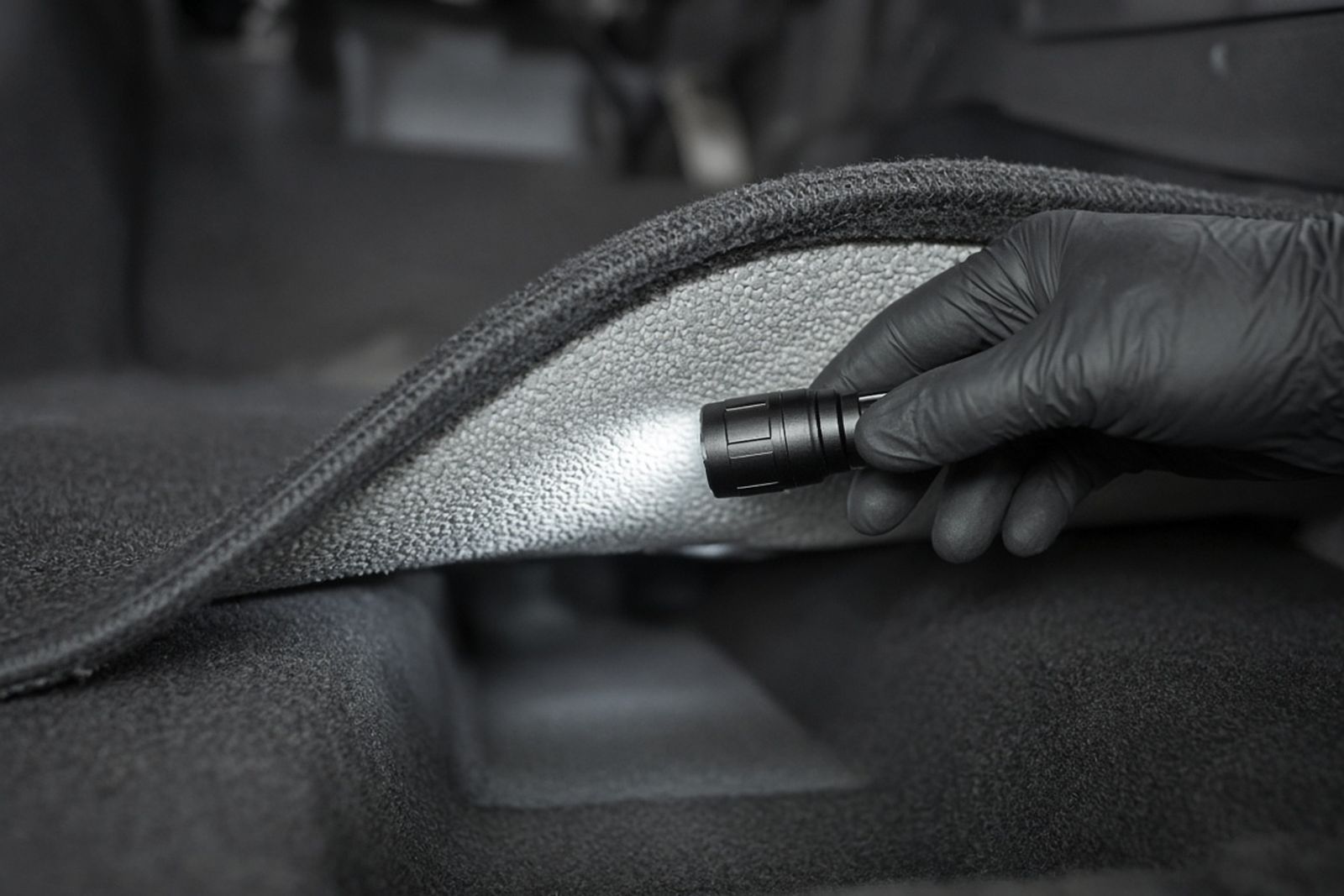
Managing Stress and Disruption During Vehicular Biohazard Cleanup
When a car becomes the site of an injury or loss, deciding what to do with it can be painful. Here is how to manage stress during vehicle biohazard cleanup.
A vehicle contaminated after an injury, illness, or death can bring grief, shock, and practical pressure from tow fees, insurers, and daily transportation needs. You can reduce the stress by letting professionals handle the cleanup without you present, asking for personal items to be set aside, getting a written plan and timeline, leaning on others for logistics, and seeking support if the event keeps affecting you.
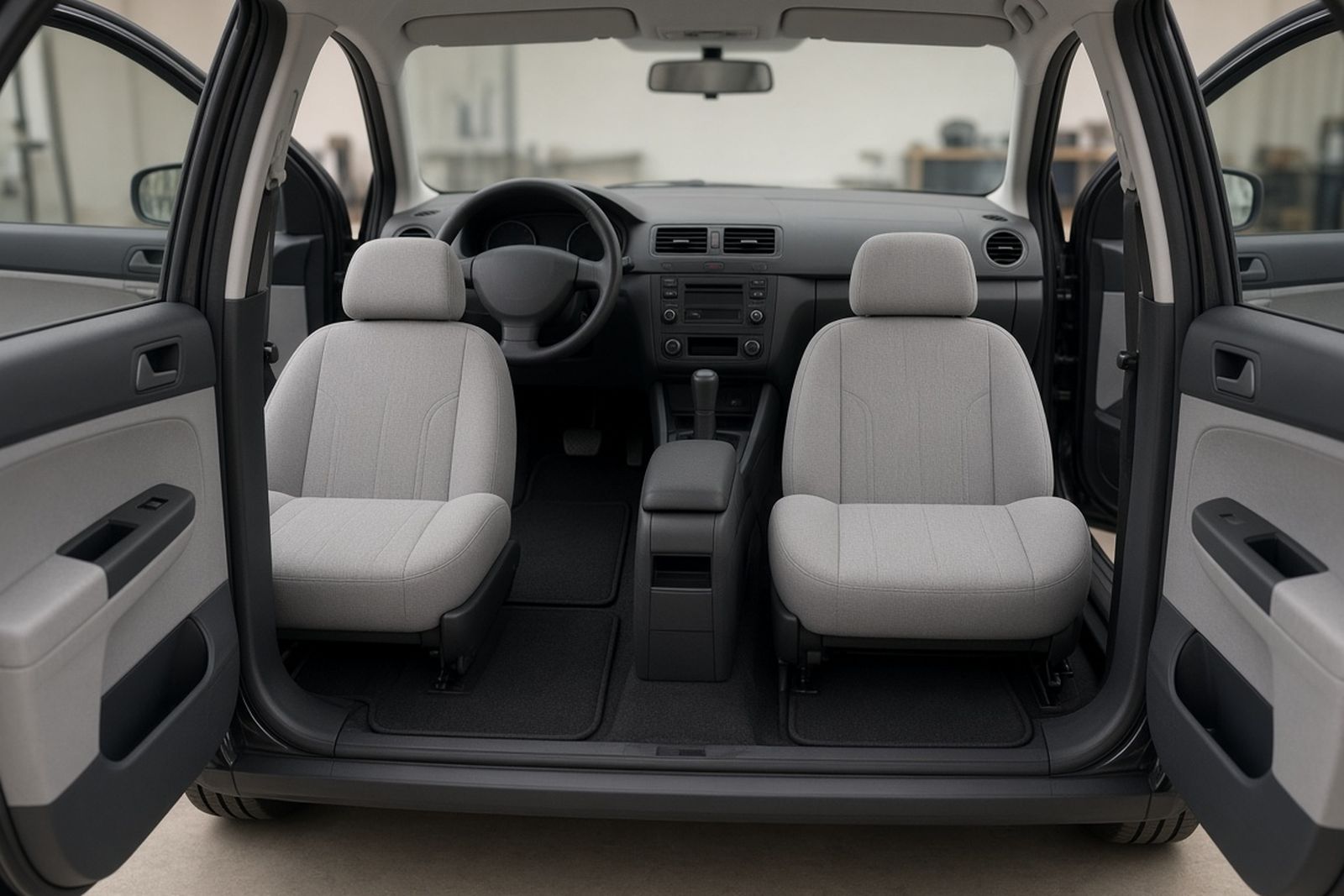
Mental Health Resources During Vehicular Biohazard Cleanup
After a crash, a death, or an injury in a car, the vehicle can become hard to face. Find ways to cope, where to get support, and how to hand off the cleanup.
A vehicle tied to a crash, injury, or death can trigger strong reactions, from avoiding driving to intrusive memories. You do not have to see the vehicle or manage the cleanup yourself. Let a trusted person and a qualified provider handle it, and use support such as your doctor, a counselor, an employee assistance program, peer programs for drivers, or the 988 Suicide and Crisis Lifeline.
Sourced figures on health & wellness
- 1.19
The U.S. traffic fatality rate fell to 1.19 deaths per 100 million vehicle miles traveled in 2024, from 1.26 in 2023.
Read with care: Rate depends on FHWA mileage estimates that are revised periodically.
Source: NHTSA (2024)United States, 2024, VMT from FHWA
- 38.2%
Transportation incidents accounted for 1,937 worker deaths in 2024, 38.2% of all U.S. occupational fatalities.
Read with care: Includes aircraft, rail and water incidents, not just road vehicles.
Source: BLS (2024)United States, 2024, all workers
- 1,146
Roadway incidents involving motorized land vehicles killed 1,146 U.S. workers in 2024, the largest subcategory of transportation fatalities.
Read with care: Counts only work-related deaths, not all traffic fatalities.
Source: BLS (2024)United States, on-the-job roadway deaths, 2024
These figures are public research and agency data, not this network's own job records. Keep each number with its population, year and limits; none of them predicts cost, timing or outcome at a specific property.
What research has found
Findings from published studies of people and properties in situations like this one. They describe what researchers observed in a specific group; they are not predictions for your case.
Residual bacteria remained on an oxygen-saturation sensor and stretcher handle.
Coagulase-negative staphylococci were the most common isolates.
Health & Wellness: common questions
Is it normal to feel uneasy getting back into a car after an incident?
Yes. Many people feel anxious, sad, or unsettled in a vehicle tied to a hard memory, even after a professional cleaning. Give yourself time. Start with short trips, or ask someone to ride along. If the feelings last or get in the way of daily life, a counselor or your doctor can help you work through them.
Where can a family find support after a loved one died in a vehicle?
Your doctor, a local grief counselor, a faith community, or a victim services office can connect you with support. Many employers offer private help programs. If the death was a suicide, support groups for people who lost someone that way can help. The 988 Suicide & Crisis Lifeline is there by call or text for you or anyone who is struggling.
Should I see a doctor if I cleaned up fluids in the car before calling a professional?
Contact a doctor or nurse if any of these happened. You touched blood or other body fluids with bare skin. Fluid splashed near your eyes or mouth. Or you were cut or stuck by something in the cabin. They can judge your exposure and advise on any follow-up care. Tell them what you handled and when, even if you feel fine.
How can I help a friend who is struggling after a vehicle incident?
Offer specific help, such as driving them to appointments, calling the tow yard or insurer, or picking up returned belongings. Listen if they want to talk, and do not push if they do not. Check in again after a few weeks, when support often fades. If you are worried about their safety, encourage them to call or text 988, the 988 Suicide and Crisis Lifeline.
Is it normal to have trouble sleeping after something happened in my car?
Yes. Sleep problems, vivid dreams, and feeling on edge are common after a scary or painful event. They often ease over the next few weeks. Keeping a regular routine, cutting back on caffeine and alcohol, and talking with someone you trust can help. If sleep problems go on or affect your daily life, talk with your doctor about support.
Should children who were in the vehicle talk with someone?
Many children cope well with simple, honest explanations and reassurance from the adults around them. Watch for changes such as fear of riding in the car, trouble sleeping, or clinginess that lasts. A pediatrician can suggest next steps and refer you to a counselor who works with children if worries continue. Let children ask questions at their own pace.
Can caring for the practical details become too much?
It can. Dealing with tow yards, insurers, providers, and paperwork while grieving or recovering is exhausting. It is healthy to hand some of it to others and to take breaks. If you feel overwhelmed, hopeless, or unable to cope, reach out to your doctor or a counselor. You can call or text 988 at any hour for immediate support.
Related community polls
Every count is a real visitor vote; nothing is seeded or padded. One vote per poll per device, and you can change your answer.
If a passenger became ill in your car, what would you most likely do first?
Would you keep driving a vehicle where blood reached the seat foam if it looked clean afterward?
More on vehicular biohazard cleanup
Vehicular Biohazard Cleanup services
Learn what cleanup of a car, van, RV, or boat involves after blood, illness, or death. It covers checking foam and belts, the air system, and waste.
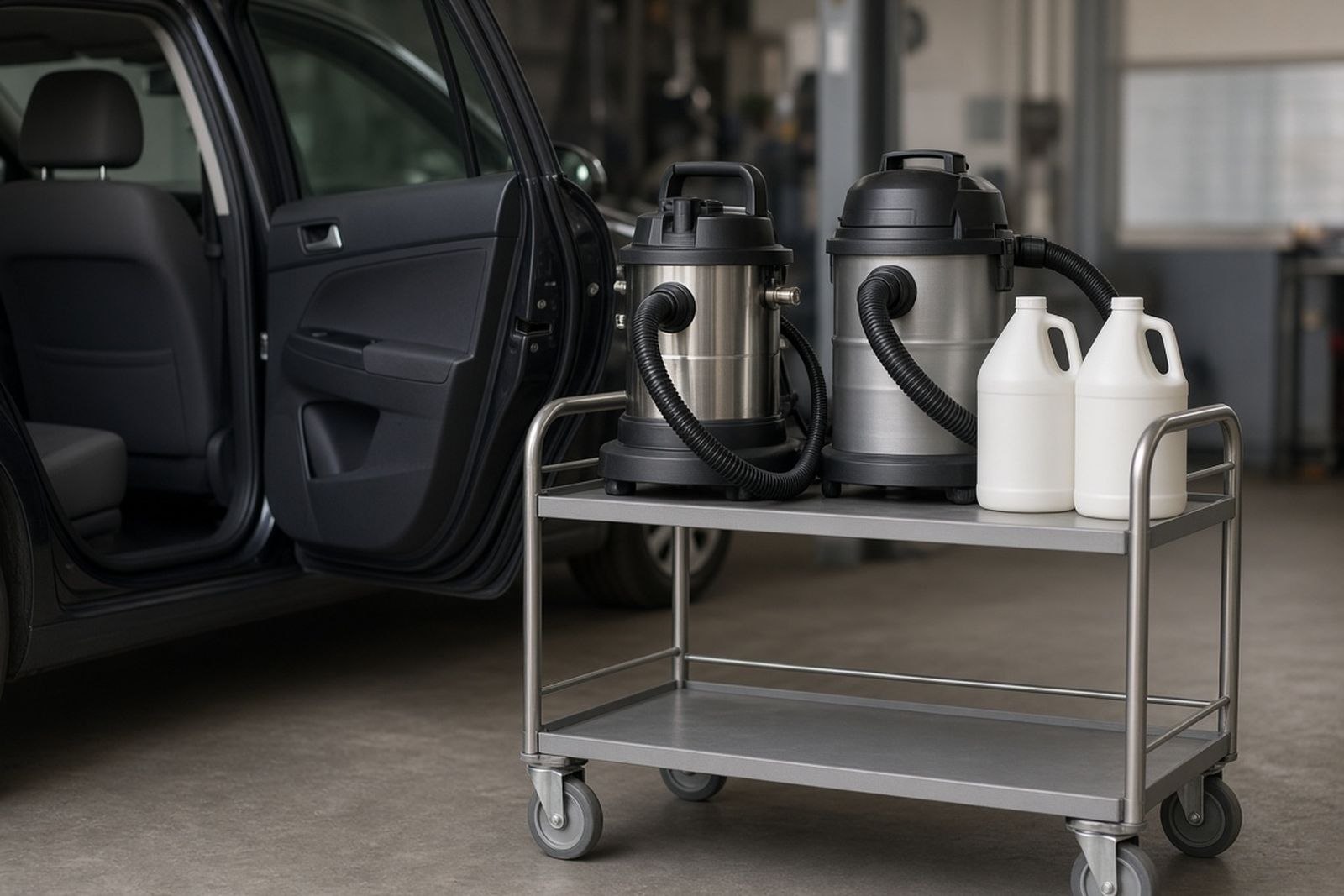
Costs explained
What drives the price, published cost ranges, and how to read a written quote line by line.
Insurance and payment
Which policies may respond, how to document a claim, and what to do if coverage is denied.
Planning tools
Estimate the job for your vehicle, check a provider, organize an auto claim, and plan the first day. Sort removed materials and see whether you should touch the cabin.
Community polls
See how other owners, rideshare drivers, and fleet managers handled soiled vehicles. Views range from first reactions to total-loss offers and what to tell buyers.
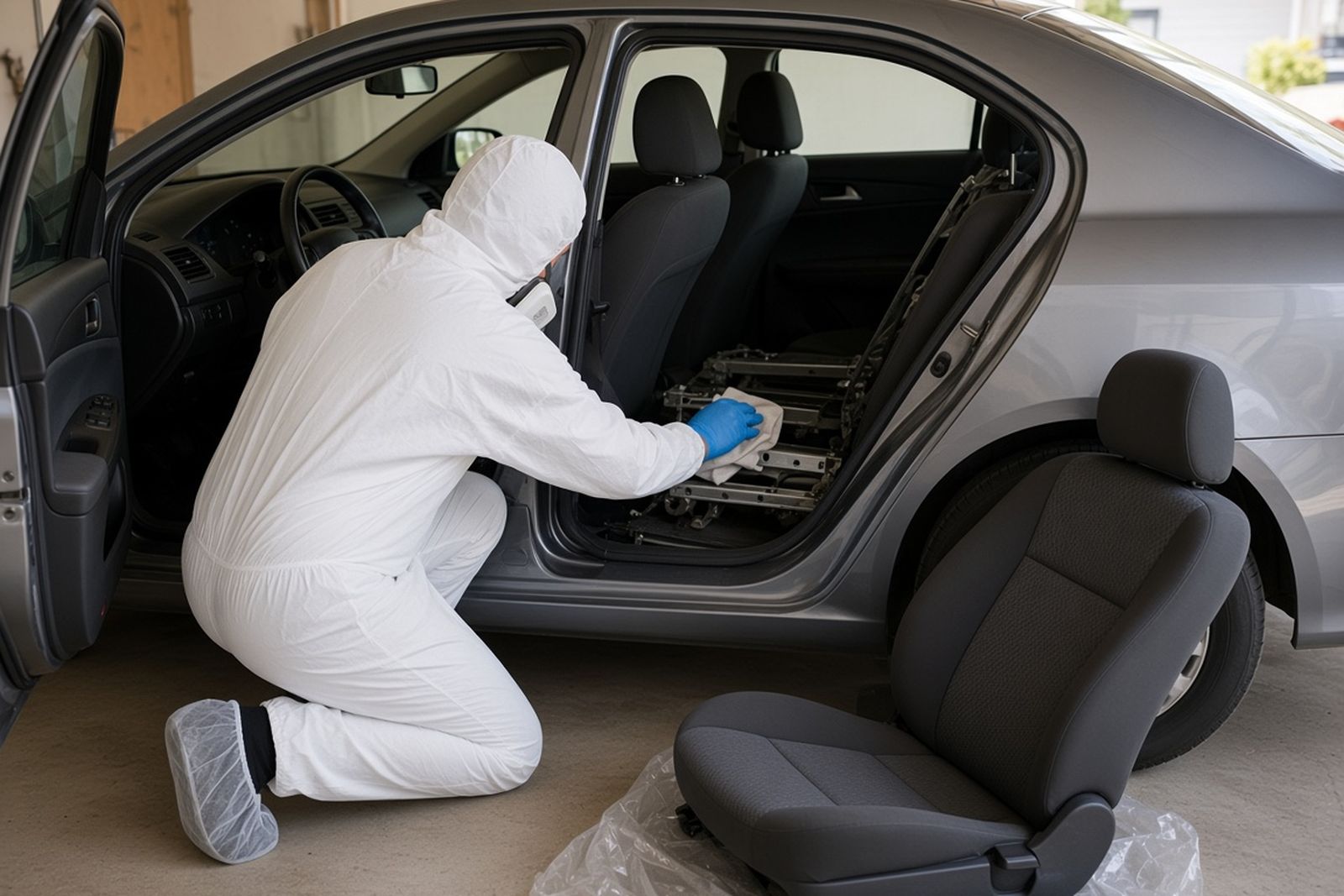
Knowledge quiz
Test what you know about soaked foam, seat belts and airbags, the car's air paths, regulated waste, and when an insurer may total the vehicle.