Vehicular Biohazard Cleanup community polls
See how other people handled the same decisions, then add your own answer.
Biohazard problems in vehicles are rare enough that most people have never faced one. But they are common enough that many people will someday. A passenger gets sick in a rideshare. A crash causes injuries. A family member is found in a parked car. A fleet van has a medical emergency. A boat cabin hides a problem through a long season. There is little shared wisdom about what comes next. The polls on this page collect the views and experiences of readers who have been through it, or who are thinking ahead. You can see how others chose to clean or total a vehicle. You can see how they dealt with a rideshare app's process, or what they told a buyer. That gives you a wider view than your own single case.
Get an email reply about vehicular biohazard cleanup
Send a short message to the follow-up inbox. A coordinator can reply by email. This form does not send emergency help; call 911 first if anyone is in danger.
Vote on the questions that matter here
Every count is a real visitor vote; nothing is seeded or padded. One vote per poll per device, and you can change your answer.
If a passenger became ill in your car, what would you most likely do first?
Would you keep driving a vehicle where blood reached the seat foam if it looked clean afterward?
Which cost would you find hardest to accept after a vehicle incident?
As a rideshare or delivery driver, how sure are you which insurance covers a passenger incident?
When selling a vehicle that had a professional biohazard cleanup, what would you tell the buyer?
For a fleet or company vehicle, who should decide when a soiled vehicle goes back into use?
Why opinions matter in vehicular biohazard cleanup
These choices are unusual because a vehicle is both something you own and a machine other people will sit in. You have to weigh the cost of a proper cleanup against what the vehicle is worth. You have to decide whether to file a claim and risk a higher premium. You have to choose whether to trust a detail shop that says it can handle it. And you may wonder whether you or your children will ever feel at ease in that seat again. Fleet managers face those questions across many vehicles. They must write a policy a driver can follow at midnight. Rideshare drivers lose income for every day the car is off the road. The polls bring out those trade-offs, so you can see which ones others found hardest.
Read the results with care. A poll tells you what a group of website visitors chose from four options. It does not tell you the right answer for your vehicle, your policy, or your state. People with dramatic stories may answer more often than people whose problem ended quietly. If a poll shows that most readers skipped a step the guides suggest, treat that as a warning about a common shortcut. It is not permission to take it. Sometimes a poll result and a checked provider who has inspected your vehicle disagree. Then the provider who has seen the foam and the metal floor should carry more weight than the crowd.
How to read poll results
A poll on this page is a quick, anonymous show of hands. Nobody checks that a person really owned a soiled vehicle or drove for a rideshare app. The results show whoever happened to visit and click. Early results can shift fast as more people answer. Use polls to see the range of experiences and to find questions you had not thought to ask. Do not treat a majority answer as advice. And do not quote a poll to an adjuster or a buyer as if it were proof about your case.
The sourced facts found elsewhere on this site come from government agencies, insurers' published research, and industry groups. Each one has a source you can check. Those numbers were collected on purpose, with a set method, and they describe a set group of people or cases. That is why they can support a decision. When a poll and a sourced fact point different ways, it is usually because they measure different things. A poll measures what readers say they did or believe. A sourced fact measures what a researcher counted. Both are useful if you keep them separate.
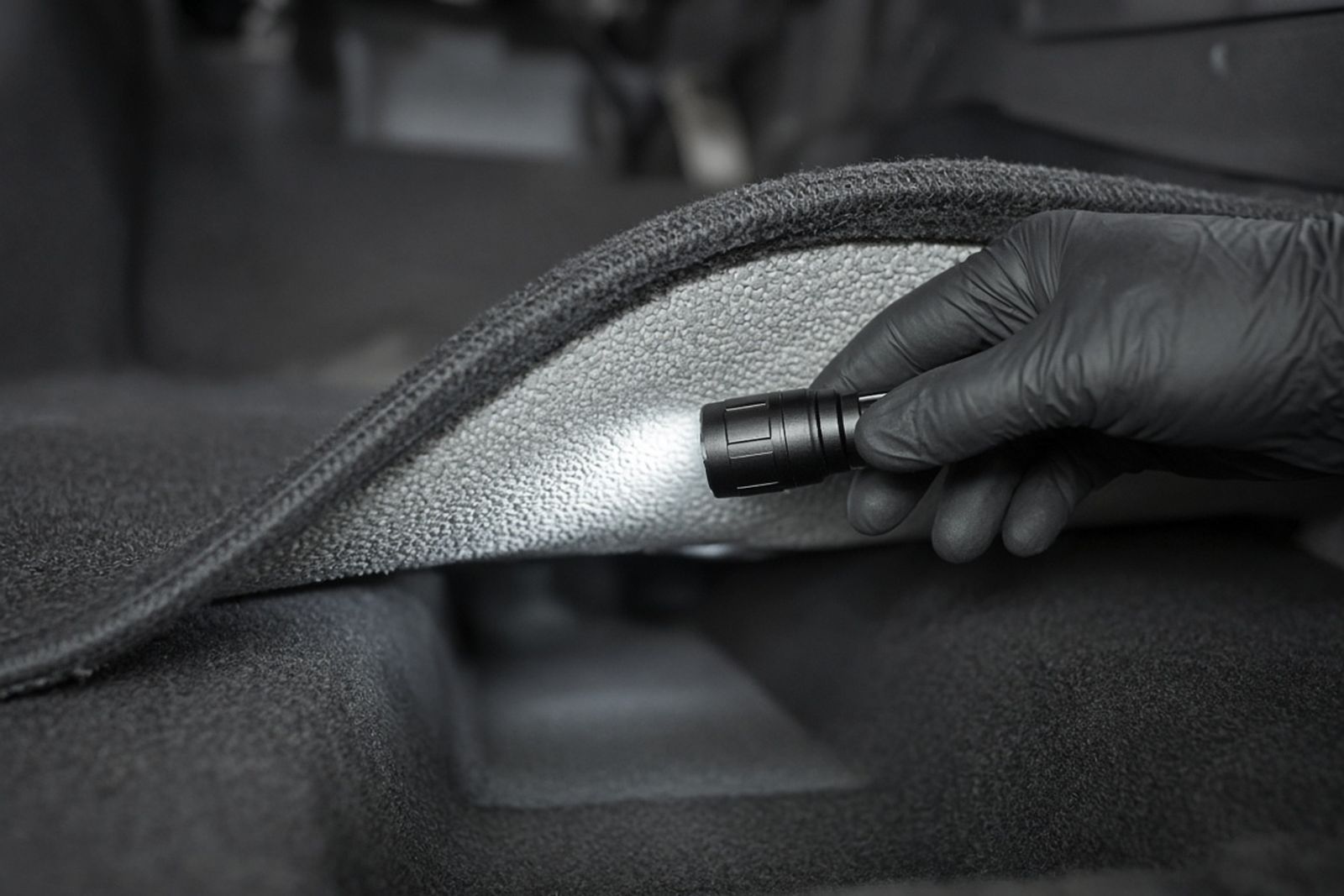
How voting works
One vote per poll per device; you can change your answer. Votes are stored as anonymous counts with a salted, hashed identifier and never linked to a name, email or form submission.
Opinion versus observation
Findings from published studies of people and properties in situations like this one. They describe what researchers observed in a specific group; they are not predictions for your case.
Cleaning effectiveness varied with surface geometry.
Coagulase-negative staphylococci were the most common isolates.
Sourced numbers next to the opinions
Polls show what visitors think. These figures come from published research and agency data, so you can compare perception with evidence.
- 1.19
The U.S. traffic fatality rate fell to 1.19 deaths per 100 million vehicle miles traveled in 2024, from 1.26 in 2023.
Read with care: Rate depends on FHWA mileage estimates that are revised periodically.
Source: NHTSA (2024)United States, 2024, VMT from FHWA
- 38.2%
Transportation incidents accounted for 1,937 worker deaths in 2024, 38.2% of all U.S. occupational fatalities.
Read with care: Includes aircraft, rail and water incidents, not just road vehicles.
Source: BLS (2024)United States, 2024, all workers
- 1,146
Roadway incidents involving motorized land vehicles killed 1,146 U.S. workers in 2024, the largest subcategory of transportation fatalities.
Read with care: Counts only work-related deaths, not all traffic fatalities.
Source: BLS (2024)United States, on-the-job roadway deaths, 2024
- $16,550
OSHA's maximum penalties are $16,550 per serious violation and $165,514 per willful or repeated violation.
Read with care: Amounts adjust annually for inflation.
Source: OSHA (2024)United States federal OSHA, 2024 inflation-adjusted amounts
These figures are public research and agency data, not this network's own job records. Keep each number with its population, year and limits; none of them predicts cost, timing or outcome at a specific property.
Questions about vehicular biohazard cleanup polls
Do fleet managers and rideshare drivers answer the same polls as private owners?
Yes. The polls do not ask who you are. So a fleet safety manager, a rideshare driver, and a private owner all answer the same questions without names. That means results mix views from people with very different stakes. Some questions are worded so you can answer from your own role. The guides cover fleet and rideshare cases separately when the advice is different.
Can I use a poll to decide whether to file an insurance claim?
It can show you how others weighed a deductible, a possible rate increase, and the cost of paying out of pocket. But it cannot tell you what your policy covers or what your insurer will do. Read your policy's summary page, ask your insurer direct questions, and think about what the vehicle is worth. The claim organizer tool walks through those steps without predicting an outcome.
Why do some answers seem to contradict the guides?
Because the guides describe careful practice, and polls describe what people really did under stress, money pressure, or time pressure. If many readers say they used a detail shop or cleaned a seat themselves, that shows a common choice, not a safe one. The gap between what people do and what professionals suggest is one of the more useful things the polls show.
Do poll results change?
All the time. Each new answer updates the totals, so the split you see today may look different next month. A question with few answers can swing on a handful of clicks. When a result matters to you, come back after it has gathered more answers. Pay more attention to the general trend than to the exact numbers.
Are the options written to steer people toward a preferred answer?
They are written to avoid that. Every question offers a balanced set of choices, including the shortcuts people really take. So nobody has to pick an answer just to look good. If you think a question is slanted or an option is missing, use the site contact page to tell us. Honest results depend on options that let people answer truthfully.
Should I answer if my vehicle situation is not resolved yet?
Yes, for the questions about first reactions, what you expect, and what you plan to do. Questions about outcomes are better answered once you know. Examples are whether the insurer totaled the vehicle or whether the odor stayed gone. Your answer helps the next reader, who may be sitting in a parking lot wondering what to do. That is reason enough to take a moment.
Can I see results broken down by vehicle type?
Not right now. The polls do not collect vehicle type, so results for cars, fleet vans, RVs, and boats are combined. A few questions are written about one type of vehicle, so those answers are naturally focused. For advice that fits an RV's plumbing and small air system, or a boat's closed cabin, the guides cover those differences in more detail.
More on vehicular biohazard cleanup
Vehicular Biohazard Cleanup services
Learn what cleanup of a car, van, RV, or boat involves after blood, illness, or death. It covers checking foam and belts, the air system, and waste.
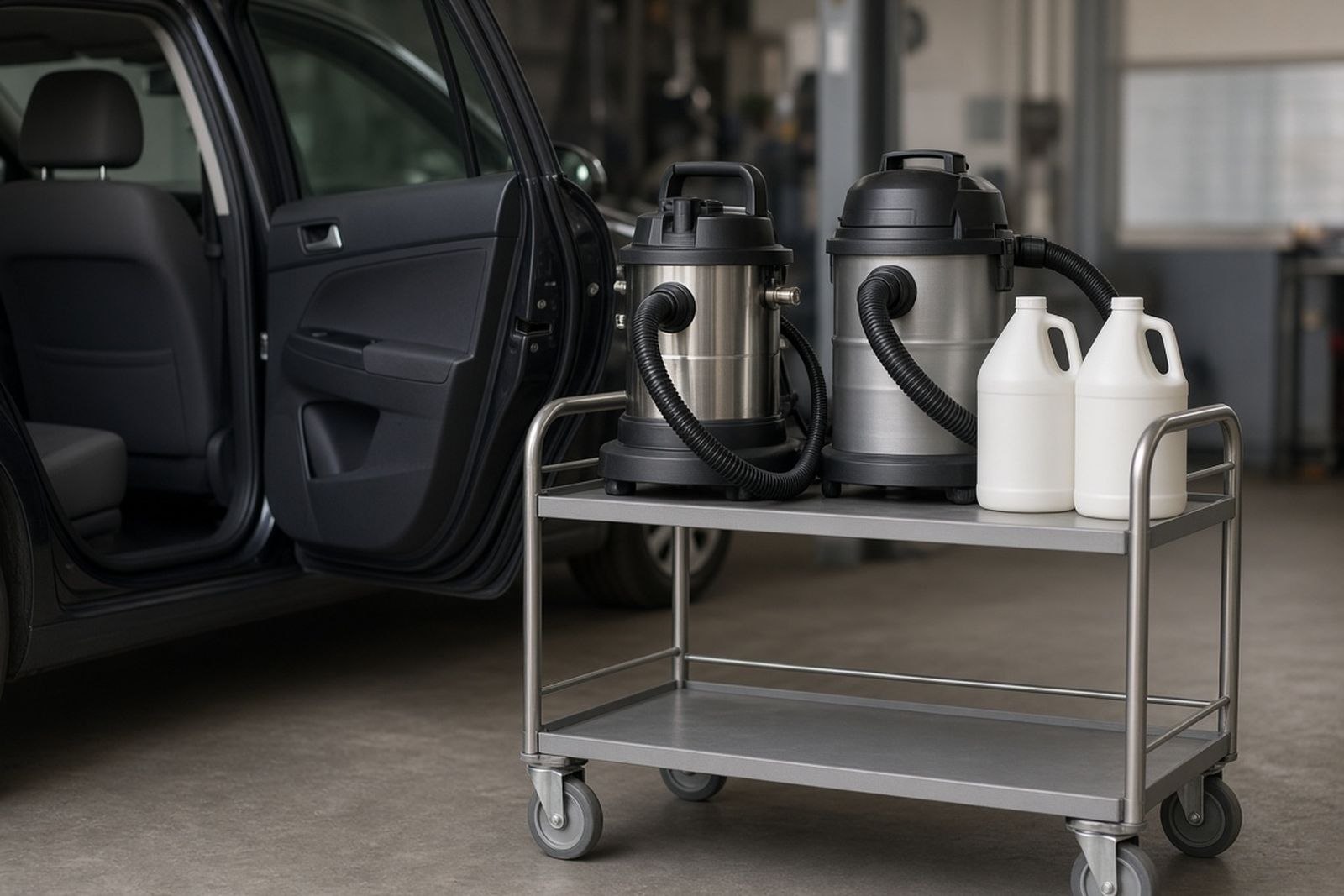
Costs explained
What drives the price, published cost ranges, and how to read a written quote line by line.
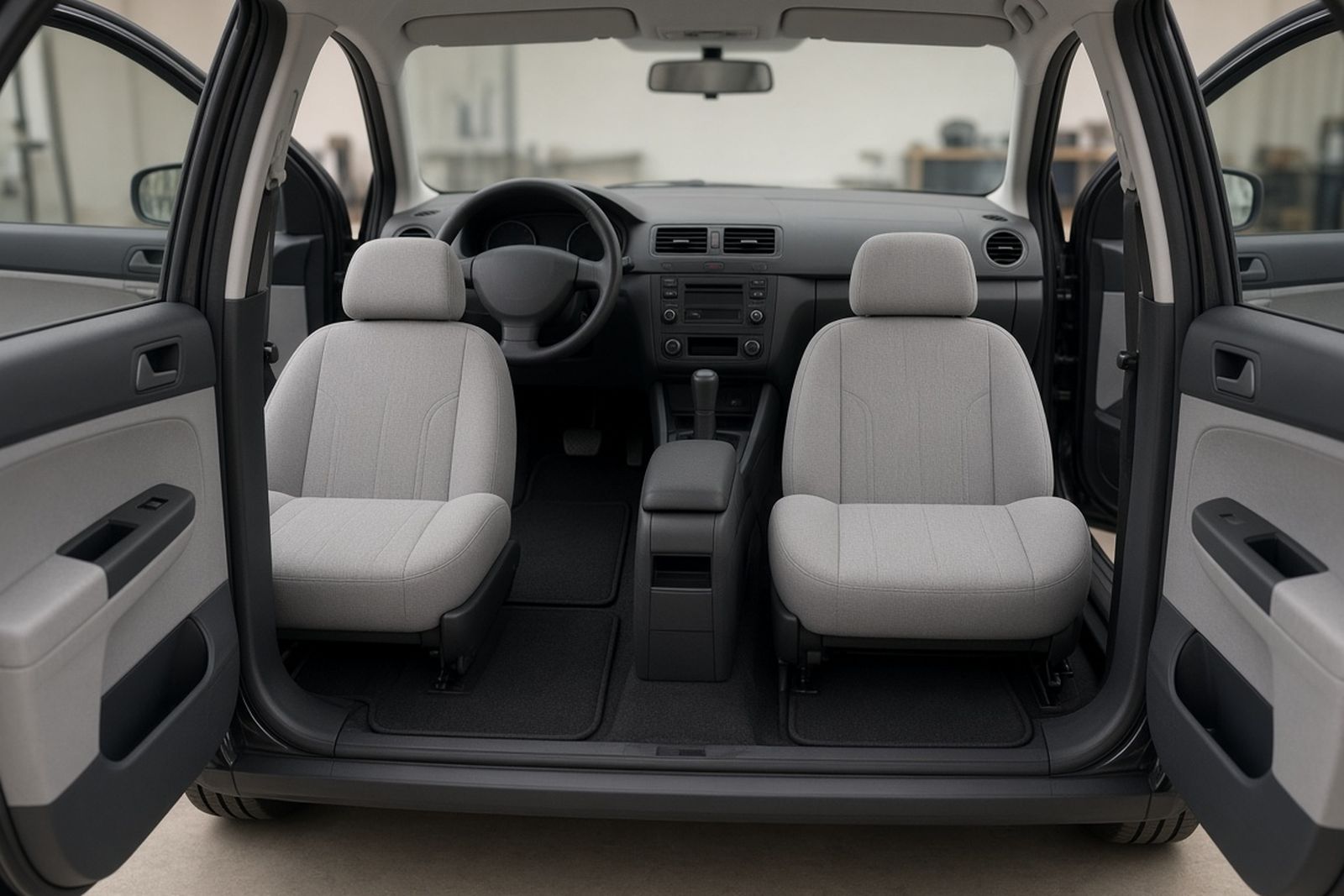
Insurance and payment
Which policies may respond, how to document a claim, and what to do if coverage is denied.
Planning tools
Estimate the job for your vehicle, check a provider, organize an auto claim, and plan the first day. Sort removed materials and see whether you should touch the cabin.
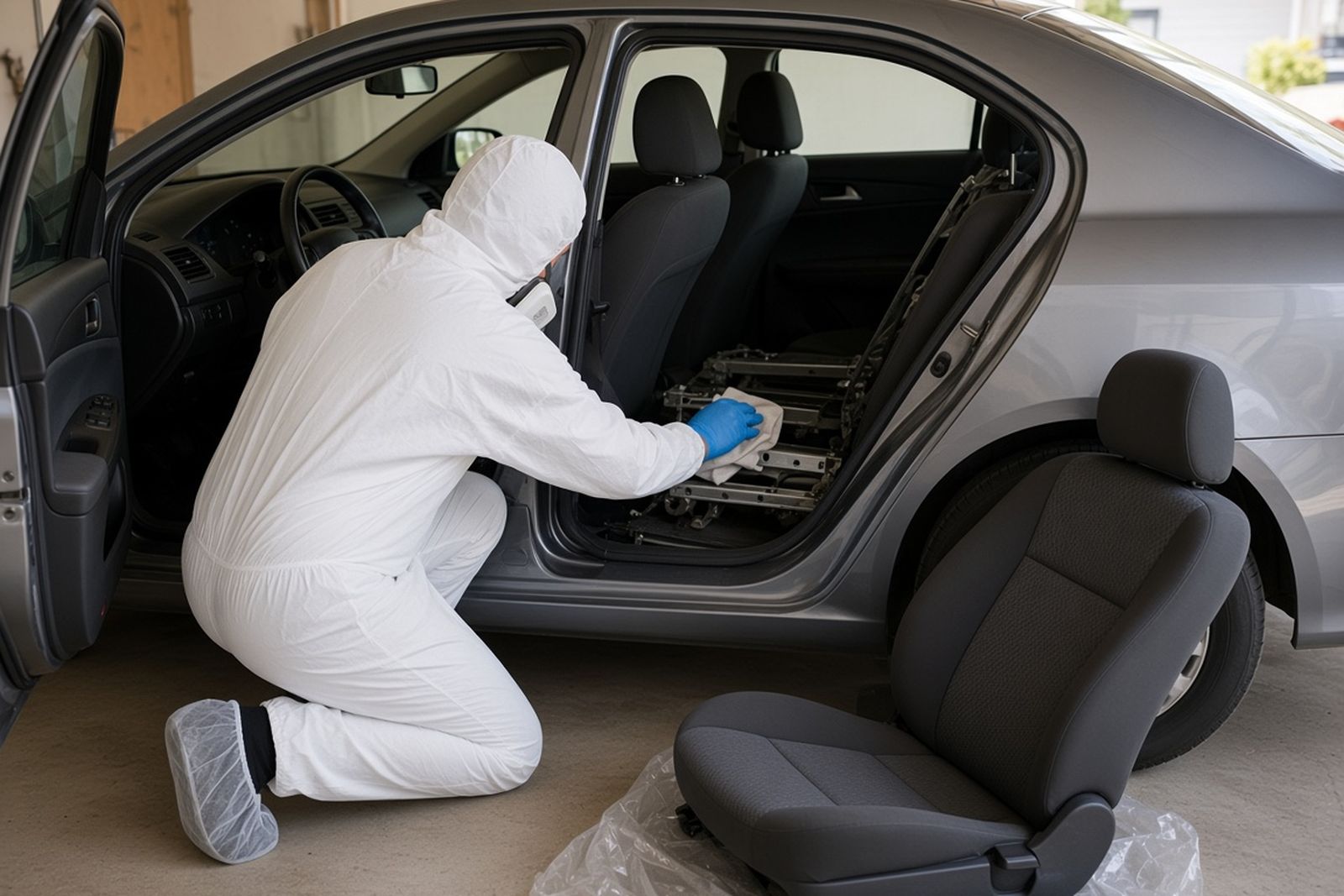
Knowledge quiz
Test what you know about soaked foam, seat belts and airbags, the car's air paths, regulated waste, and when an insurer may total the vehicle.
Articles and resources
Plain reads on rideshare cases, fleet steps, RV and boat cabins, and how heat speeds decay. Learn how to talk with an adjuster about your car or truck.